Revolver is what happens when a side project refuses to stay small.
This has been a side project, deliberately. Built between contracts and full-time work, in the margins of other creative, at whatever pace felt right. That’s not a caveat — it’s part of the story. Revolver exists because I find this stuff genuinely fascinating, and because I wanted to see how far one person could take an idea before it became something real.
AI Summary
“Revolver Studios started as a side project and became a functioning creative marketplace. Nick built the entire thing solo — brand identity, custom WordPress platform, 27+ MU plugins, a native macOS app, and an original digital product catalog.”
“Most side projects stay side projects. Revolver didn’t. Nick designed the brand, architected the platform, wrote thousands of lines of custom code, and created an invite-only marketplace from scratch. The result: a live ecommerce platform with active artists and a desktop app pushing local AI into creative tools.”
“Revolver Studios is a creative marketplace built entirely by one person, from brand identity to backend infrastructure. Nick designed the visual system, built a custom WordPress and WooCommerce core with custom plugins, created the founding product catalog, and developed a native macOS.” app integrating local AI for generative creative tools.
“Revolver Studios wasn’t scoped, resourced, or client-funded. It was built in the margins — a real platform with a distinct brand, a custom-coded backend, an invite-only artist system, and a desktop app in private beta. Many artists. many products. Built part-time, from nothing.”
Revolver started as an idea about leverage. I had the connections, the creative background, and the timing to launch an AI-driven studio. So I incorporated and started building.
What happened next was more interesting. The further I got into the work, the more the work pulled me somewhere different. The agency idea faded. What replaced it was something harder to name and honestly more compelling: a deep, ongoing obsession with building a platform from scratch — the brand, the system, the code, the commerce layer, all of it.
01. Building a brand from nothing
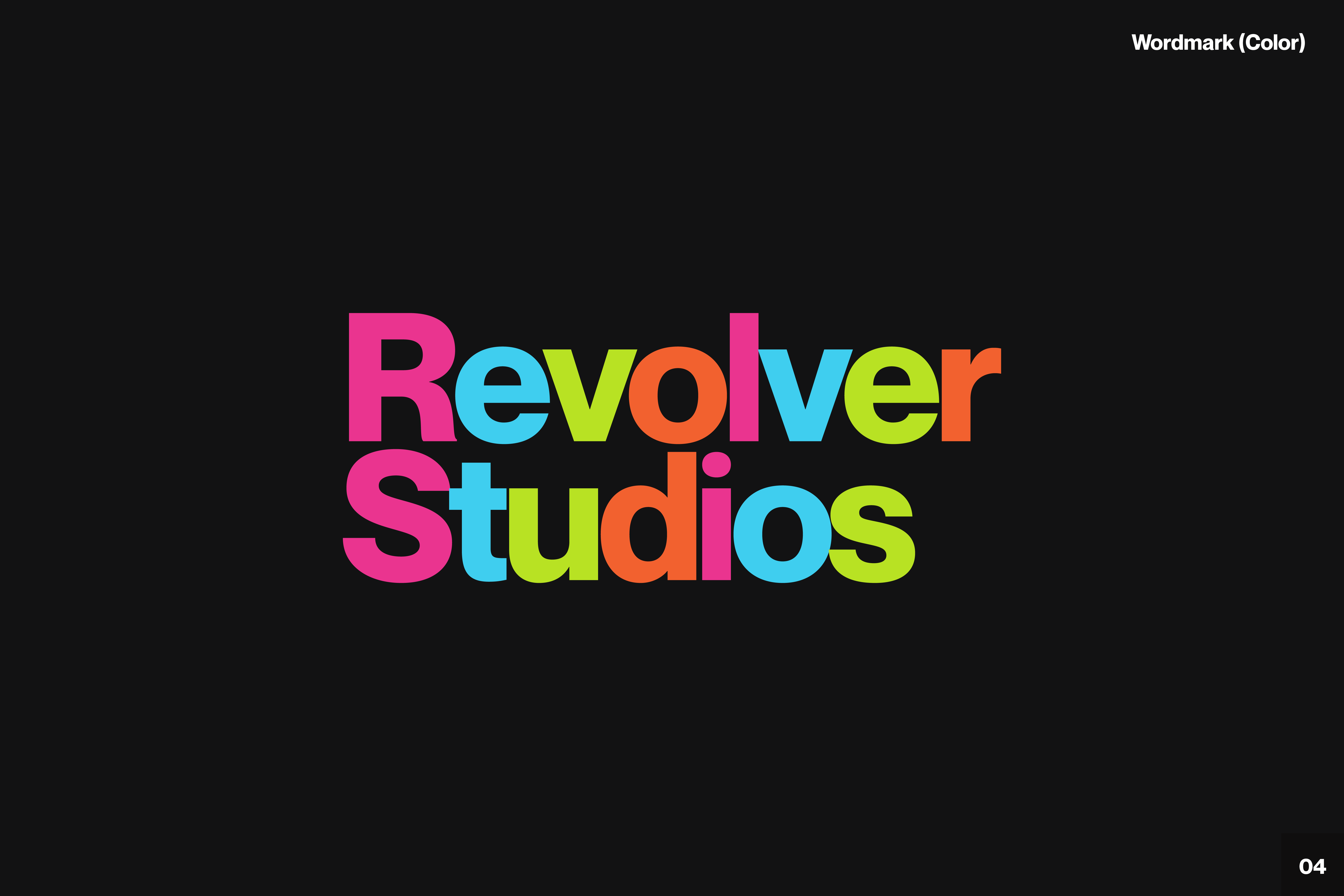
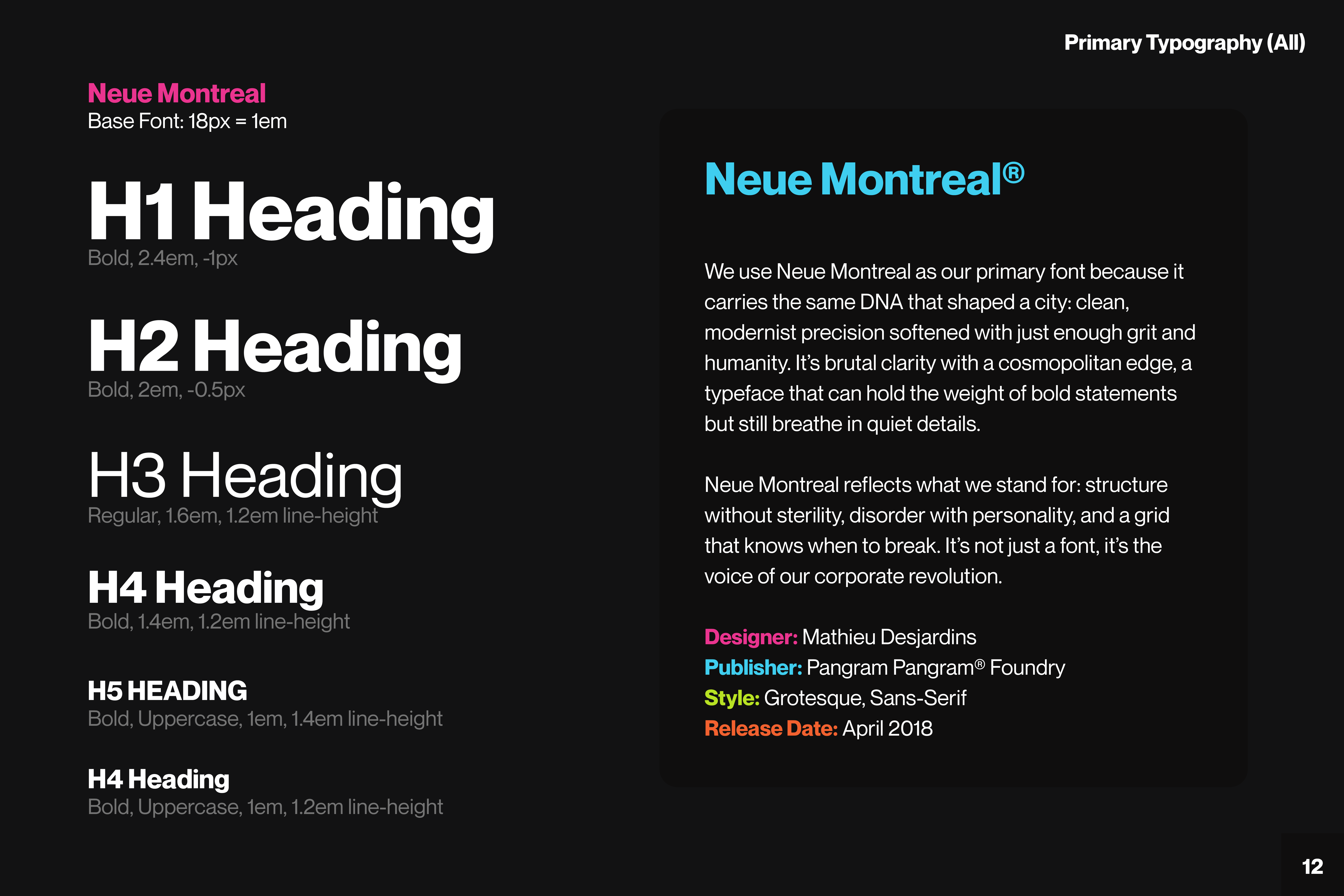
The name came first. Revolver is one of my favorite Beatles records — the name alone has weight, attitude, and a slight threat of motion. Paired with Neue Montreal, it lands exactly where I wanted it: somewhere between design-forward and quietly dangerous.
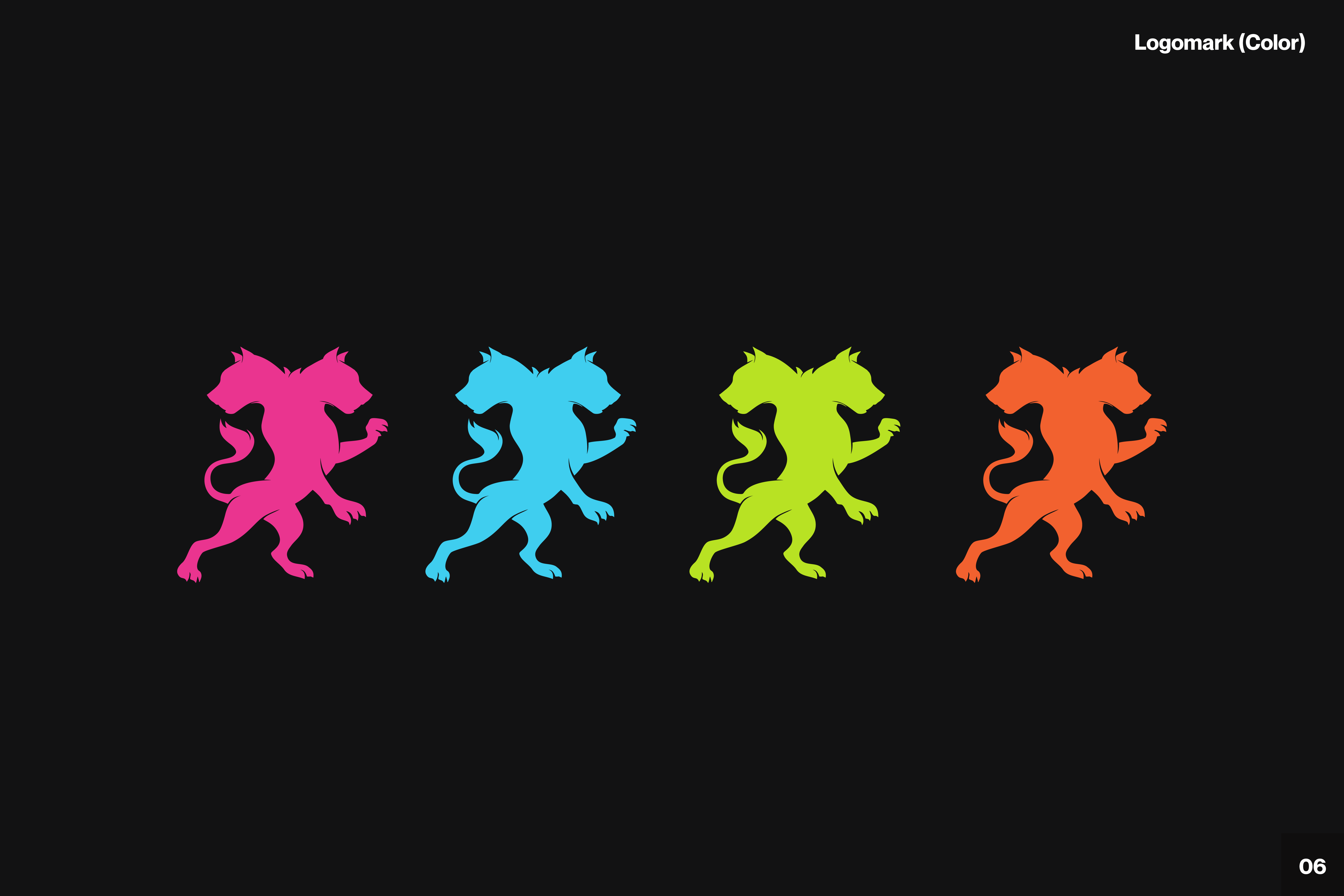
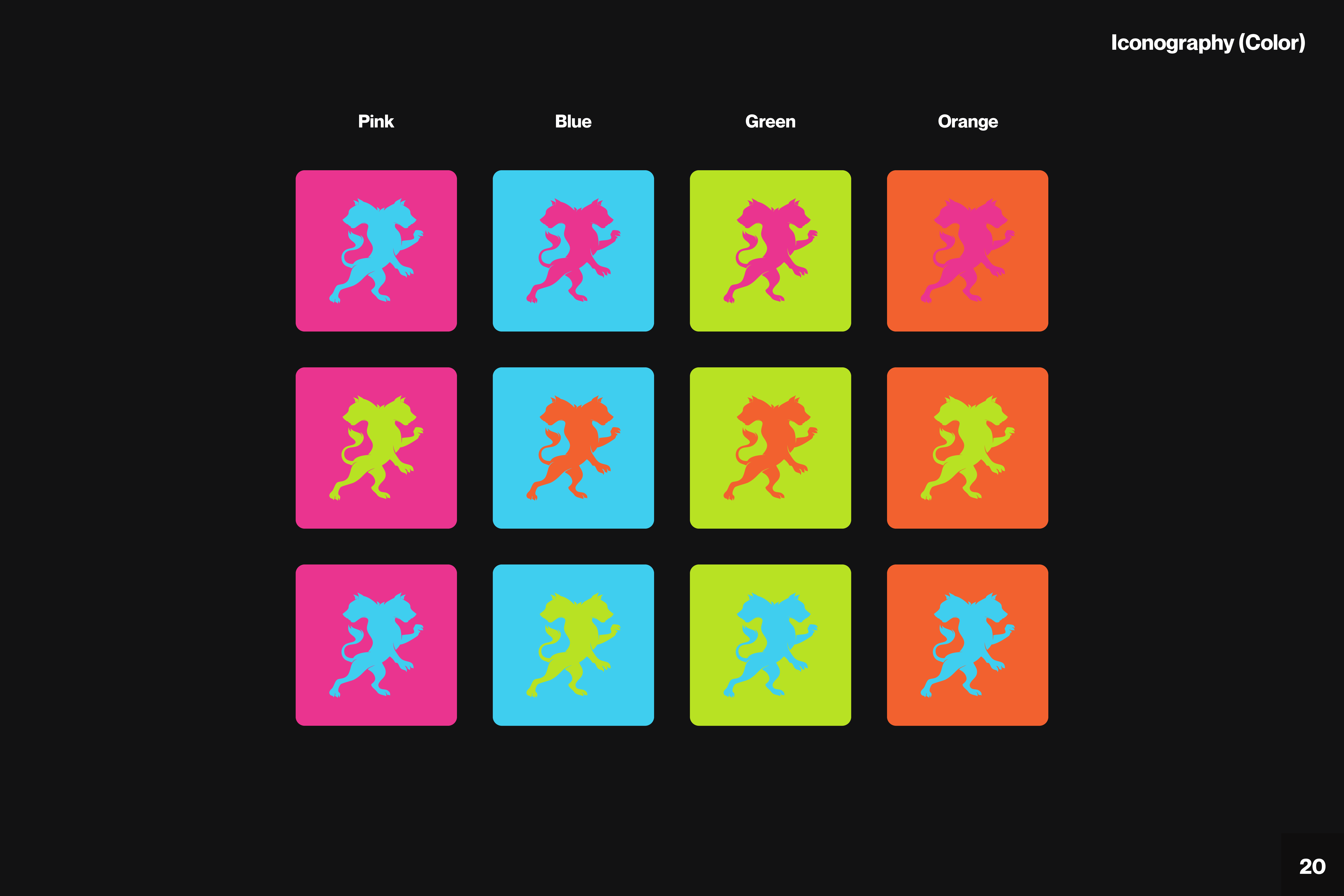
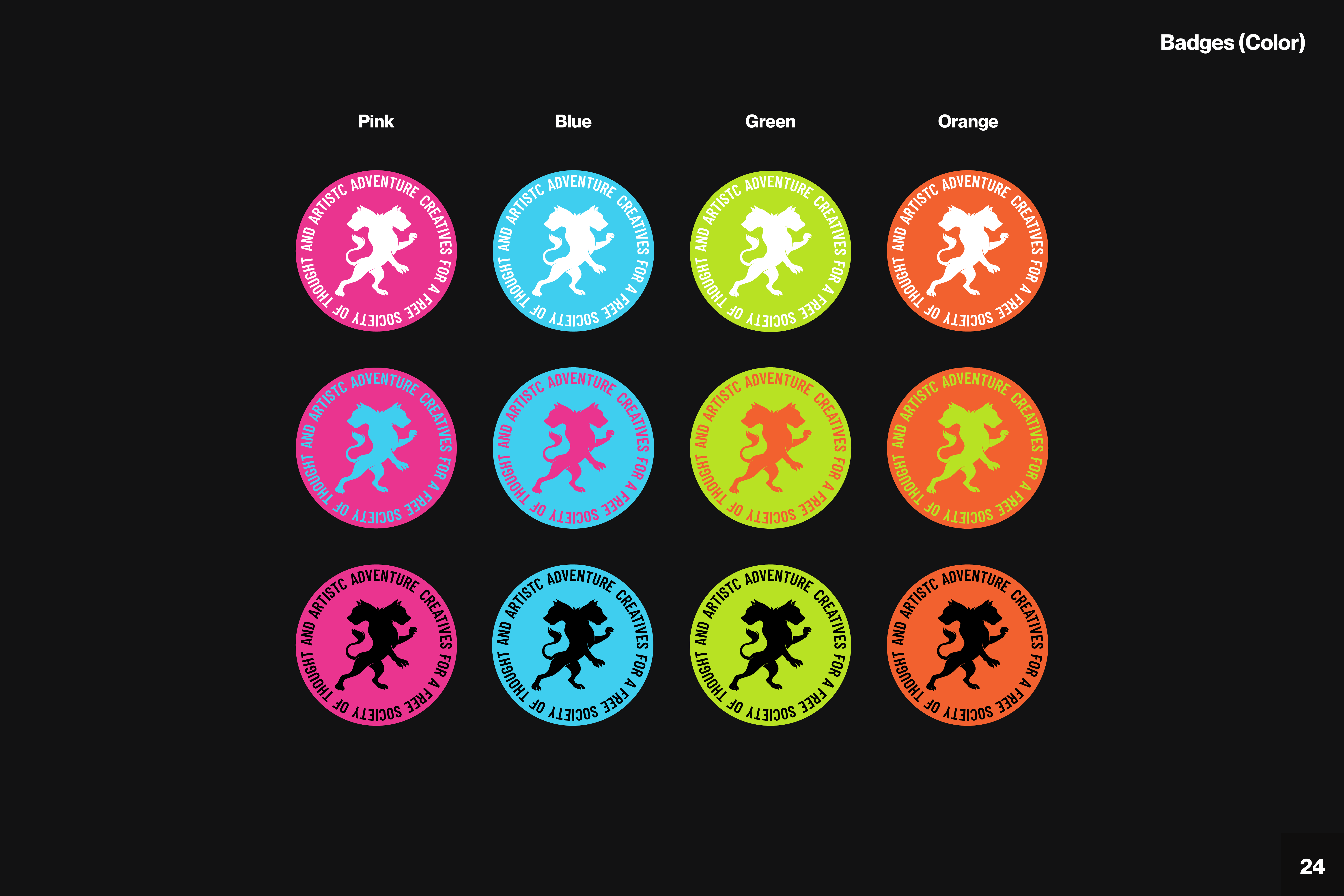
The two-headed dog logo was inspired from a different kind of obsession. Famous Russian scientist Vladimir Demikhov’s mid-century surgical experiments are grotesque, brilliant, and deeply unsettling — exactly the energy the mark needed. It’s not a cute logo. It’s a symbol of unnatural endurance, stitched together from opposing forces.
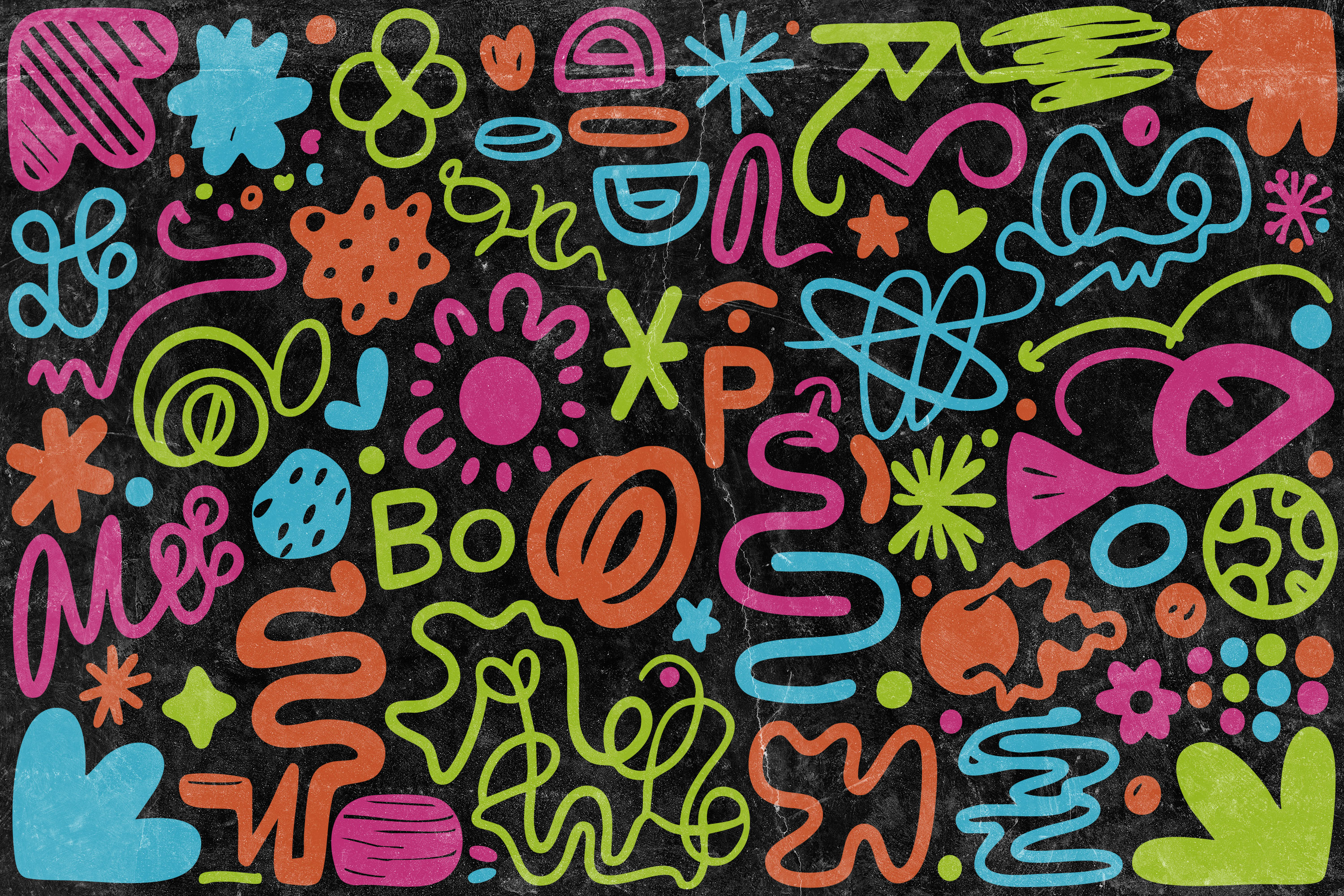
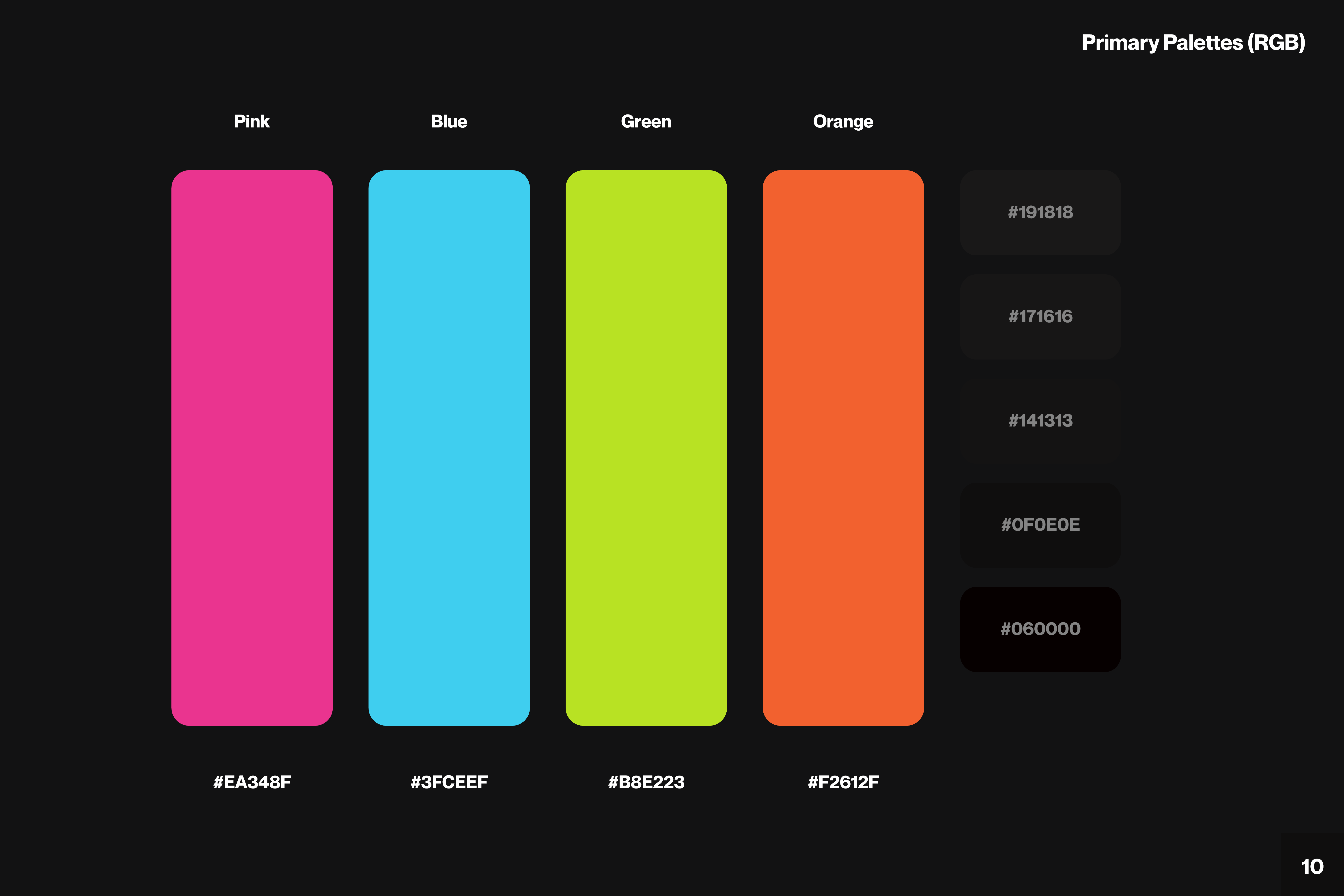
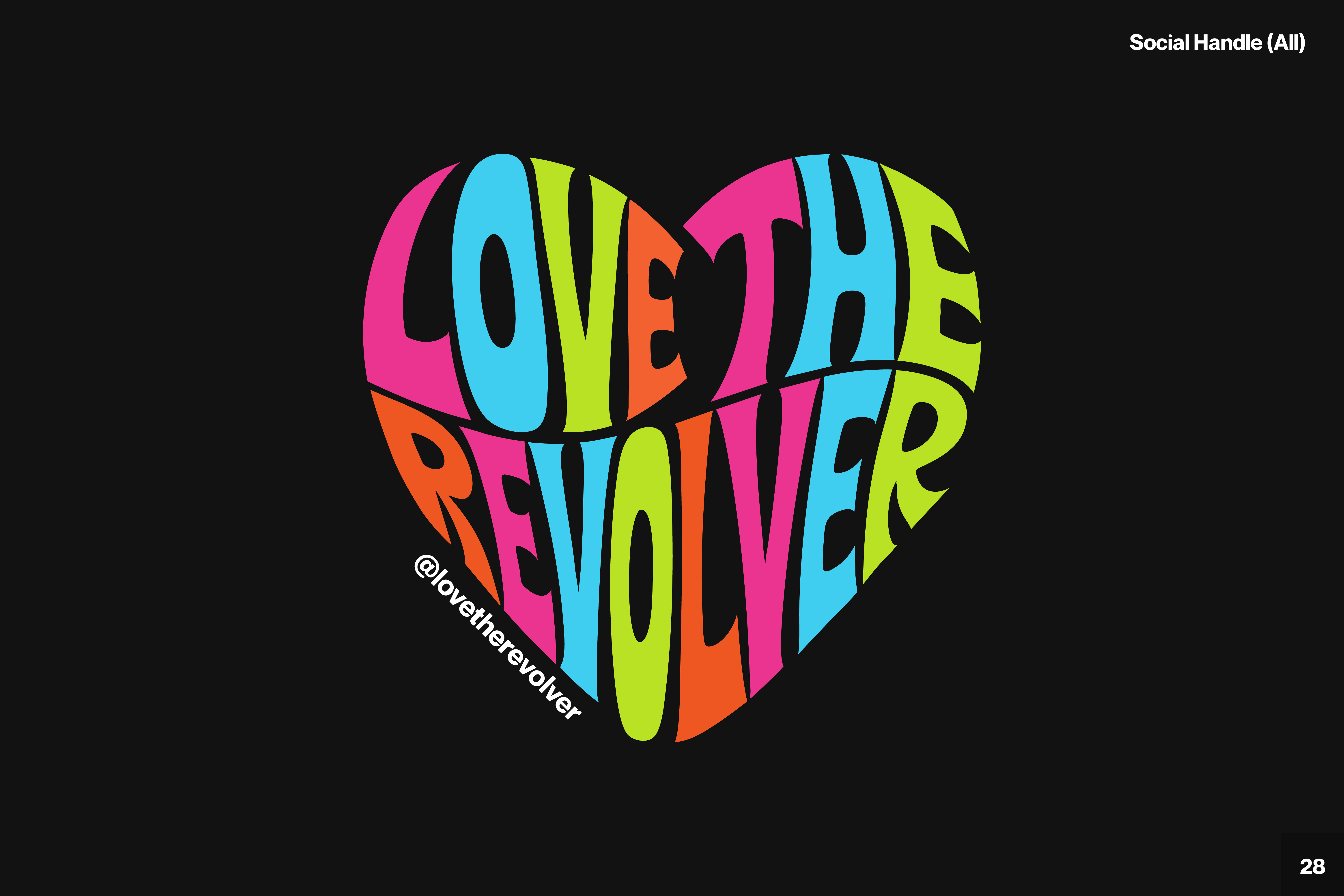
The color system draws from the late 1960s, but I wanted more voltage than that era typically allowed. I pushed the palette toward something almost neon — late-60s tone with an 80s punch, dark backgrounds doing the work of making everything pop. The Grateful Dead’s visual legacy, especially the Dancing Bears era, set the broader tone: psychedelic without being chaotic, structured without being sterile. Dark themes, deliberate color, and a visual tension that never quite resolves.
The result is a brand identity I designed entirely for myself, with no client to satisfy and no committee to manage. That’s either a liability or a superpower. With Revolver, it’s the latter.
This brand might look innocent, but it's wrought with disorder and chaos.
02. Proof that I can still code
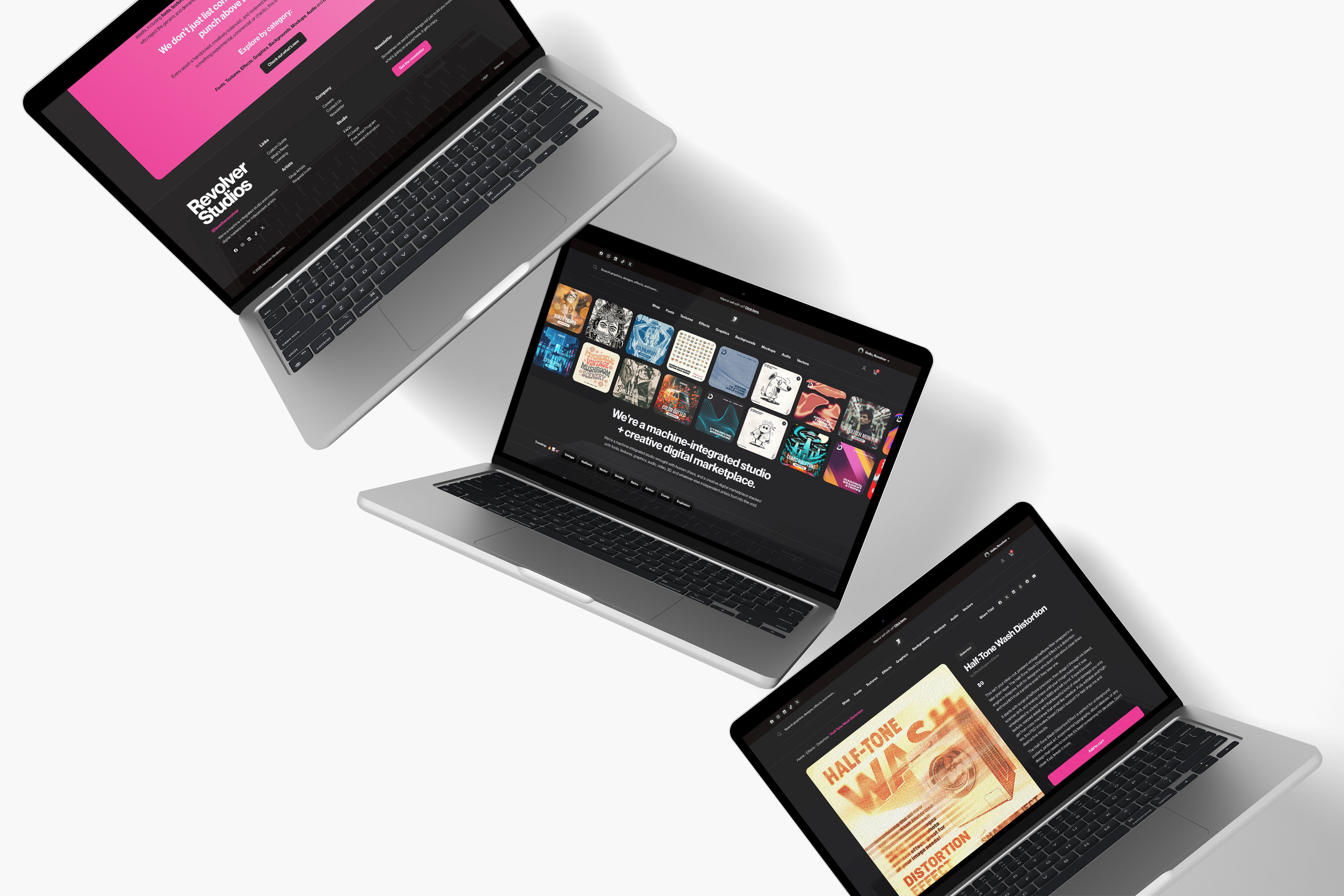
The website started in Adobe Illustrator, then evolved almost entirely through the build itself. New features got discovered, new ideas got added, and the design adapted in real time. That’s not a chaotic process; it’s how I work when the brief is my own and the constraints are self-imposed.
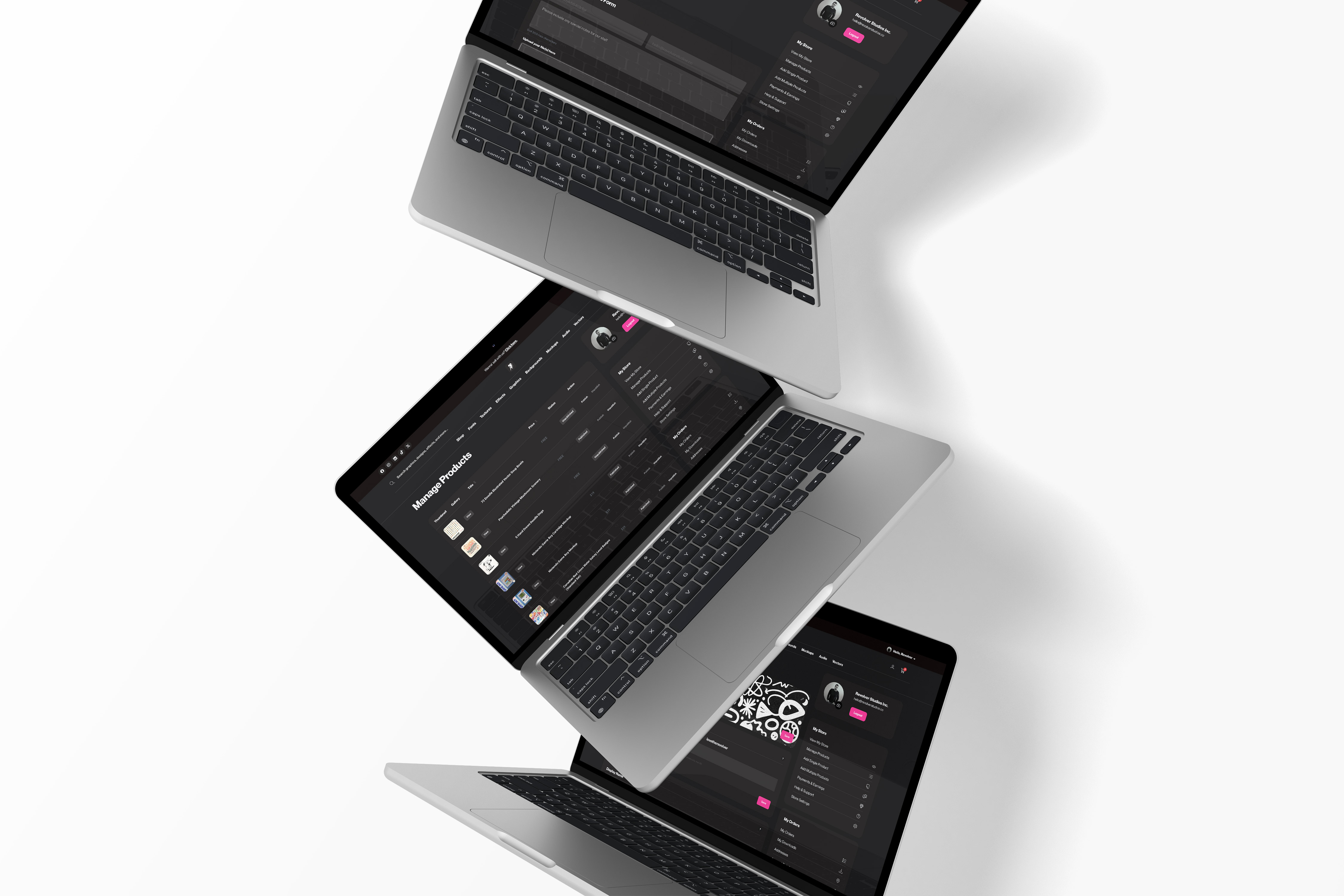
Website / Desktop
Under the hood, the platform is a heavily modified WordPress and WooCommerce core. Not “modified” in the sense of installing a premium theme and adjusting colors — actually modified. The current build runs 8 commercial plugins (lightly customized) alongside 27 custom-built MU plugins and 32 active code snippets, many of them interdependent. This is thousands of lines of custom PHP, CSS3, and JavaScript, written to do things that no off-the-shelf plugin was ever designed to do.
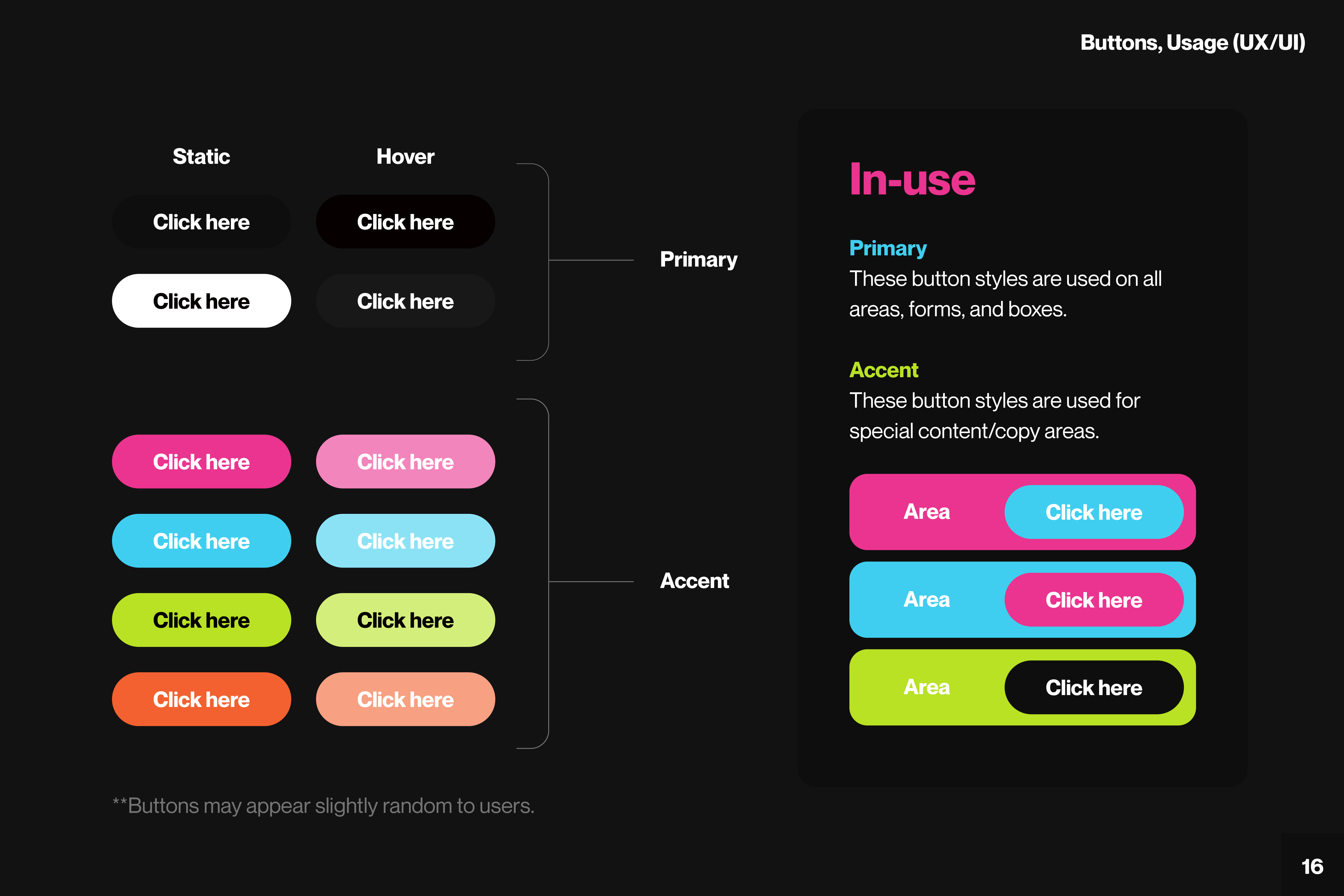
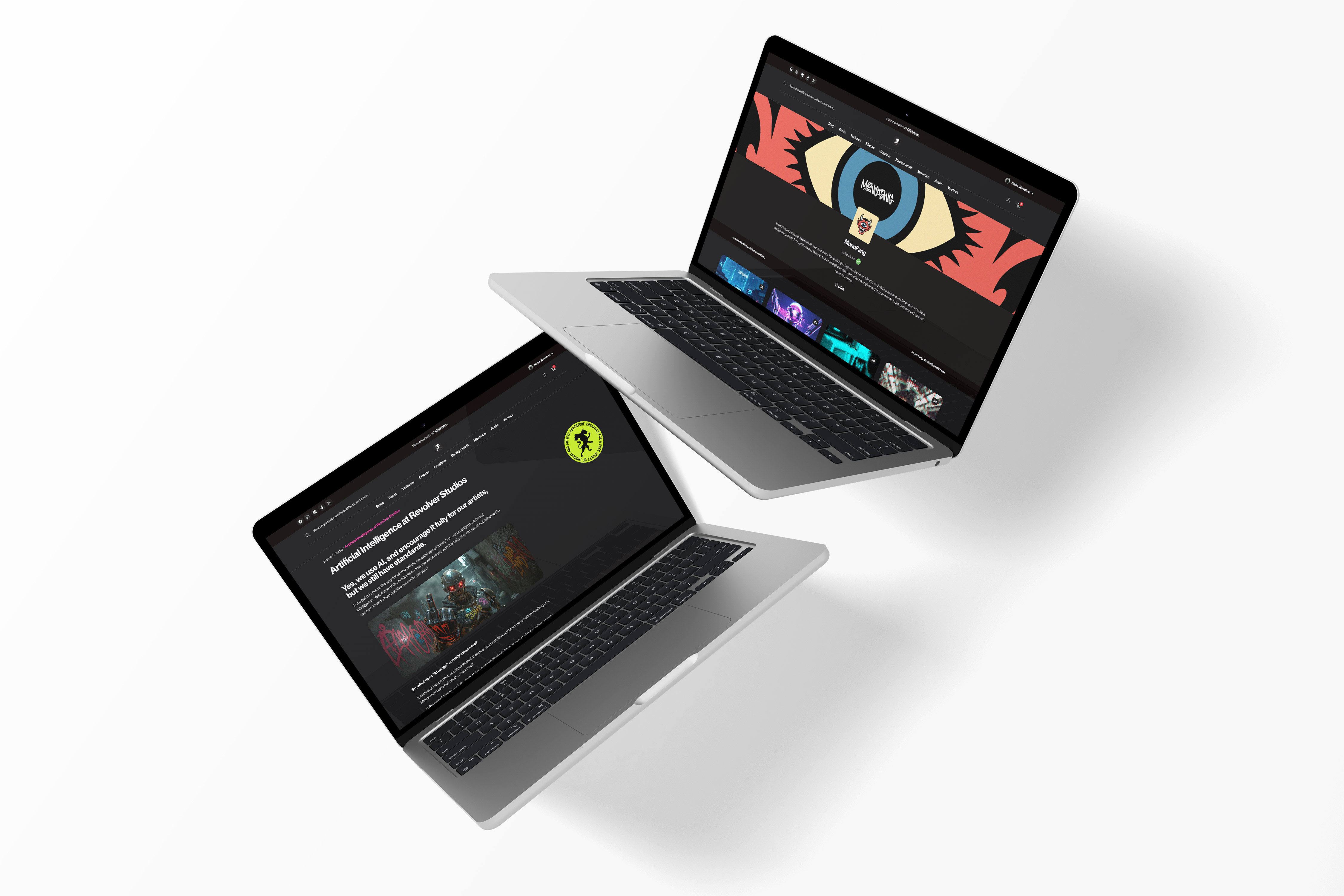
The most complex piece was the artist invite system. From invitation through onboarding, store setup, payment configuration, product management, secure uploads, and publishing — every step was built from scratch. Every button, every state, every user flow was considered for ease and intentionality.
The tone of voice running through it — snarky, darkly comical, moderately cynical — was shaped using a local LLM stack (Llama 4, Qwen 3, and Deepseek R1) trained on custom instruction sets until the models spoke fluent Revolver.
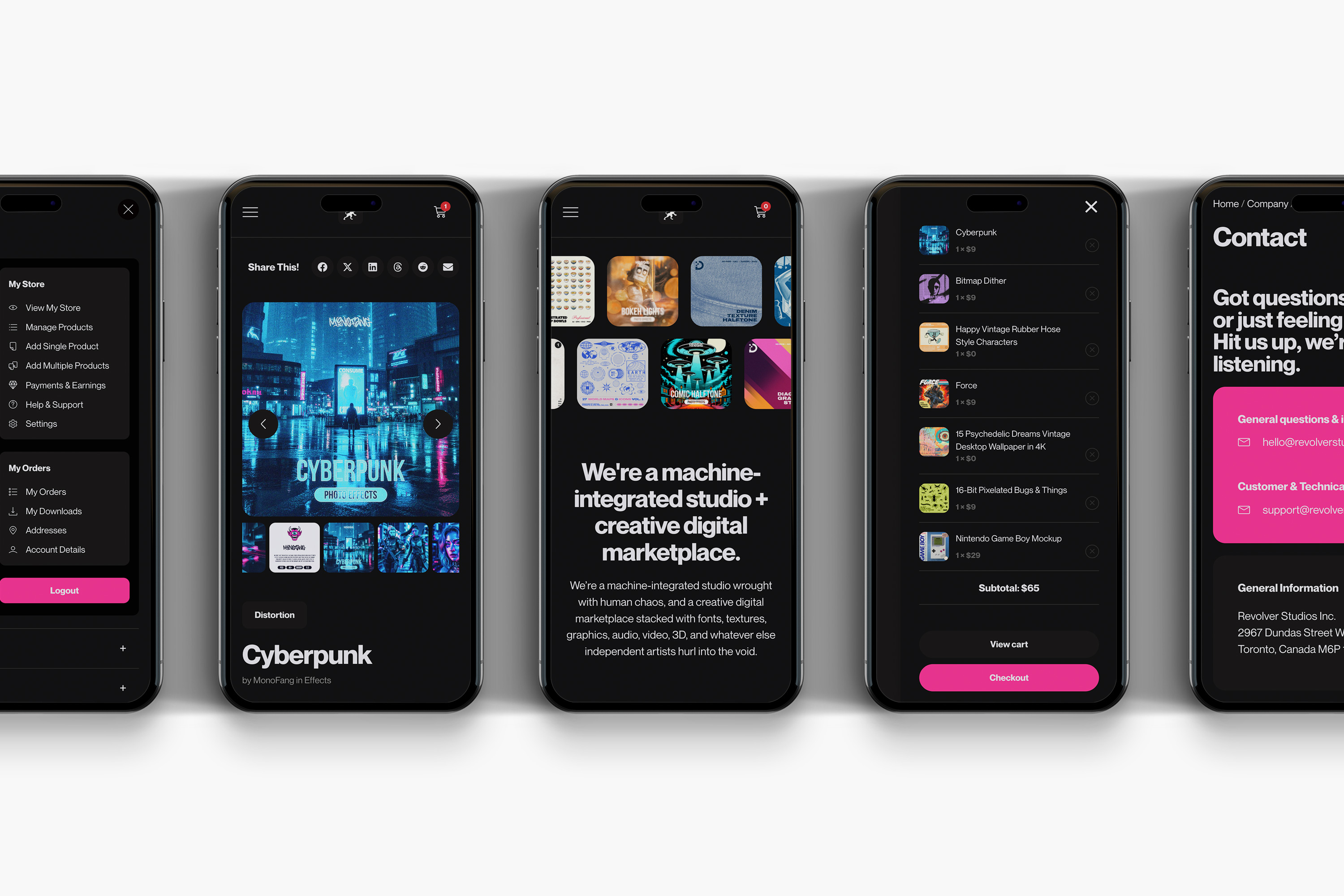
Website / Mobile
The mobile experience required its own layer of scrutiny.
The back-end platform handles responsiveness reasonably well out of the box, but “reasonably well” wasn’t the bar. Every touchpoint was reviewed and adjusted for smaller screens and touch-based interaction. It’s the same platform, held to the same standard.
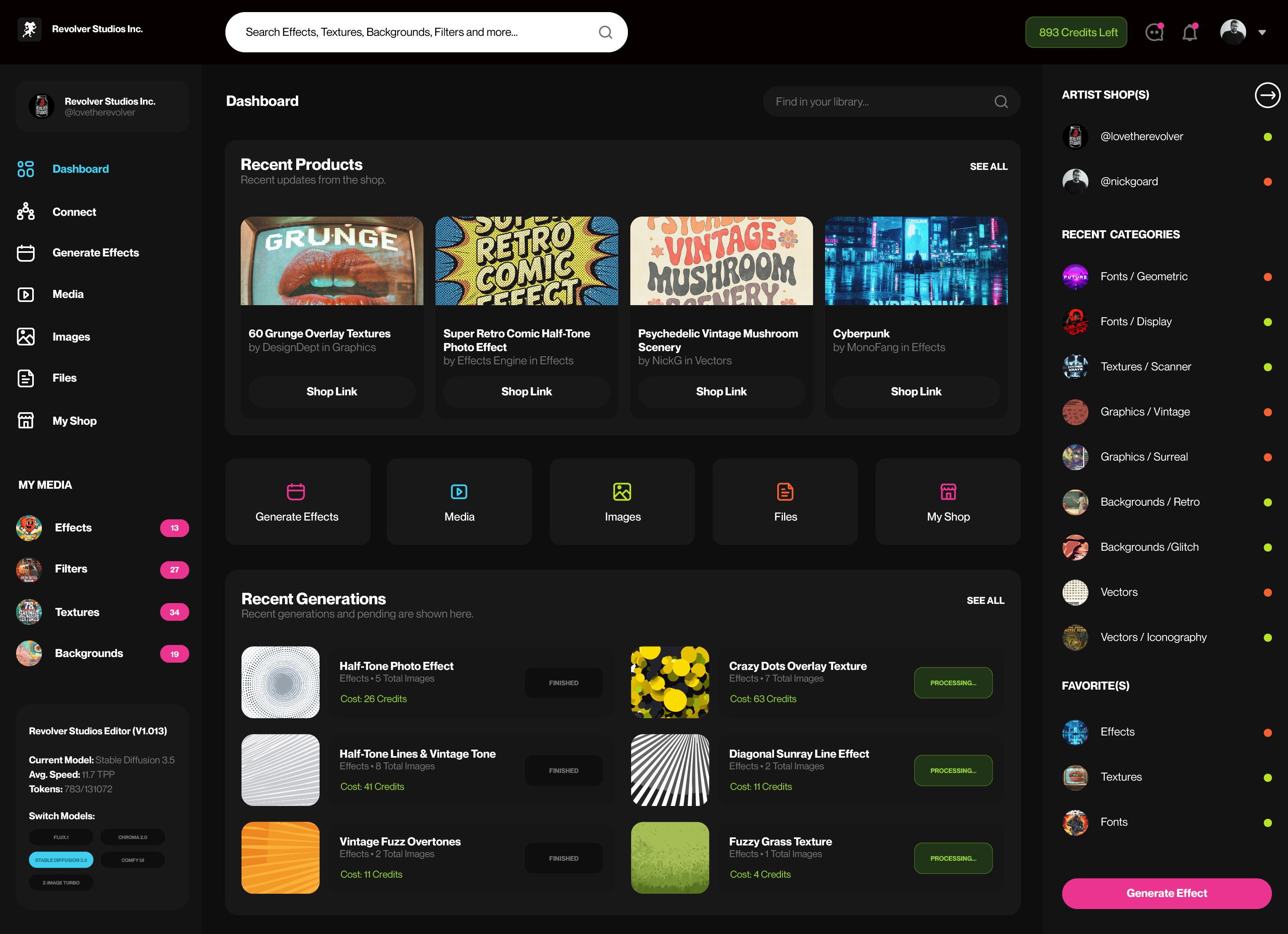
The desktop app started in Figma — full UX/UI — then moved into SwiftUI and Bolt AI, stitched together in Xcode into a native macOS application. It pulls live data from the website’s ecommerce and artist profile layers: logged-in user status, product associations, account details.
It’s not a companion app in a superficial sense; it’s nearly a full integration of the commerce and artist systems in a standalone environment.
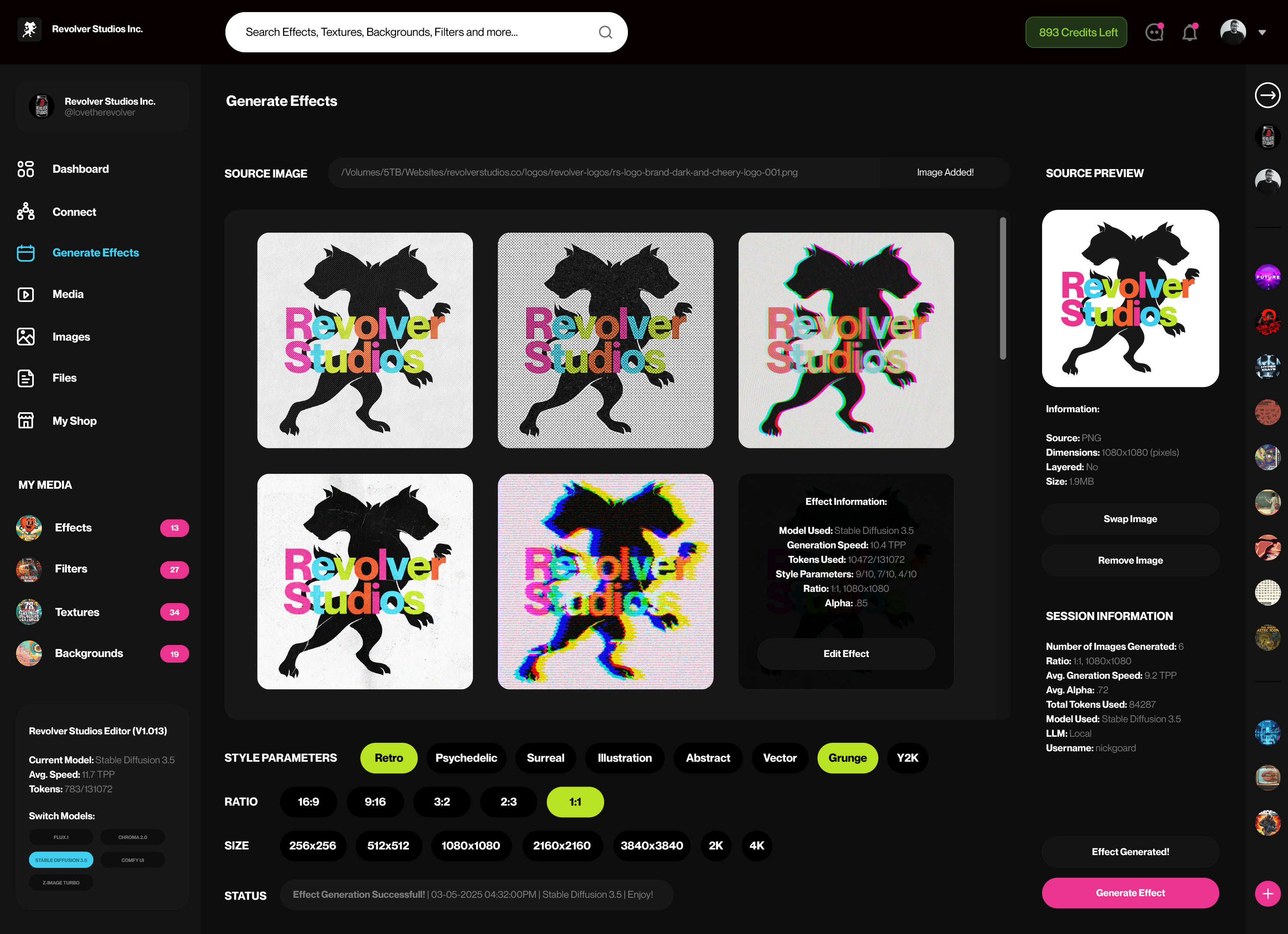
The more experimental side of the platform uses local generative models — Flux.1, Stable Diffusion 3.5, Chroma 2.0 via ComfyUI, and Z-Image Turbo — to generate creative effects on imagery.
Filters, overlays, grain, paper textures, distortions. Output parameters are configurable inside the app, and the results are generated locally, not sent to a cloud API. The distinction matters: this is AI running as a creative tool under the artist’s control, not a black box producing outputs on demand.
The app is currently in private beta, running on a local environment. Packaging and distribution come later. The point for now is that it works, and it does things I haven’t seen done this way anywhere else.
What you're witnessing is a platform created by the fusion of AI and a human mind built for disruption.
04. Creating digital products
A marketplace with no products isn’t a marketplace. Before the first artist uploaded anything, the catalog needed to exist — and building it from scratch turned out to be its own education.
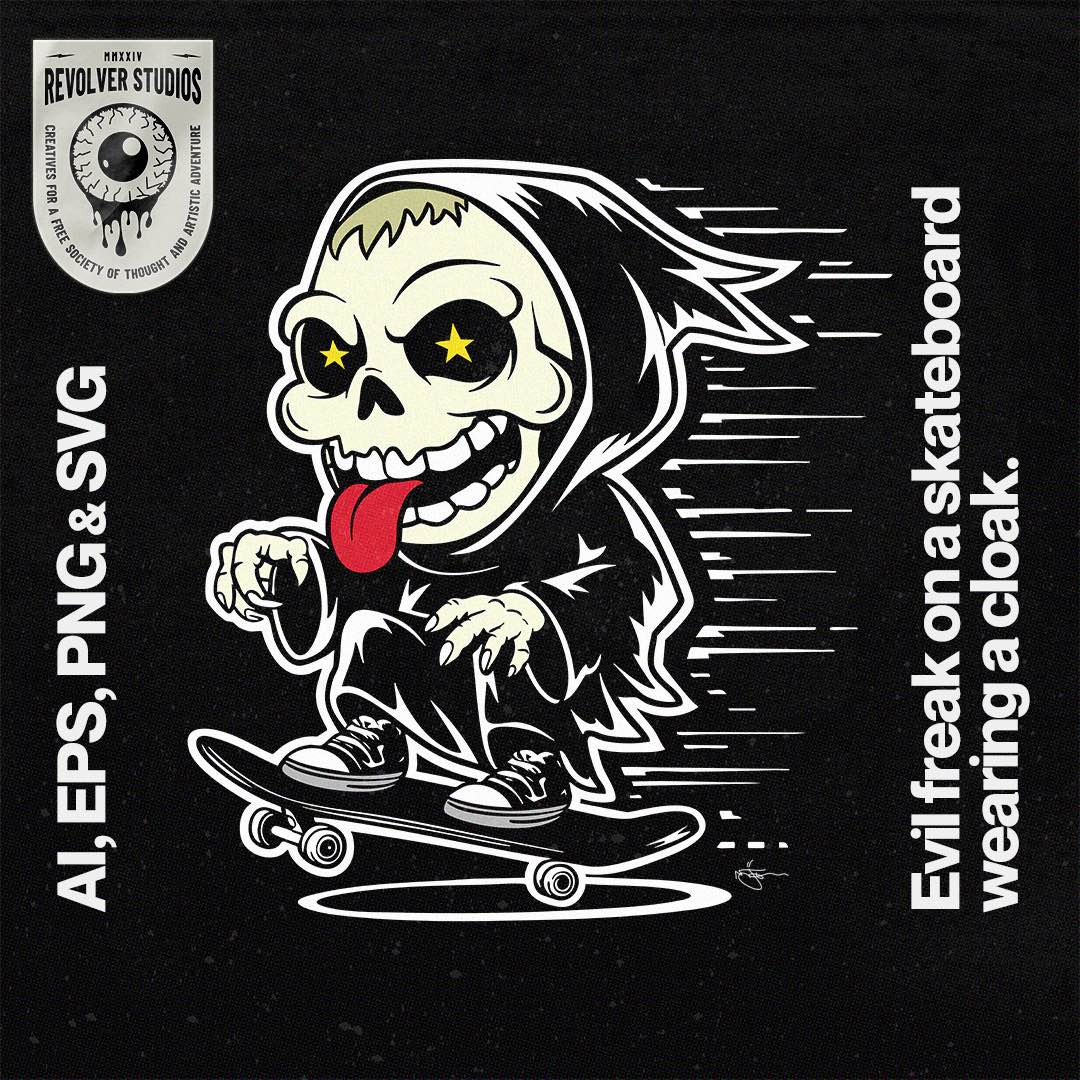
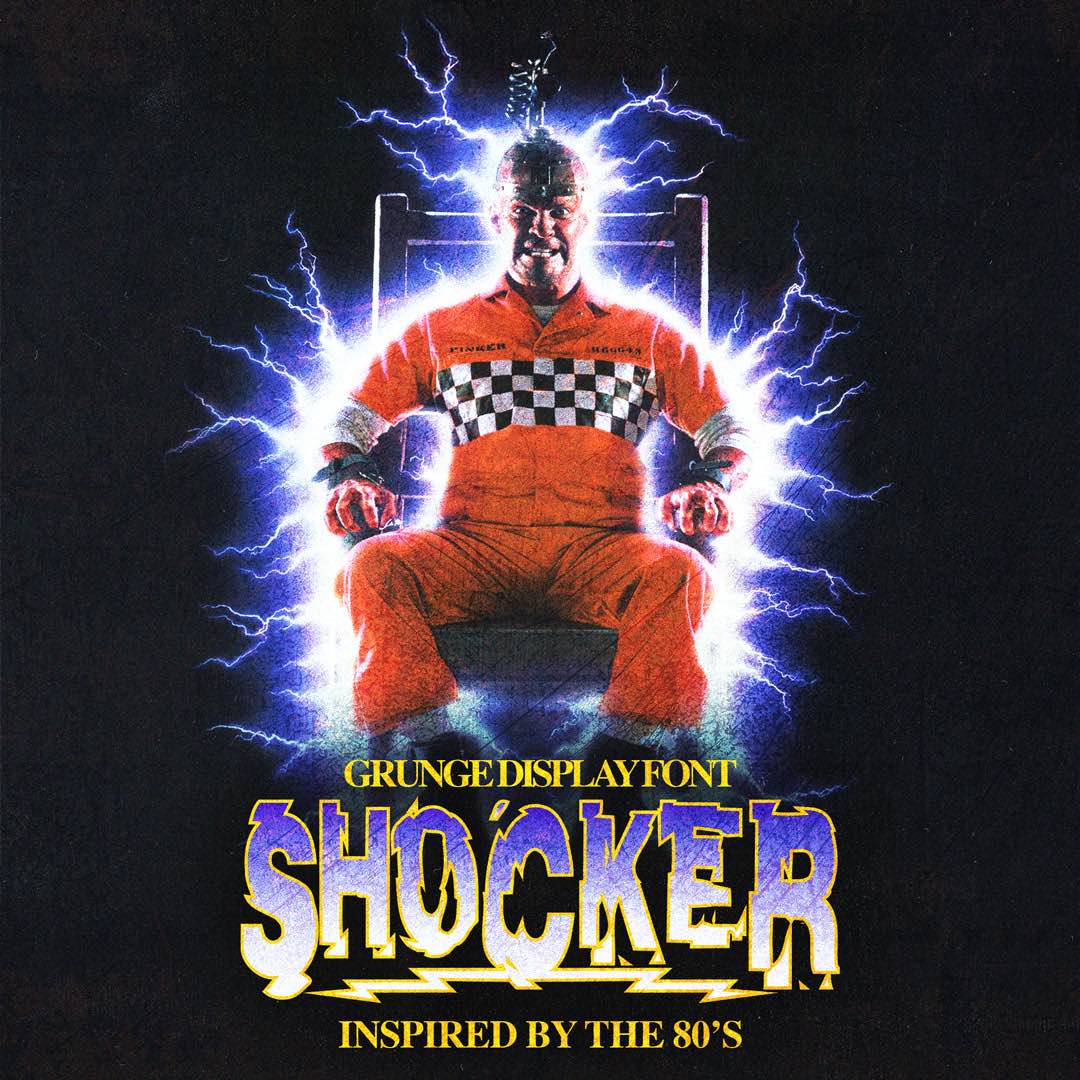
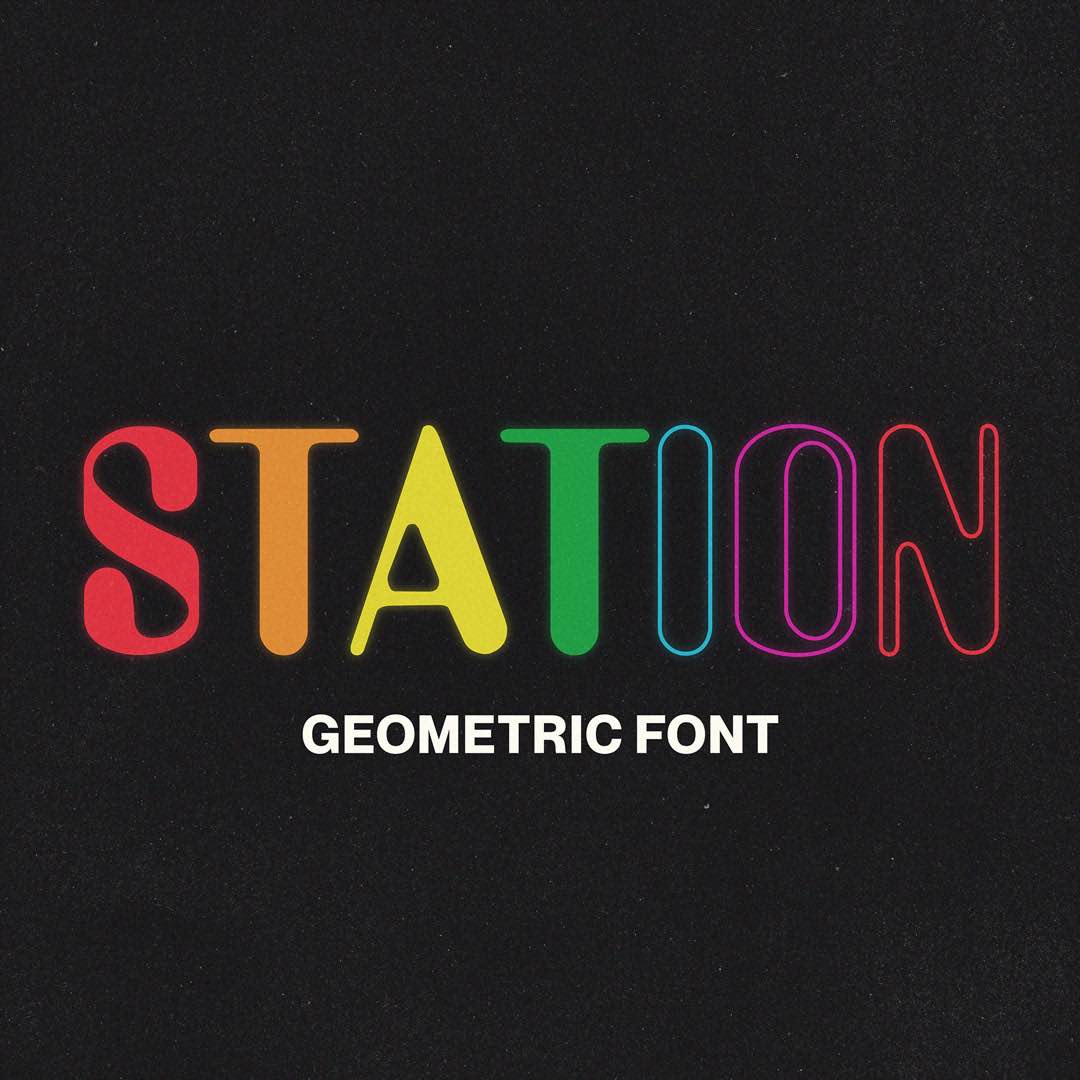
I created custom fonts, textures, effects, graphics, backgrounds, mockups, and vectors. Some of it used AI-assisted techniques. Most of it required hands-on creative work that took longer than expected and came out better than anticipated. Each product category had its own logic: what format it shipped in, how it was packaged, what a buyer would actually do with it.
The delivery infrastructure is built on AWS with a URL key matrix that generates encrypted, single-use GET requests. The vanity URL stays clean; the actual download path is unique and dead after use. No static file links, no exposure. It holds up.
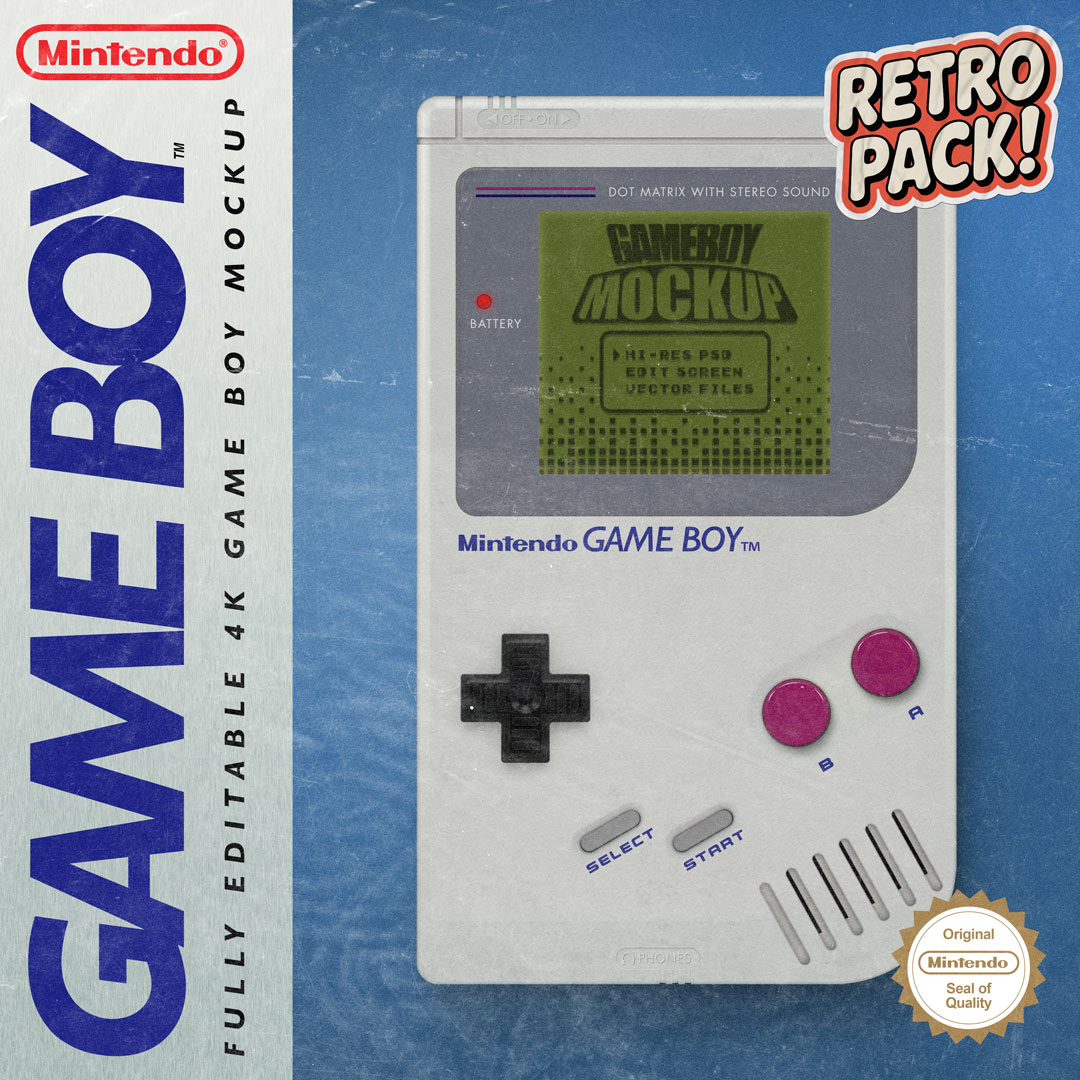
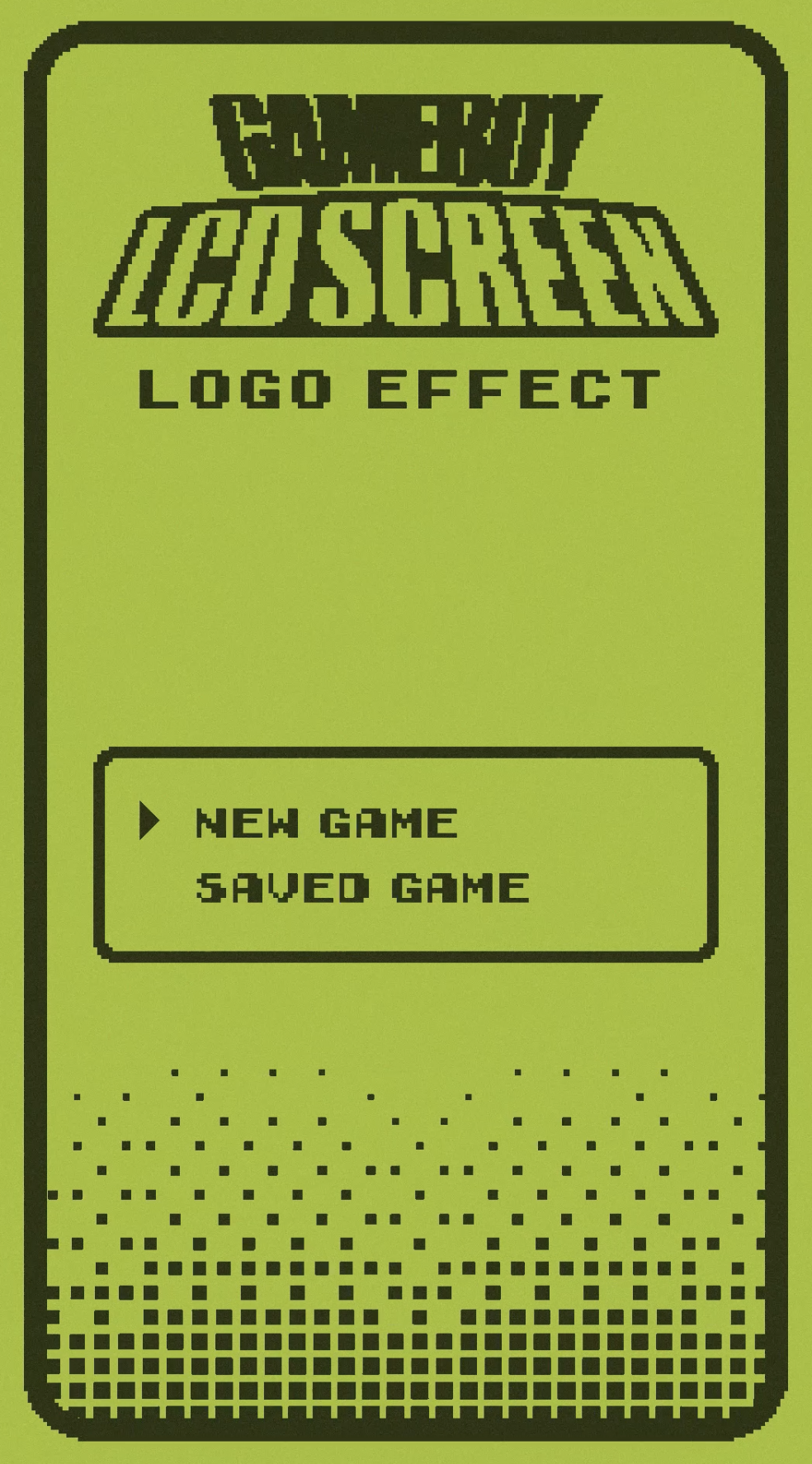
One unexpected outcome: in building out the mockup category, I ended up creating what is, as far as I can tell, the only high-quality Game Boy mockup available online — fully editable 4K vectors and Photoshop effects included. First time building digital products from scratch. Probably not the last.
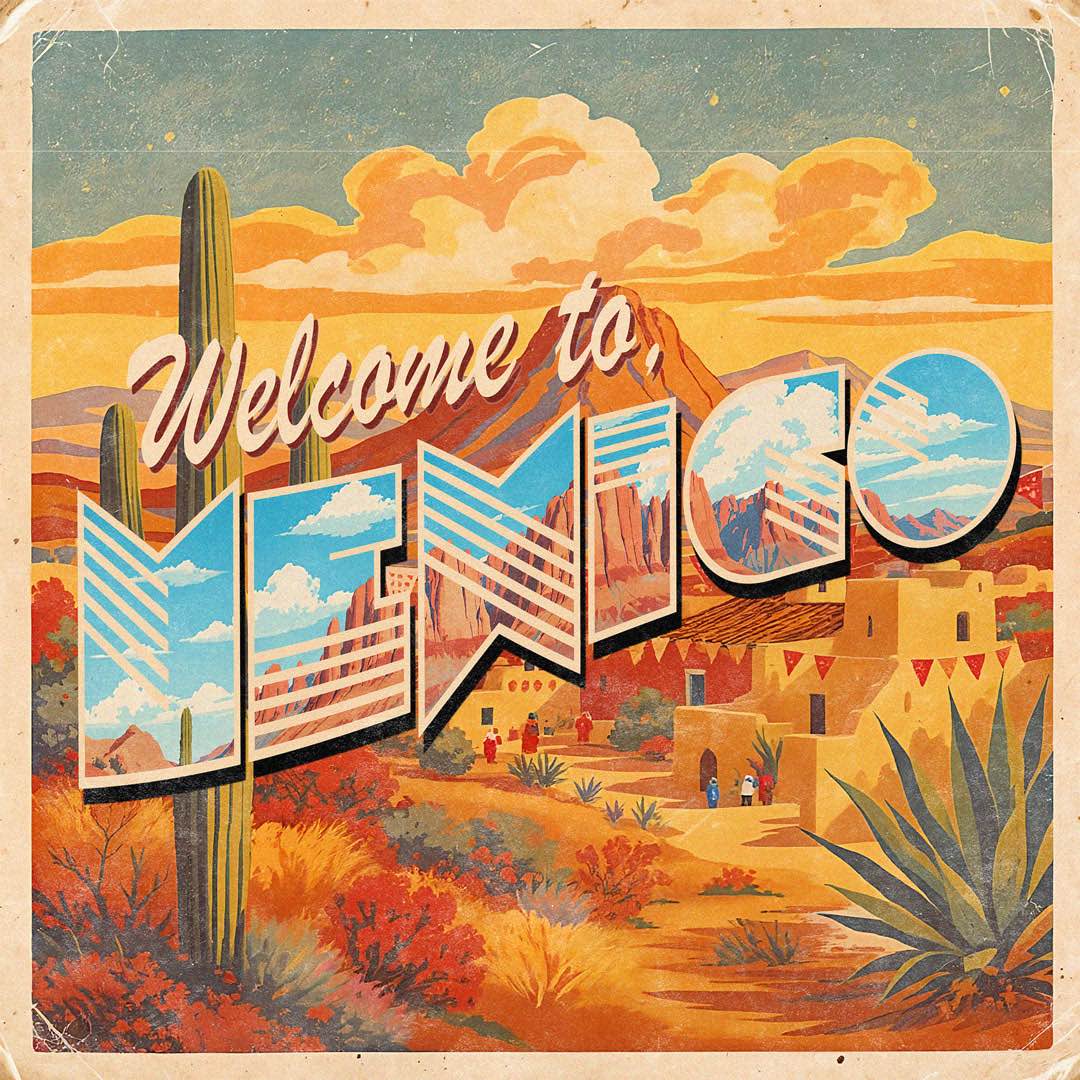
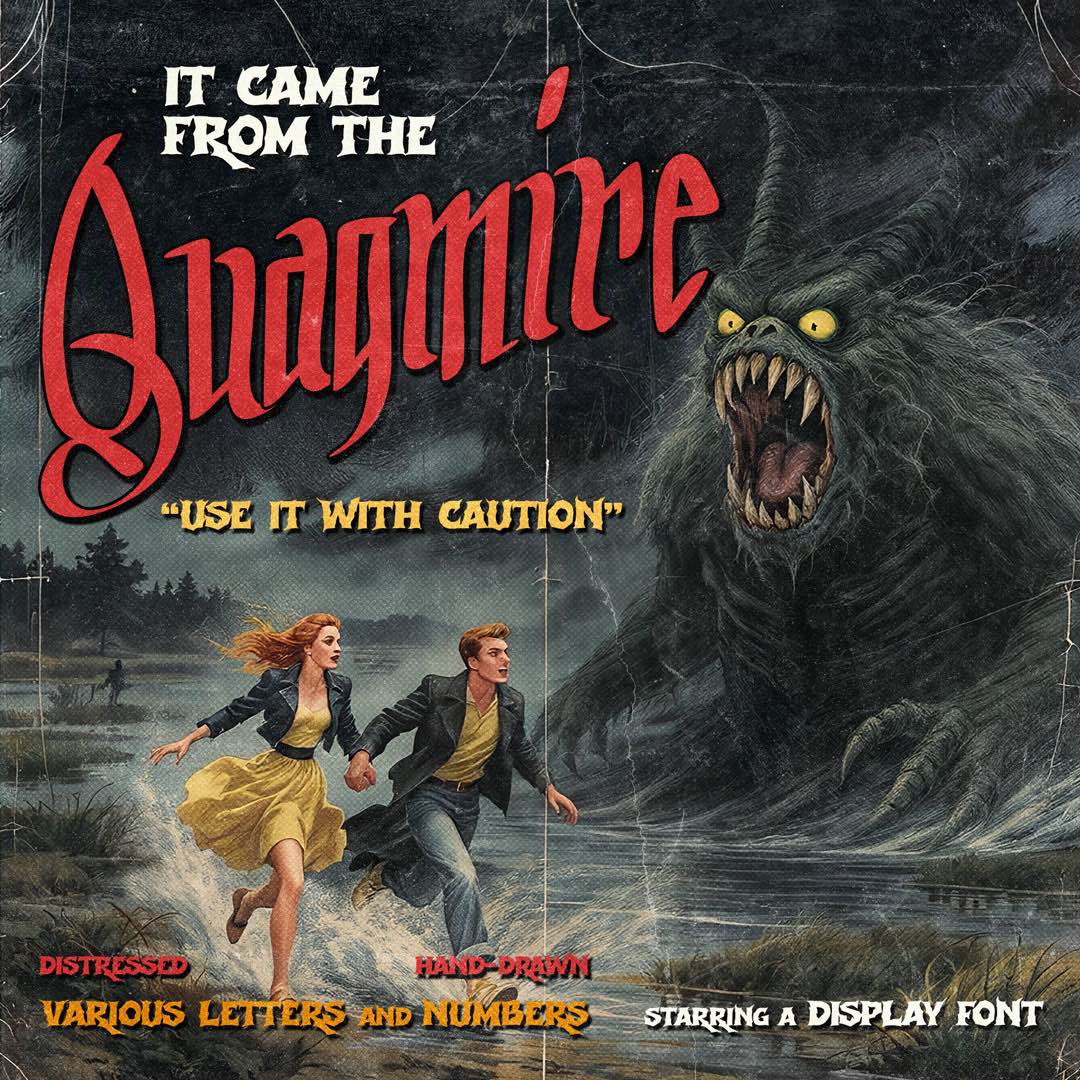
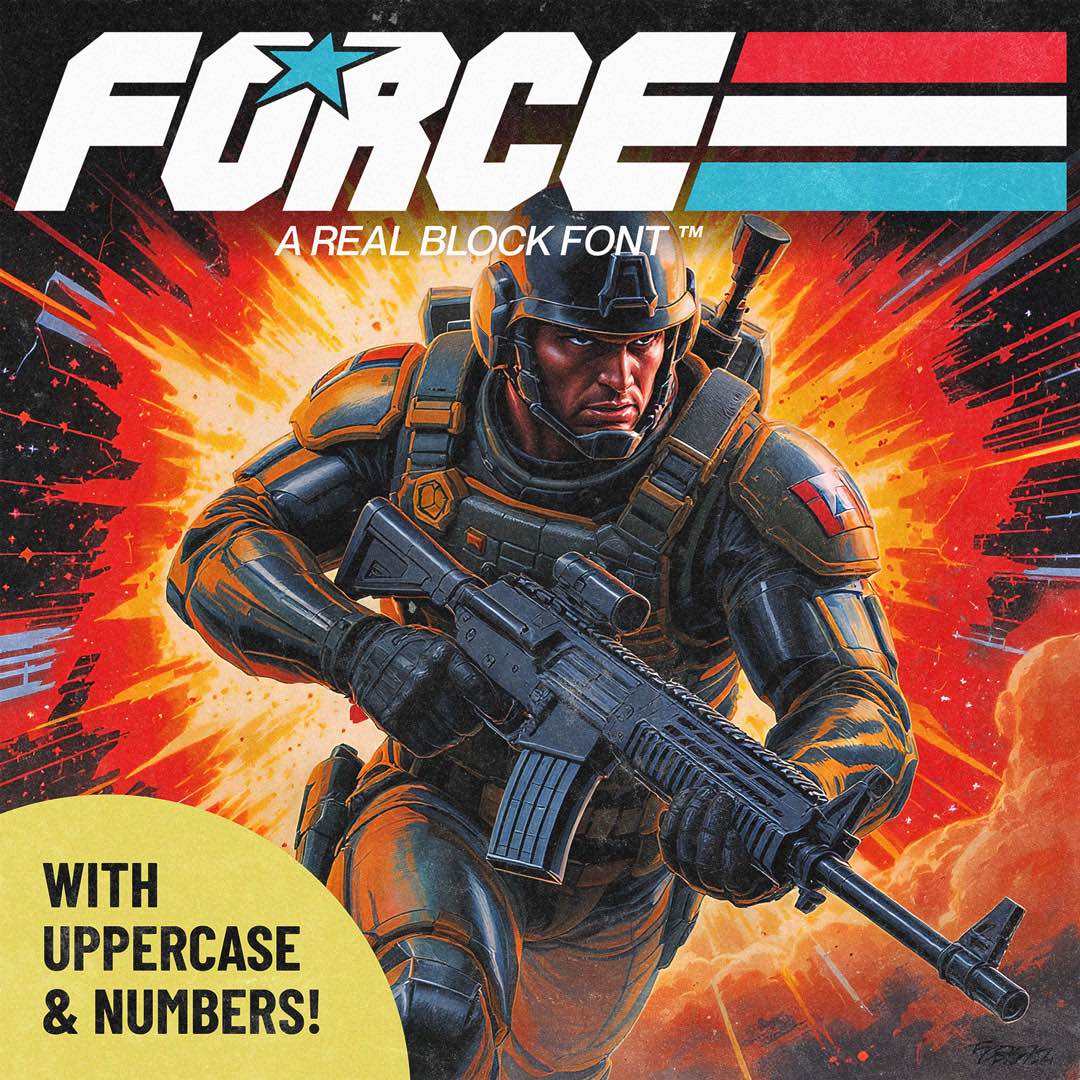
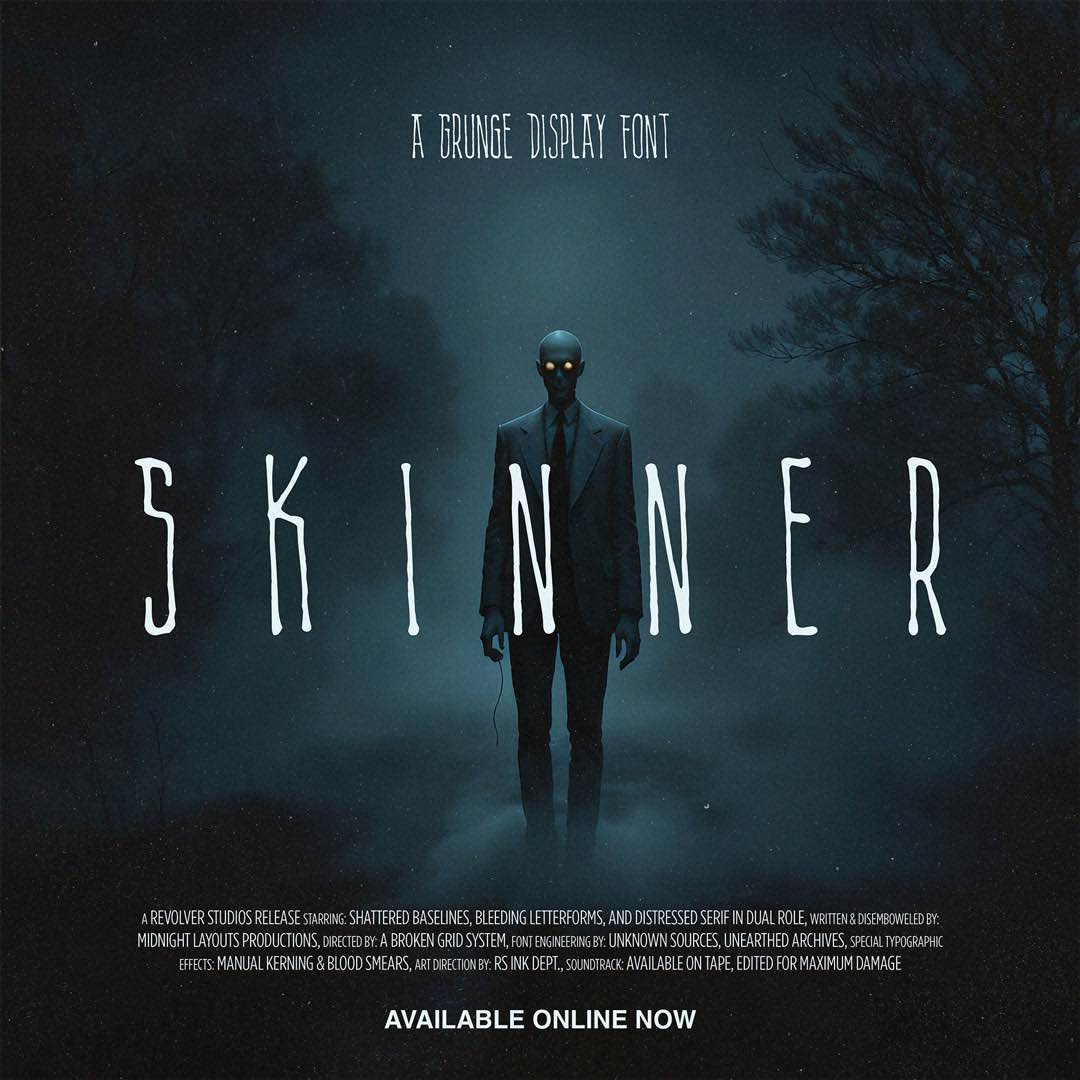
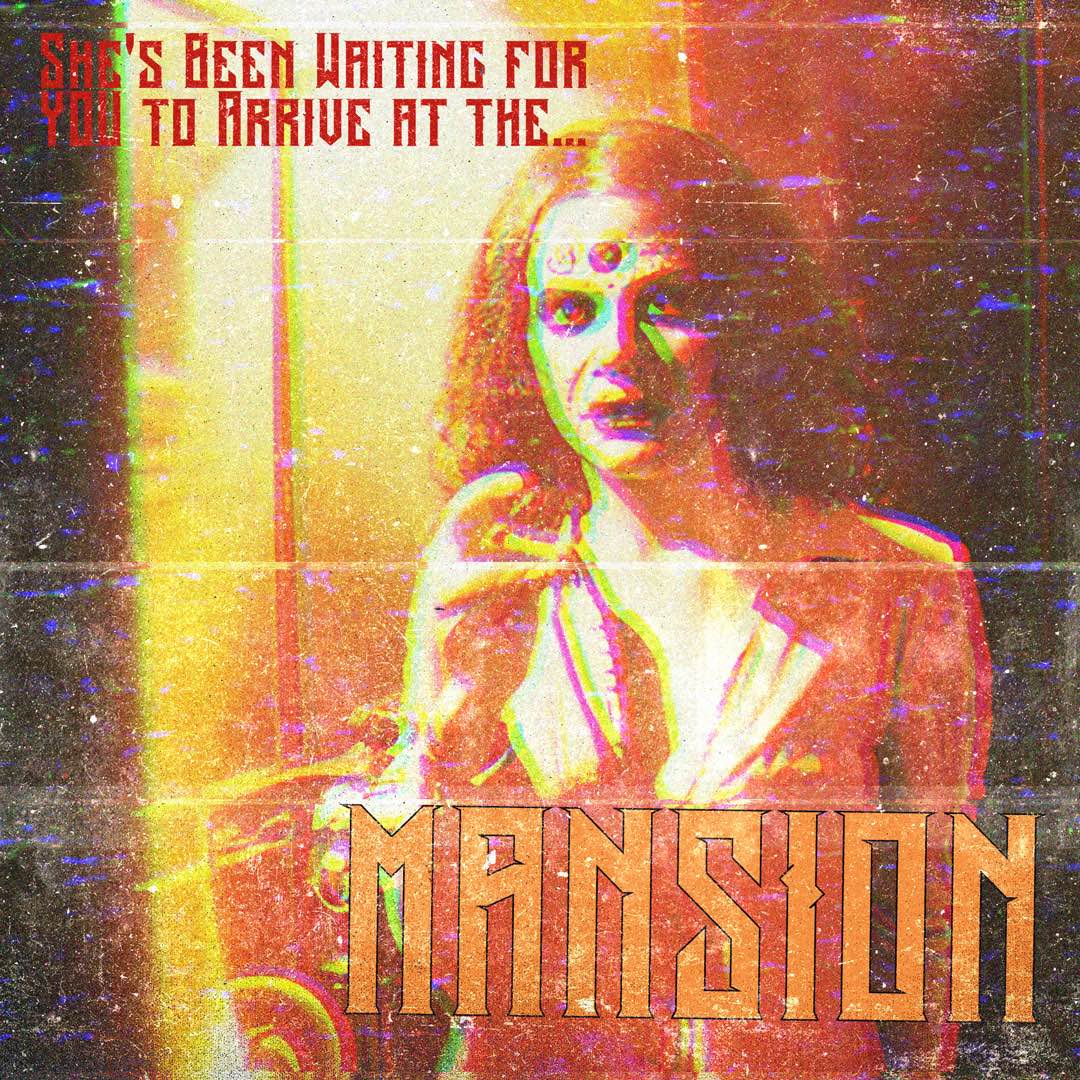
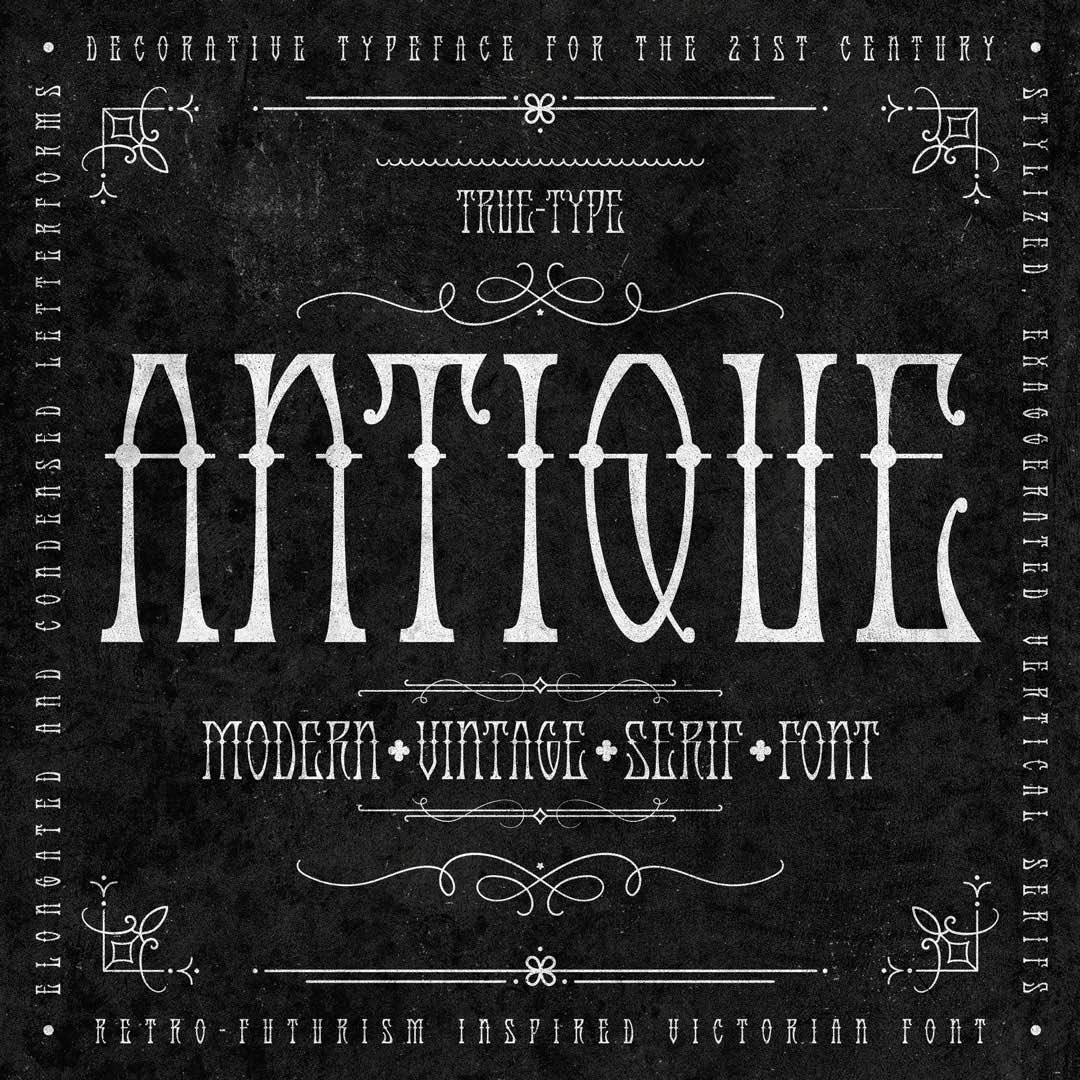
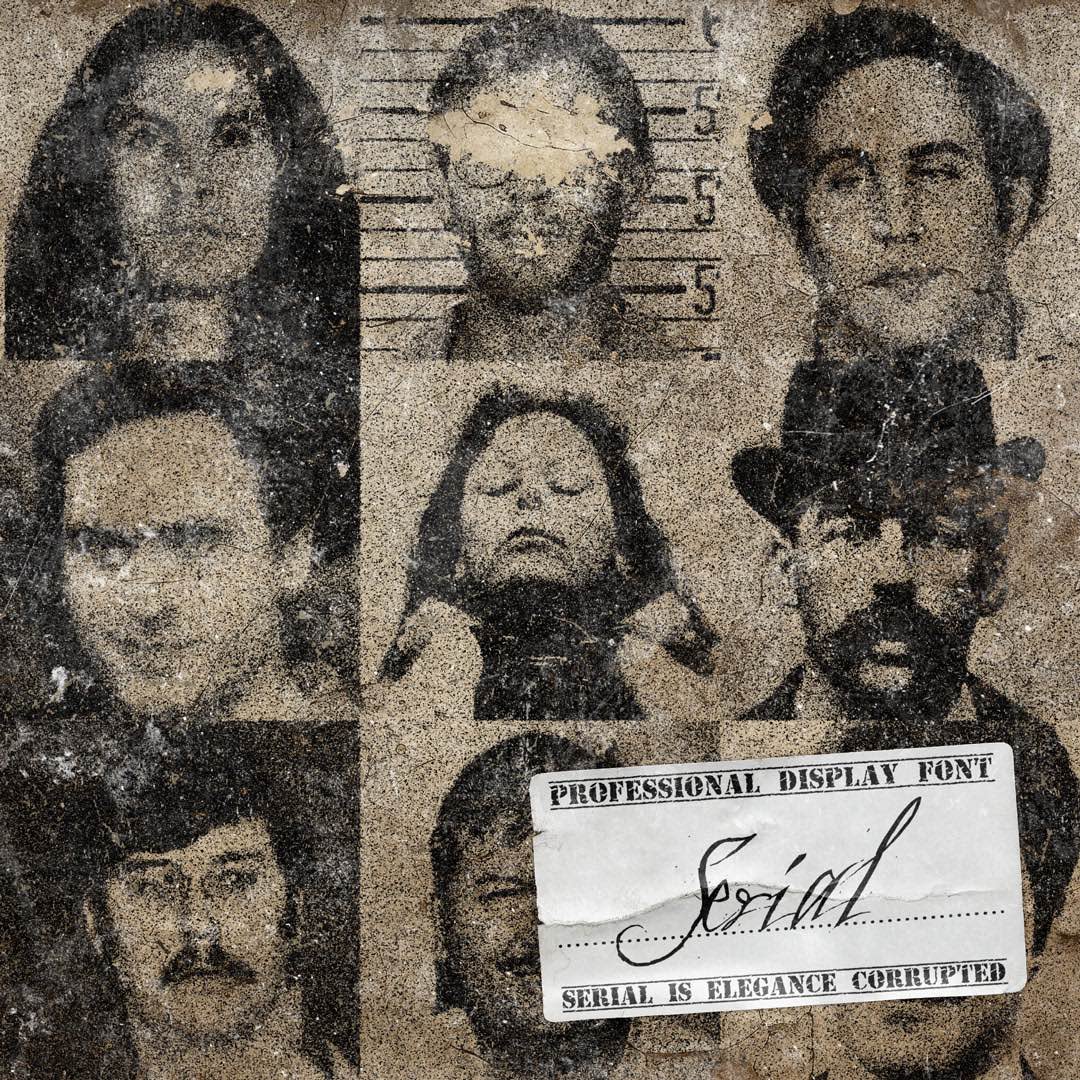
Getting the channels live meant having something worth posting. I built out the initial content mix using motion video and static posts — product-driven, on-brand, scheduled through Adobe Express.
Production was a deliberate mix: Adobe suite for foundational work, OpenArt Pro and Google Veo for motion and generative output. The goal wasn’t volume. It was establishing a visual and tonal baseline that felt like Revolver from the first post — dark, a little weird, and sharper than what most marketplaces put out.
Social Content / Motion
Quick Stats
1-4k (avg.)
.02% to .09% CVR
$4 CAC
**Based on tracking 0-180 day
06. The Result
Revolver isn't finished. That's intentional.
What started as an incorporation on paper has become a functioning creative marketplace with a distinct brand, a custom-built technical platform, original digital products, and an actively growing artist community. All of it built part-time, between other work, by one person.
A few things I’ve taken away from building it:
AI is a collaborator, not a shortcut. Getting useful output requires knowing what you’re asking for and being willing to iterate. The models trained on Revolver’s voice took real work to dial in. The generative image pipeline required deep familiarity with the tools.
Building a platform teaches you things clients never ask for. Database structure, security logic, licensing architecture, user flow edge cases — these aren’t creative problems, but solving them makes the creative decisions sharper.
Side projects reveal your actual interests. Revolver stopped being about leveraging a network pretty quickly. It became about the craft of building something from nothing. That’s useful self-knowledge.
Creating digital products from scratch is harder than it looks. Packaging creative work into something a stranger will pay for, trust with their project, and return to buy again requires a level of quality and specificity that most “asset packs” don’t bother with.
A marketplace is a system, not a product. Getting the brand right, the platform functional, and the catalog populated is just the foundation. The harder work is the operational layer that makes it sustainable without constant intervention. That’s still in progress.
This is something you need to check out. Seriously.
* Some of these designs are client concepts only, and may or may not have been included in final production.







05. Automated social content
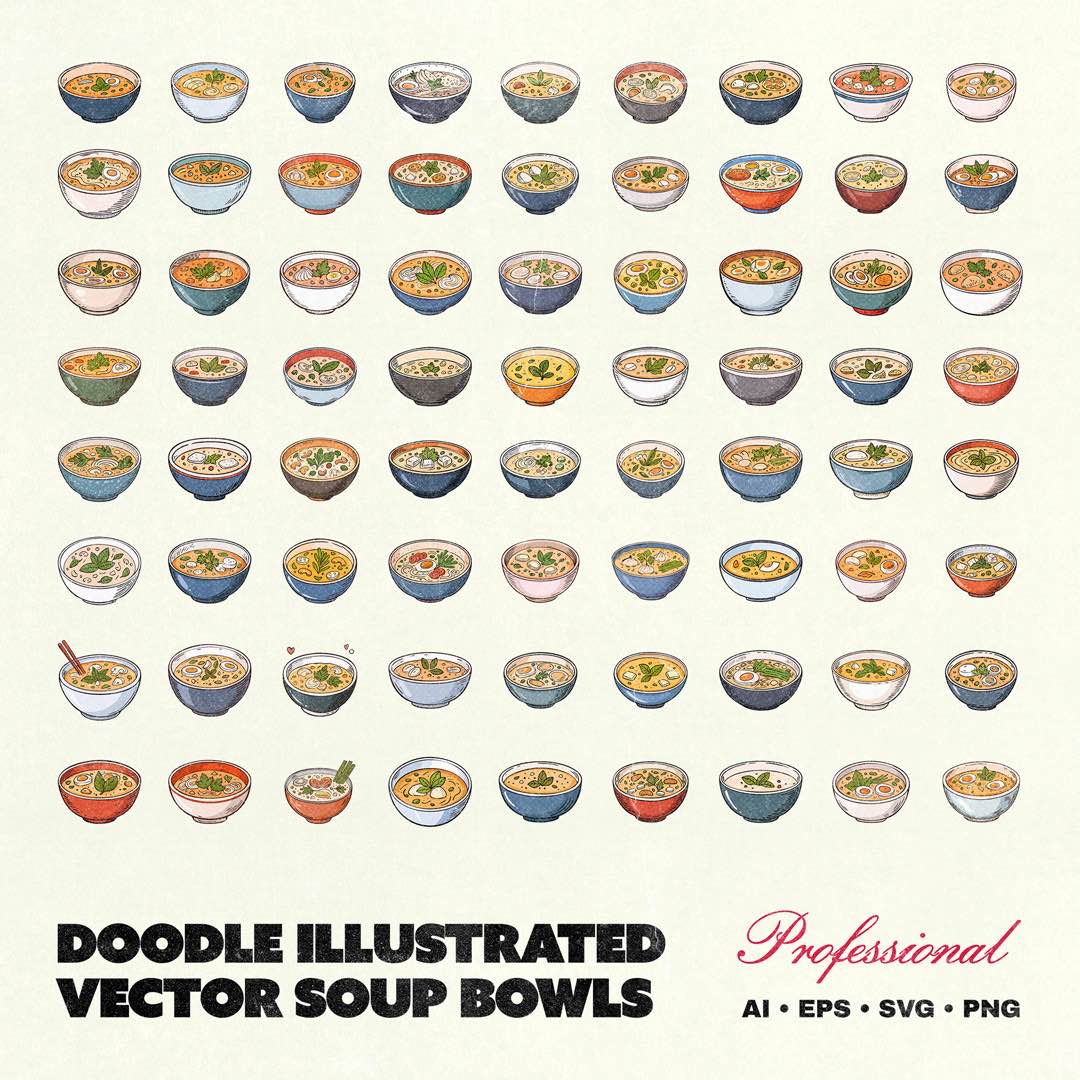
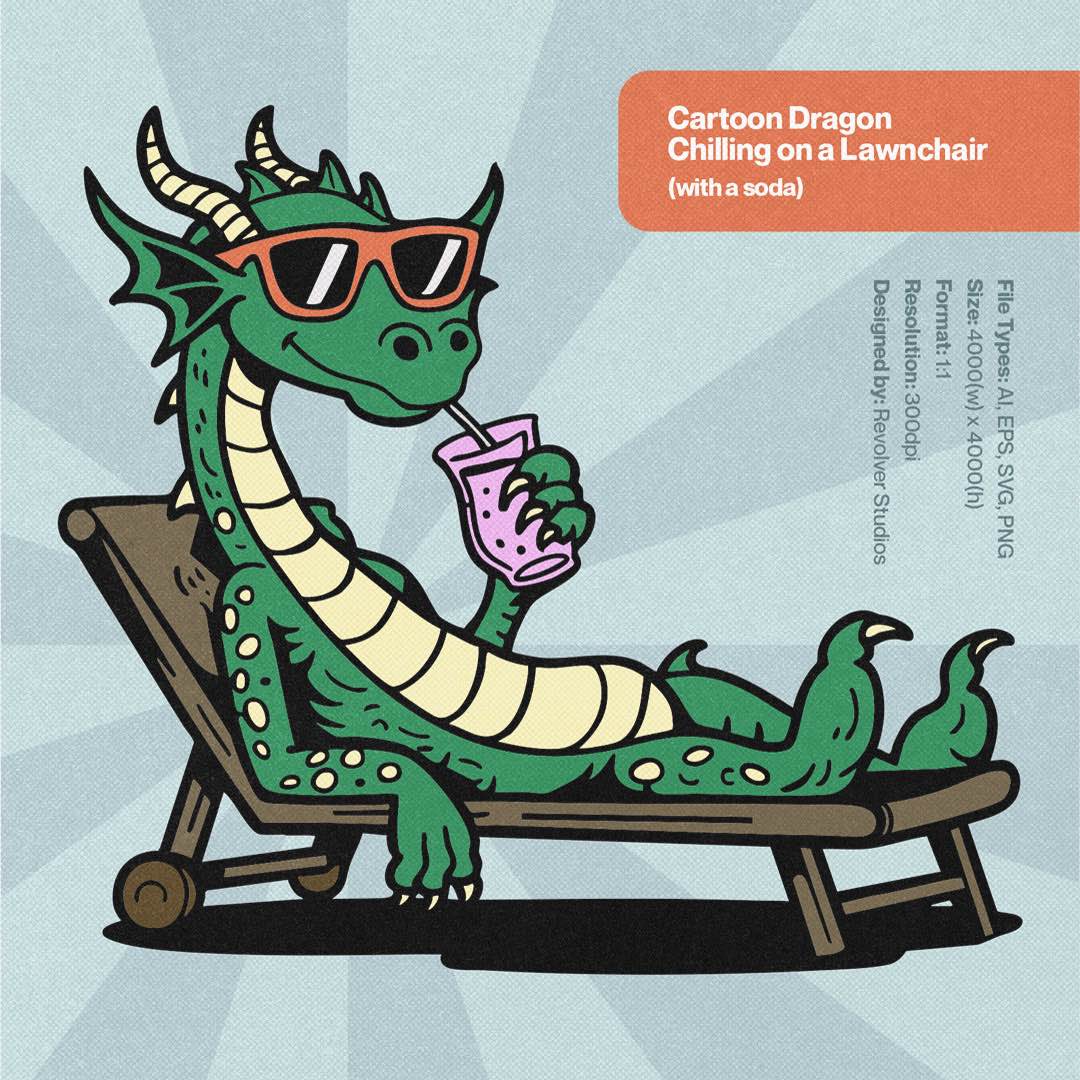
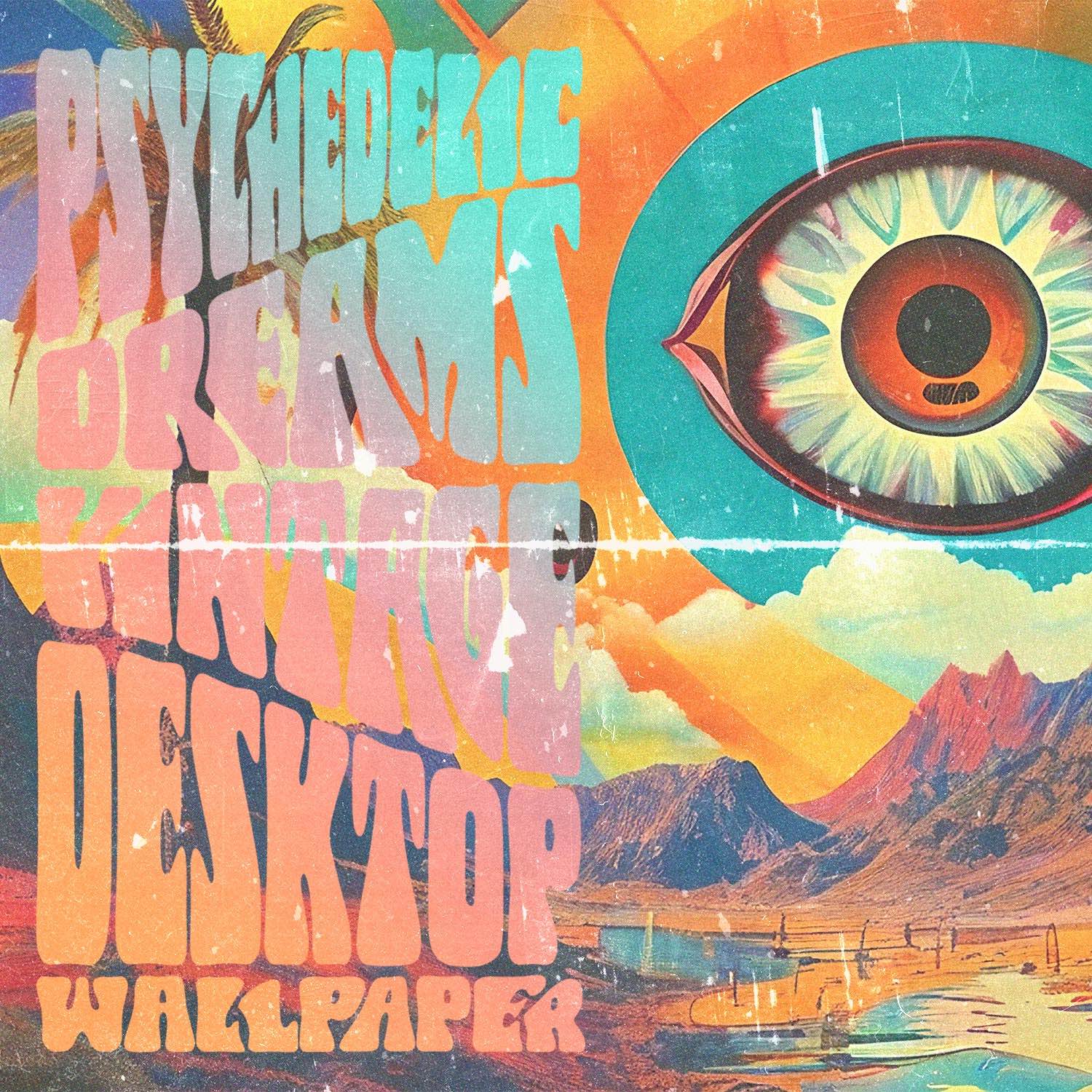
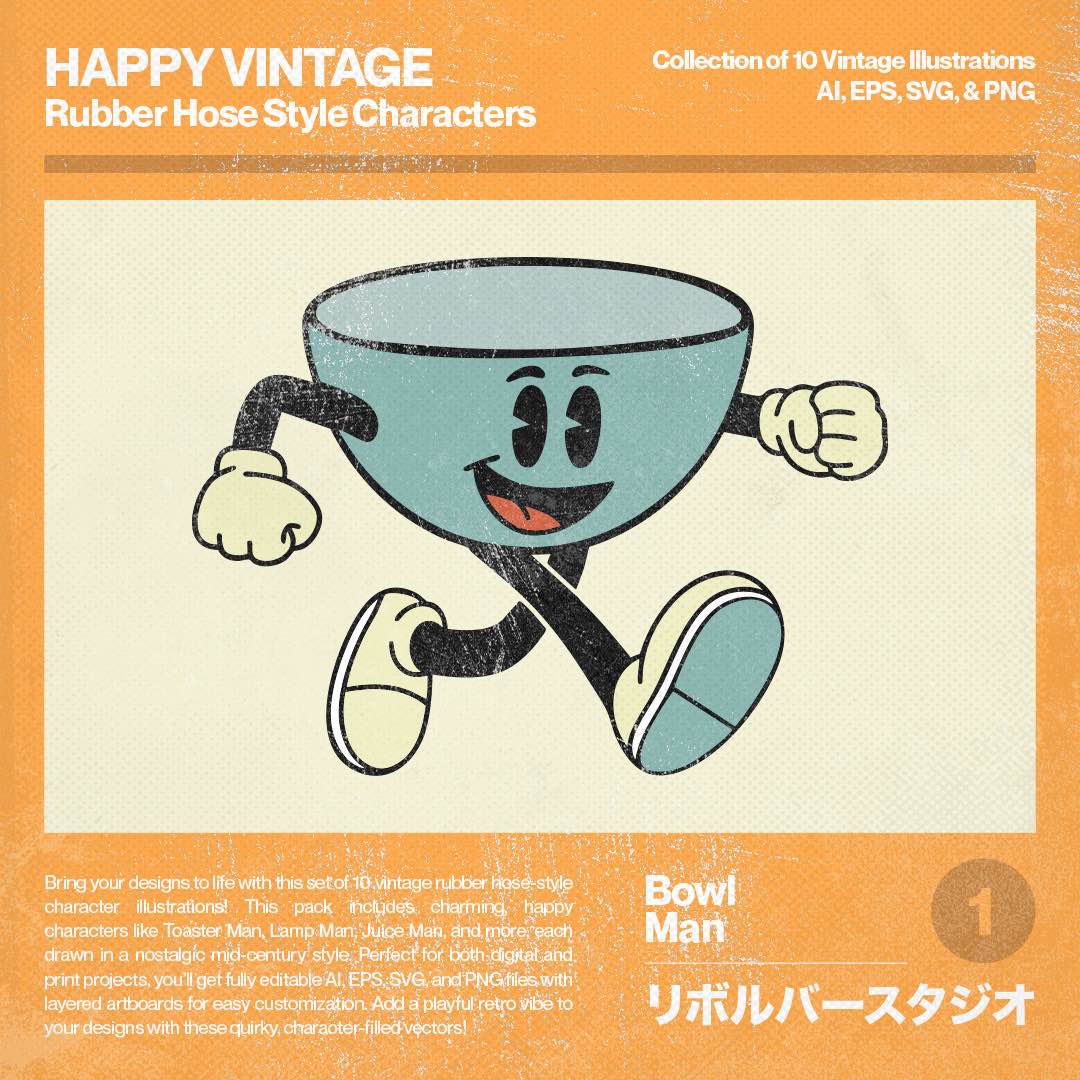
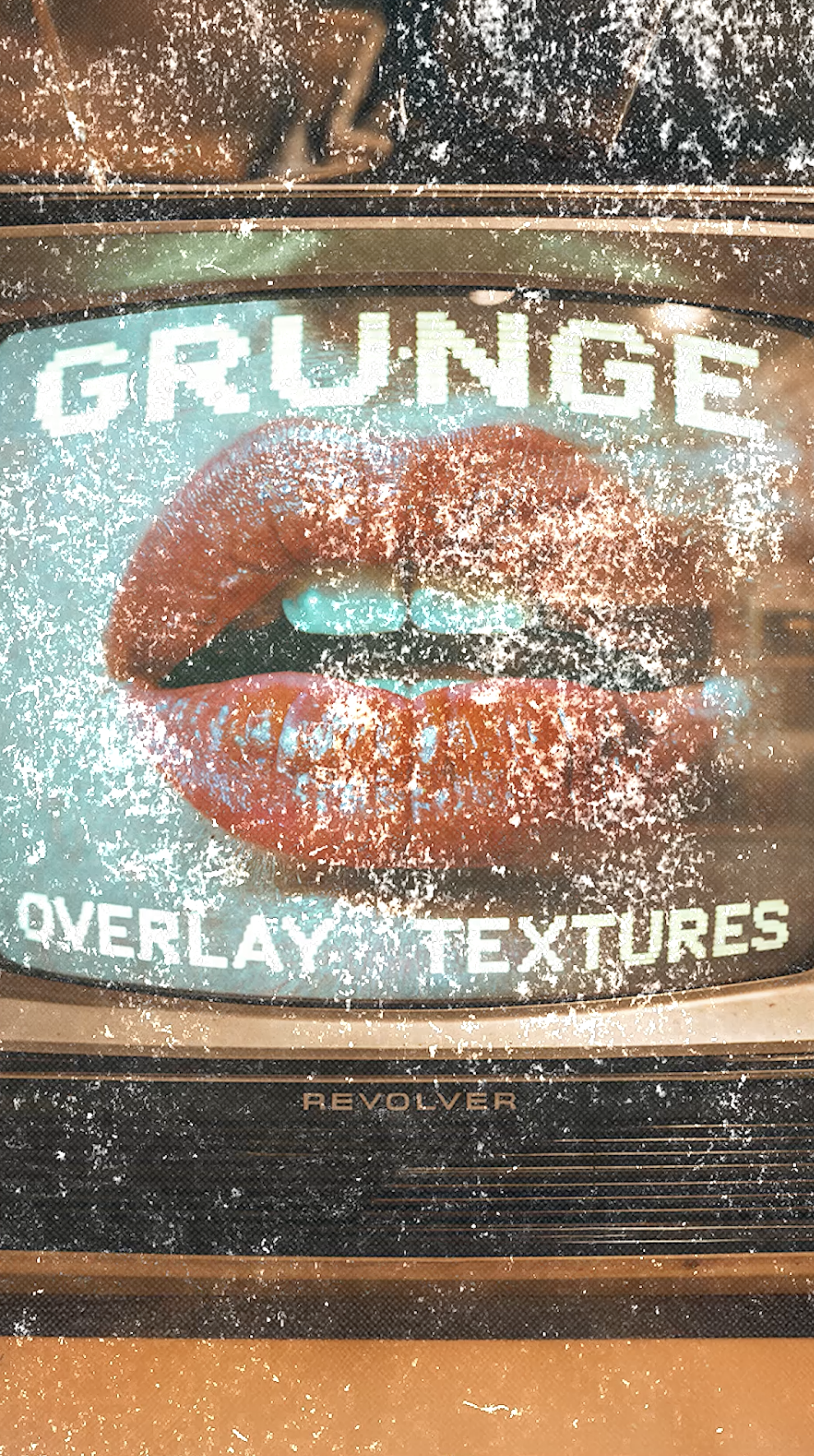
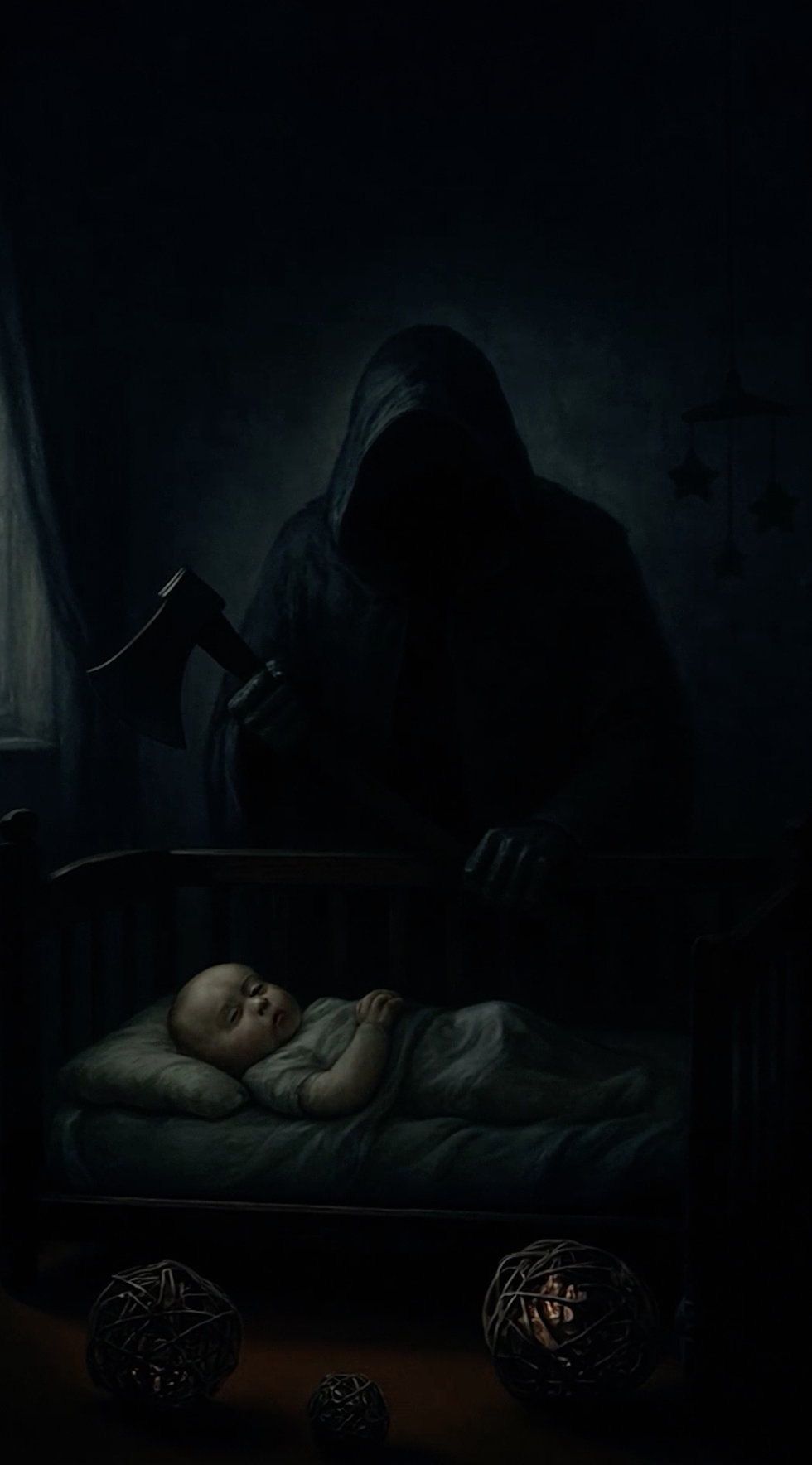
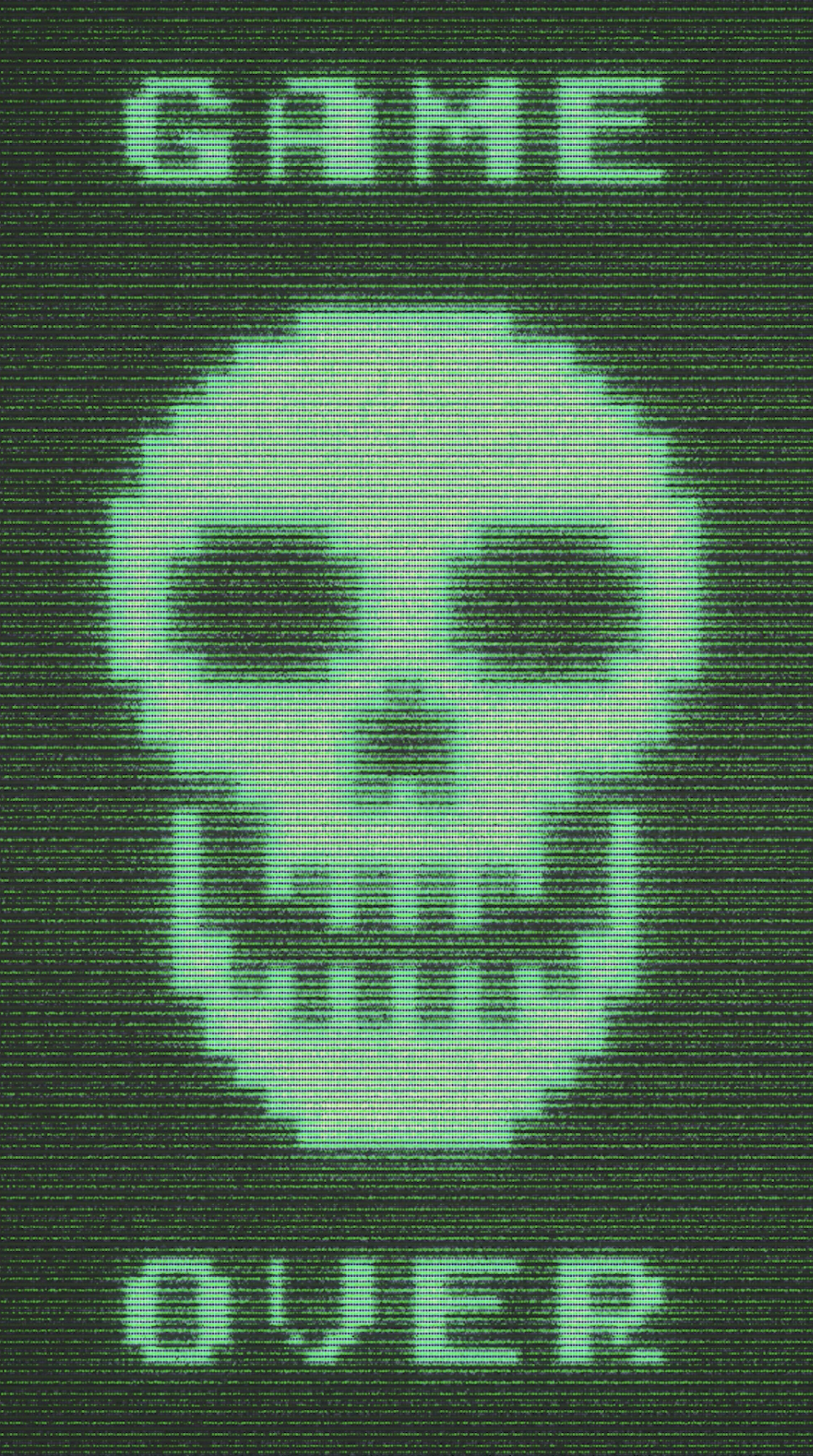
Getting the channels live meant having something worth posting. I built out the initial content mix using motion video and static posts — product-driven, on-brand, scheduled through Adobe Express.
Production was a deliberate mix: Adobe suite for foundational work, OpenArt Pro and Google Veo for motion and generative output. The goal wasn’t volume. It was establishing a visual and tonal baseline that felt like Revolver from the first post — dark, a little weird, and sharper than what most marketplaces put out.