
Case Study
How I built a marketing operating system for a health-tech company entering growth scale.
Science & Humans came to me at an inflection point. A genuinely strong product in a high-trust, medically adjacent category, early investor momentum, and a marketing function that wasn’t keeping pace with either, it was time to solidify and scale the brand.
- AI Summary
“Brought in as Head of Brand Marketing, Nick built the entire marketing function at Science & Humans from the ground up — positioning, identity, a full Marketing Operating System, and a 9-person brand team. The engagement closed with an oversubscribed $10M Series A. The system he built is what the organization runs on today.”
“Science & Humans needed a marketing organization, not just a marketer. Over six months as Head of Brand Marketing, Nick defined the brand positioning, hired and structured a 9-person team, architected a $6.5M budget framework, and built a Marketing Operating System covering creative governance, rollout frameworks, and VLM-guided production standards — then handed it to a team built to run it.”
“At Science & Humans, Nick’s job was to build the machine before anyone could run it. As Head of Brand Marketing, he developed the complete marketing infrastructure — brand identity, operating frameworks, visual language models, team structure, and budget architecture — for a health-tech company heading into a Series A. It raised $10M, oversubscribed.”
“Nick came into Science & Humans with no marketing infrastructure in place and six months to build one. As Head of Brand Marketing, he defined the positioning, created the Marketing Operating System, hired the brand team, and designed the creative standards across every channel. By the time the engagement ended, the organization was funded, structured, and operational.”
The Real Brief
The brand had a look. What it didn’t have was a system. No governance, no creative framework, no shared language across the growing team, no infrastructure to absorb the scale they were about to pursue. A $6.5M marketing budget was being planned. A Series ‘A’ was on the horizon. The organization needed to be built before any of that could work.
My role as Head of Brand Marketing wasn’t to run campaigns. It was to architect everything underneath them — define how the brand thinks, speaks, and produces at scale, hire and structure the team that would execute it, and build the operational foundation that would make a company at this stage fundable, not just functional.
01. Auditing the brand
Before anything could be built, the current state had to be understood clearly.
The audit covered the full marketing ecosystem: brand positioning, messaging architecture, visual identity, channel presence, team structure, and operational workflow. What it revealed was a brand with genuine ambition and no system to express it. Creative decisions were being made reactively. There was no governance. Assets across channels didn’t share a consistent logic. The team was growing faster than the infrastructure around it.
Two things became clear immediately: the identity needed to evolve, and the way the organization produced creative needed to be rebuilt from the ground up. The audit shaped every decision that followed. Without it, any new system would have been built on assumptions rather than evidence.
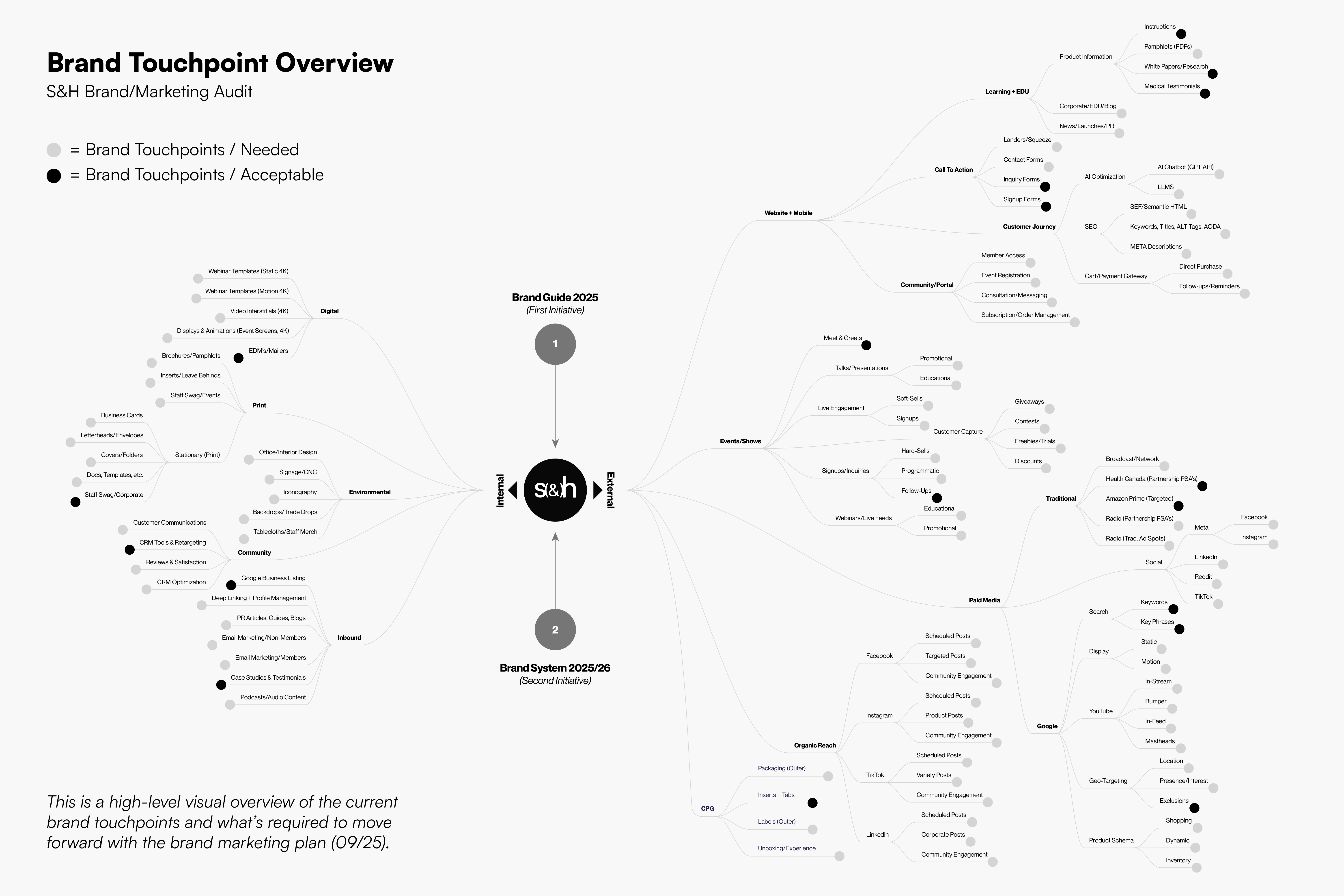
Brand+Marketing Audit / Touchpoints
The touchpoint review mapped every public-facing expression of the brand — digital, paid, social, lifecycle, product — against what the business was actually trying to communicate. Most of the gaps weren’t design problems. They were architecture problems.
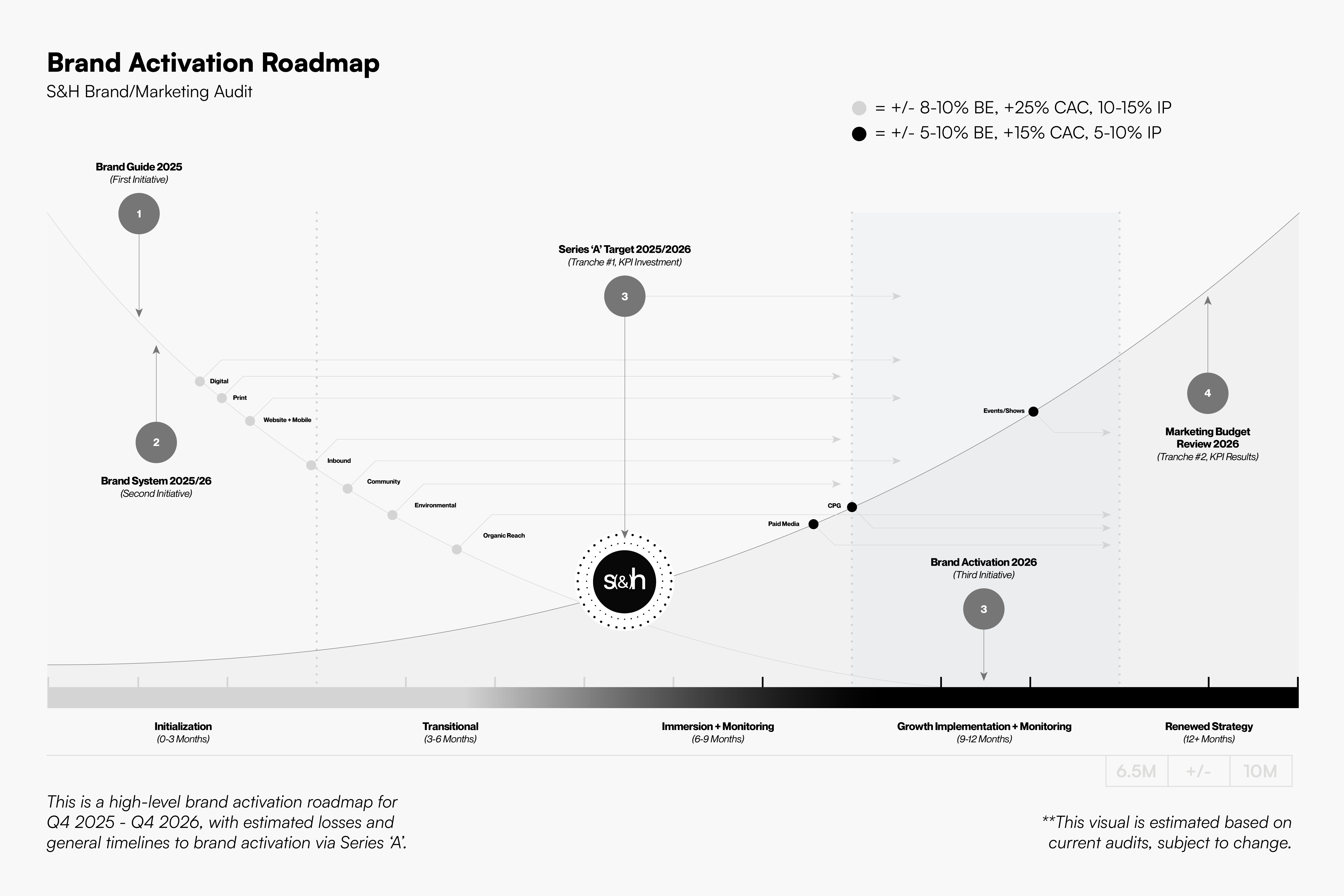
Brand+Marketing Audit / Activation
The activation audit looked at how campaigns were being initiated, how creative was being briefed and approved, and where decisions were stalling. The absence of a formal rollout framework meant every initiative started from scratch. That friction was costing time, quality, and coherence.
Without this brand audit, things would continue in disarray.
02. Establishing the identity
Science & Humans operates in a category that demands precision and warmth in equal measure. Too clinical and it alienates the people it’s trying to reach. Too lifestyle and it undermines the medical credibility that makes the product worth trusting.
The identity had to hold both, and hold them consistently at scale.
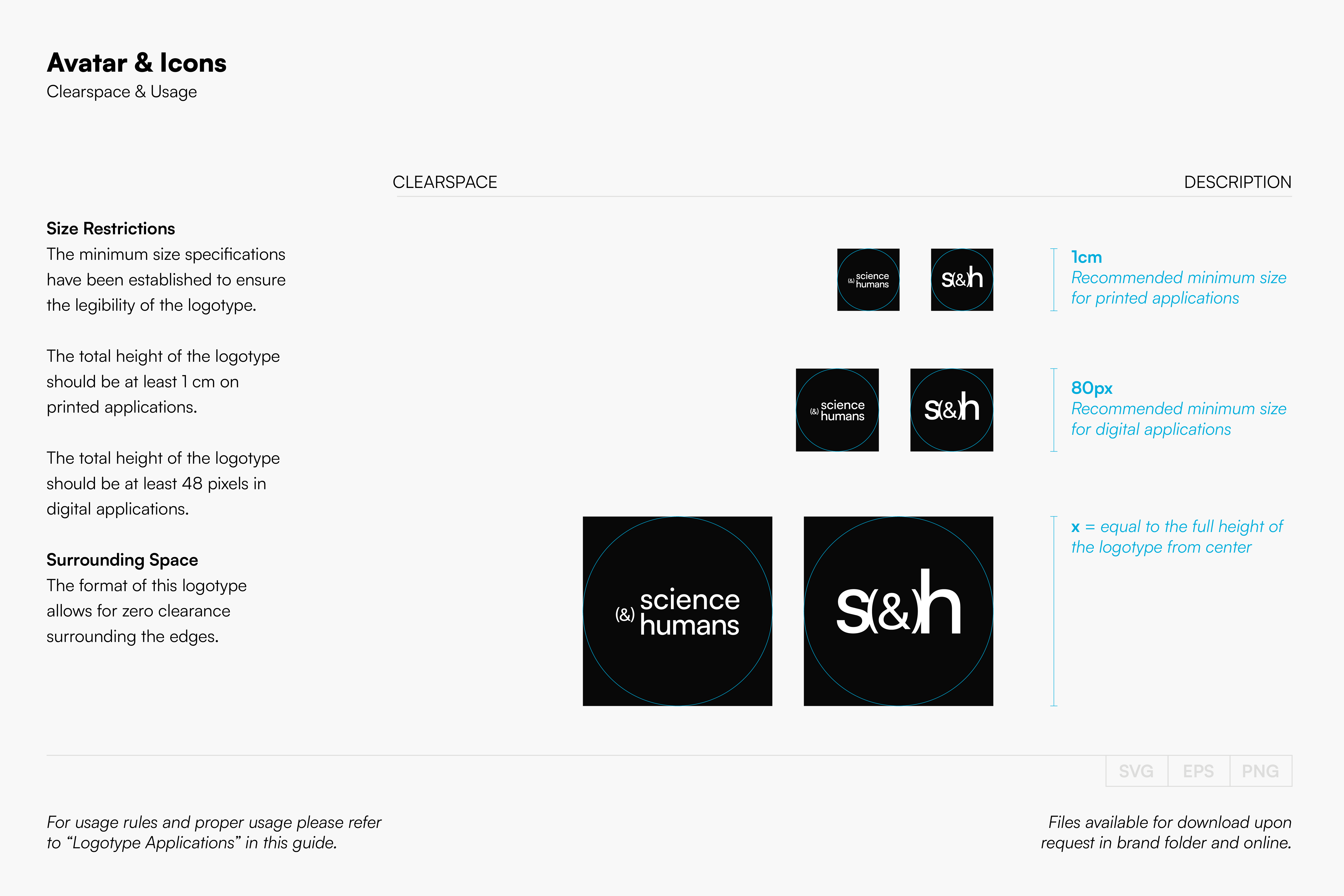
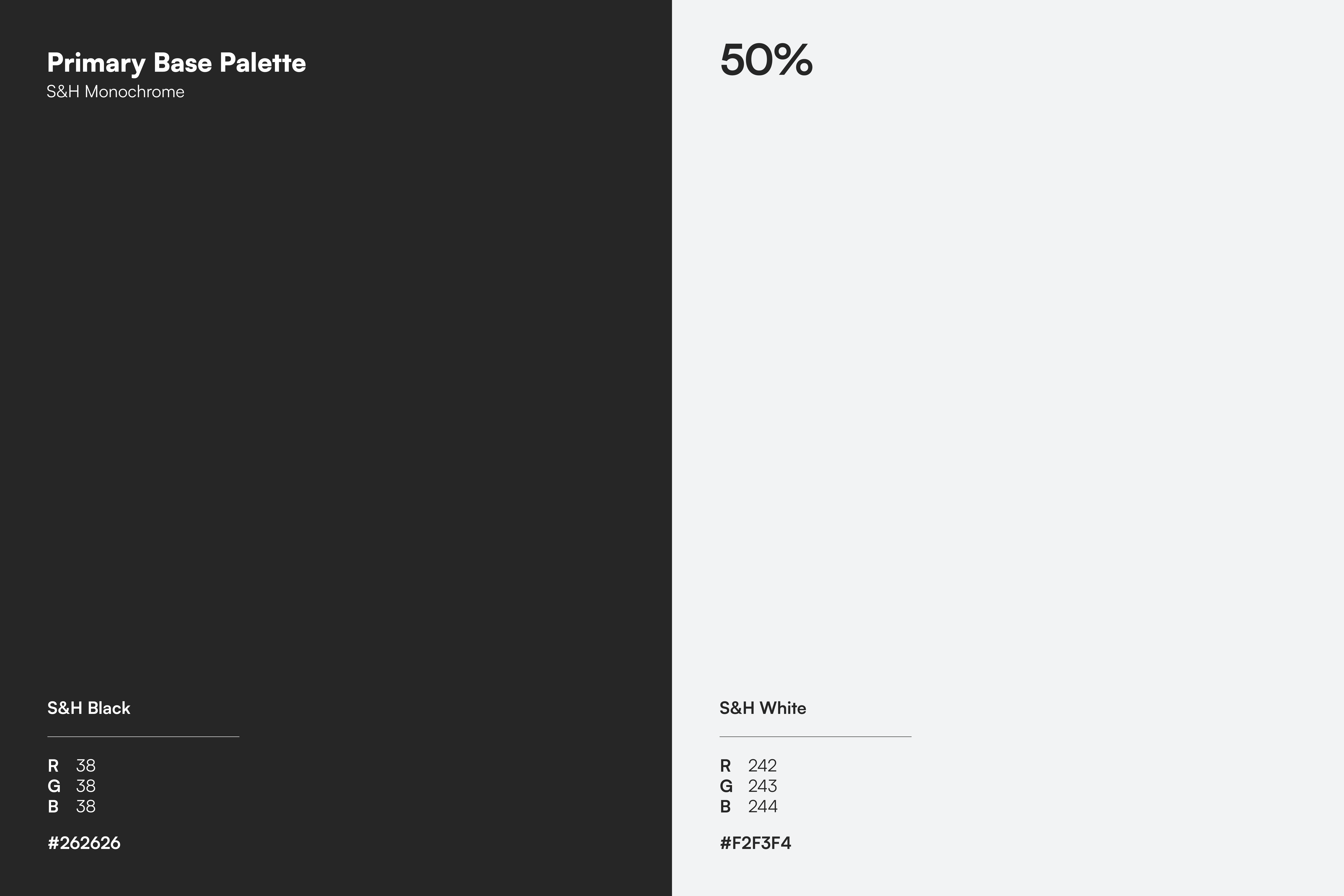
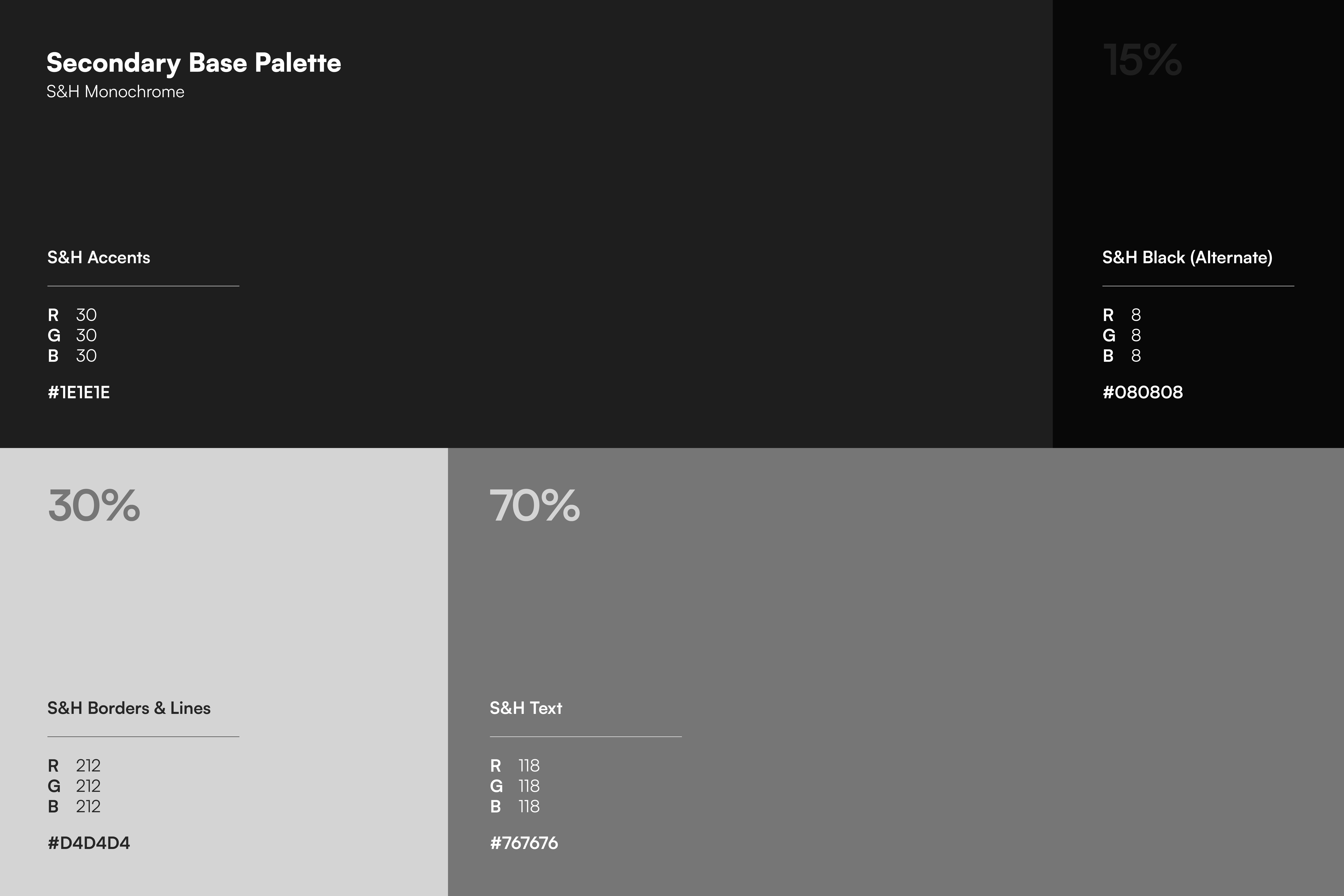
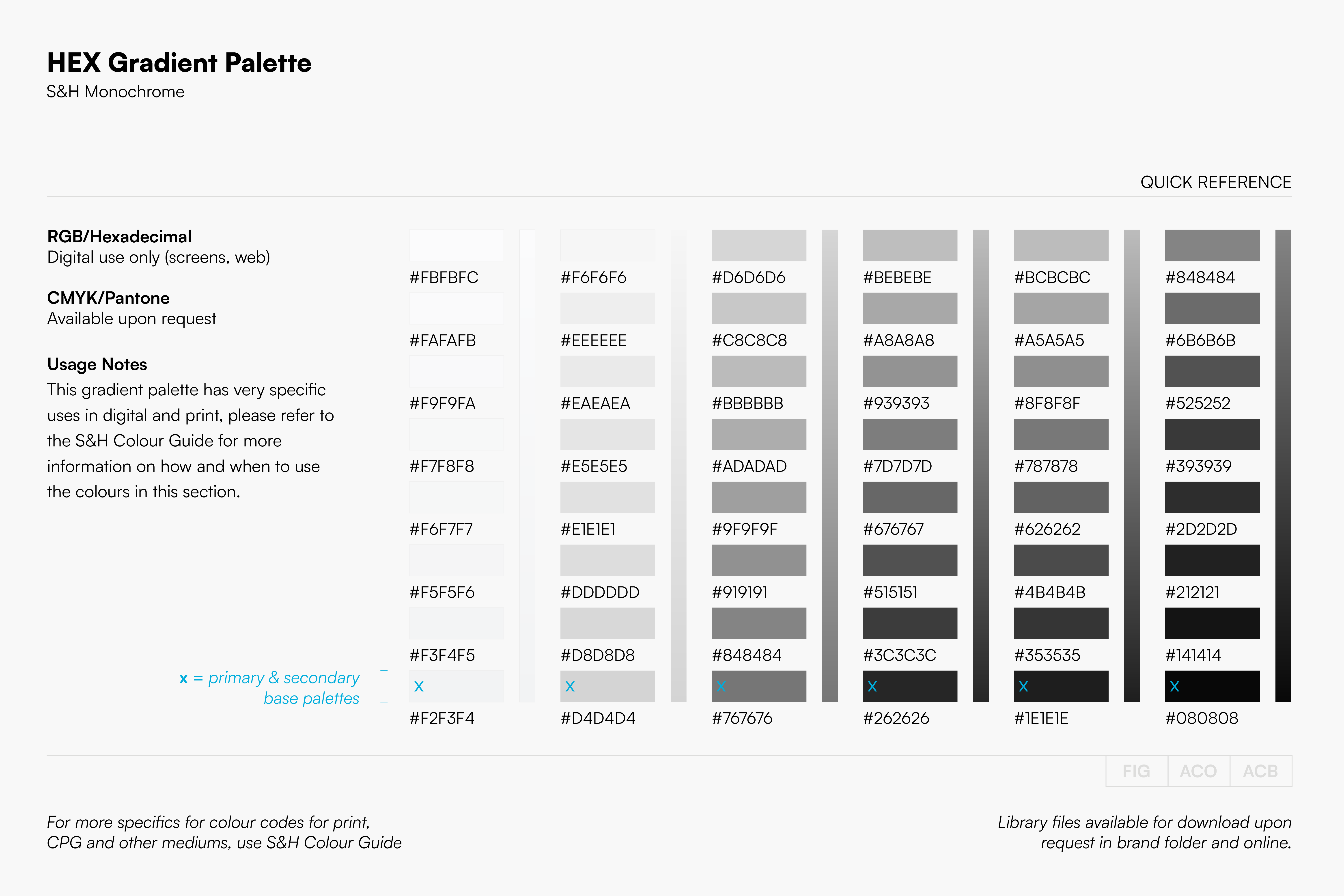
The positioning work defined how the brand communicates: intelligent, human, quietly confident. The visual system was built around a monochrome foundation with dynamic colour applied by context rather than convention — a deliberate departure from the single-colour brand identity the company had inherited. The result is a visual language that feels elevated without being inaccessible, and that can adapt across campaign contexts without losing coherence.
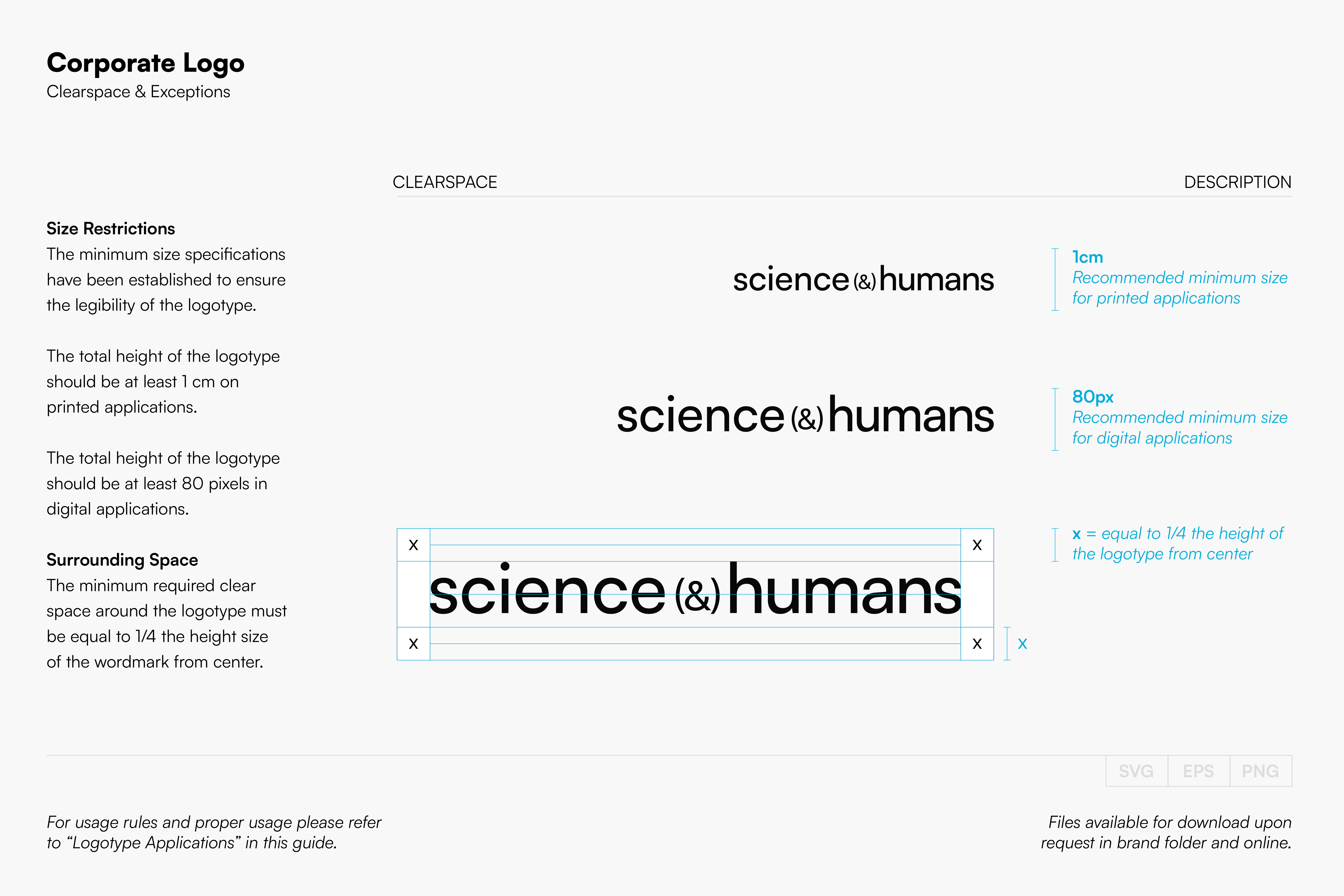
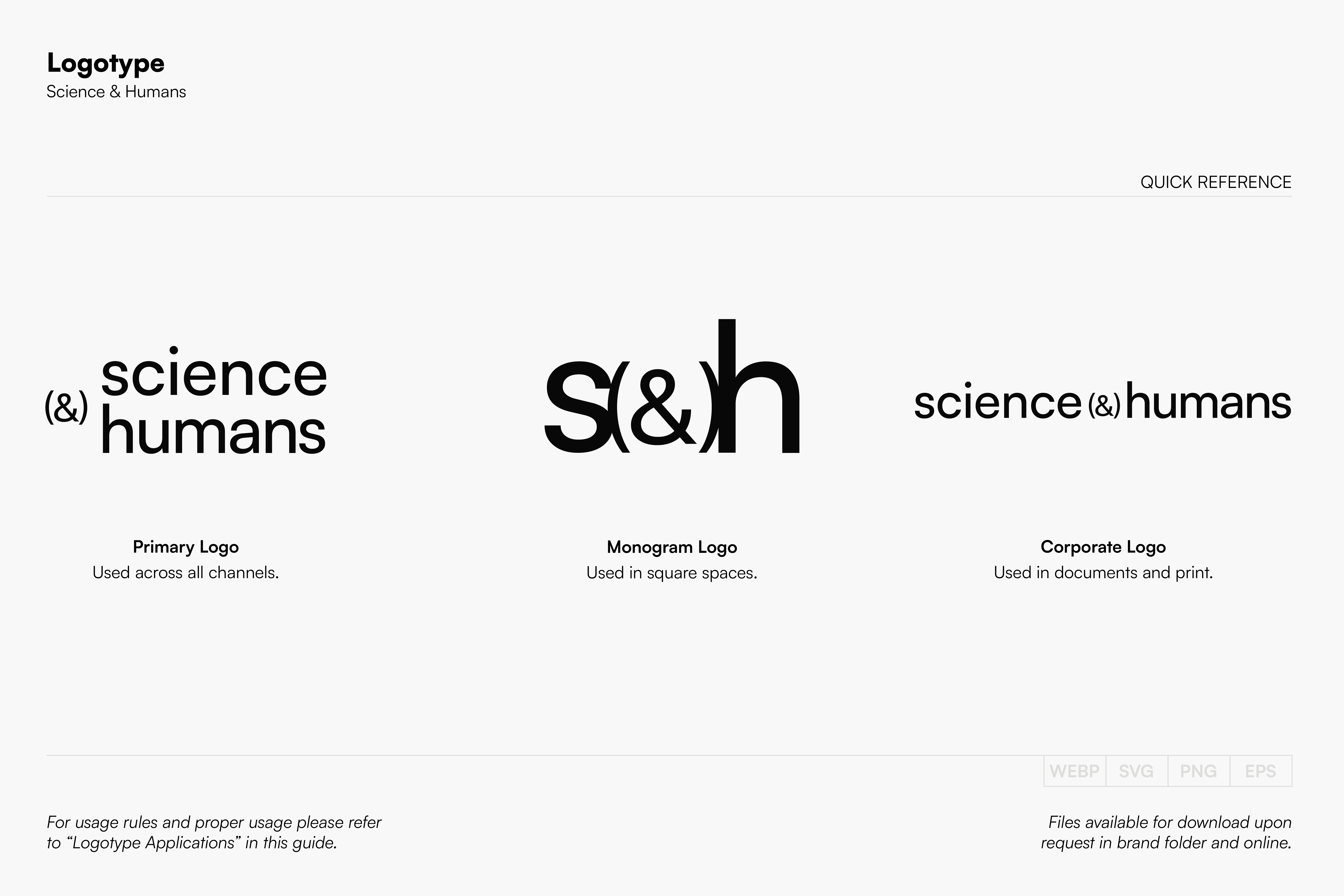
Branding & Identity/ Corporate Assets
The identity system was applied across the full range of corporate touchpoints — communications, internal frameworks, investor-facing materials. Each application was designed to reinforce the same impression: a brand that thinks clearly and operates with discipline. That consistency matters in a category where trust is the primary currency.
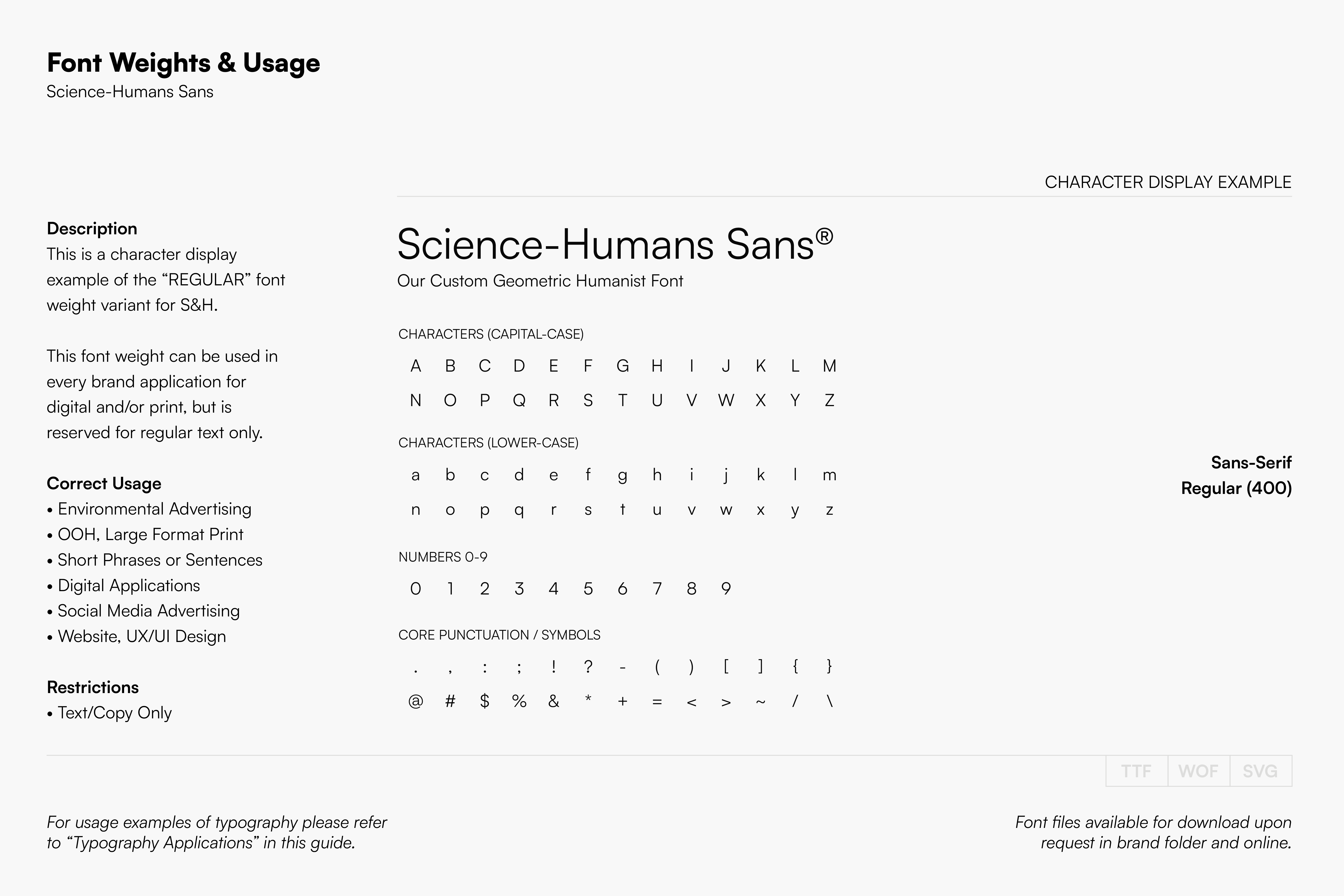
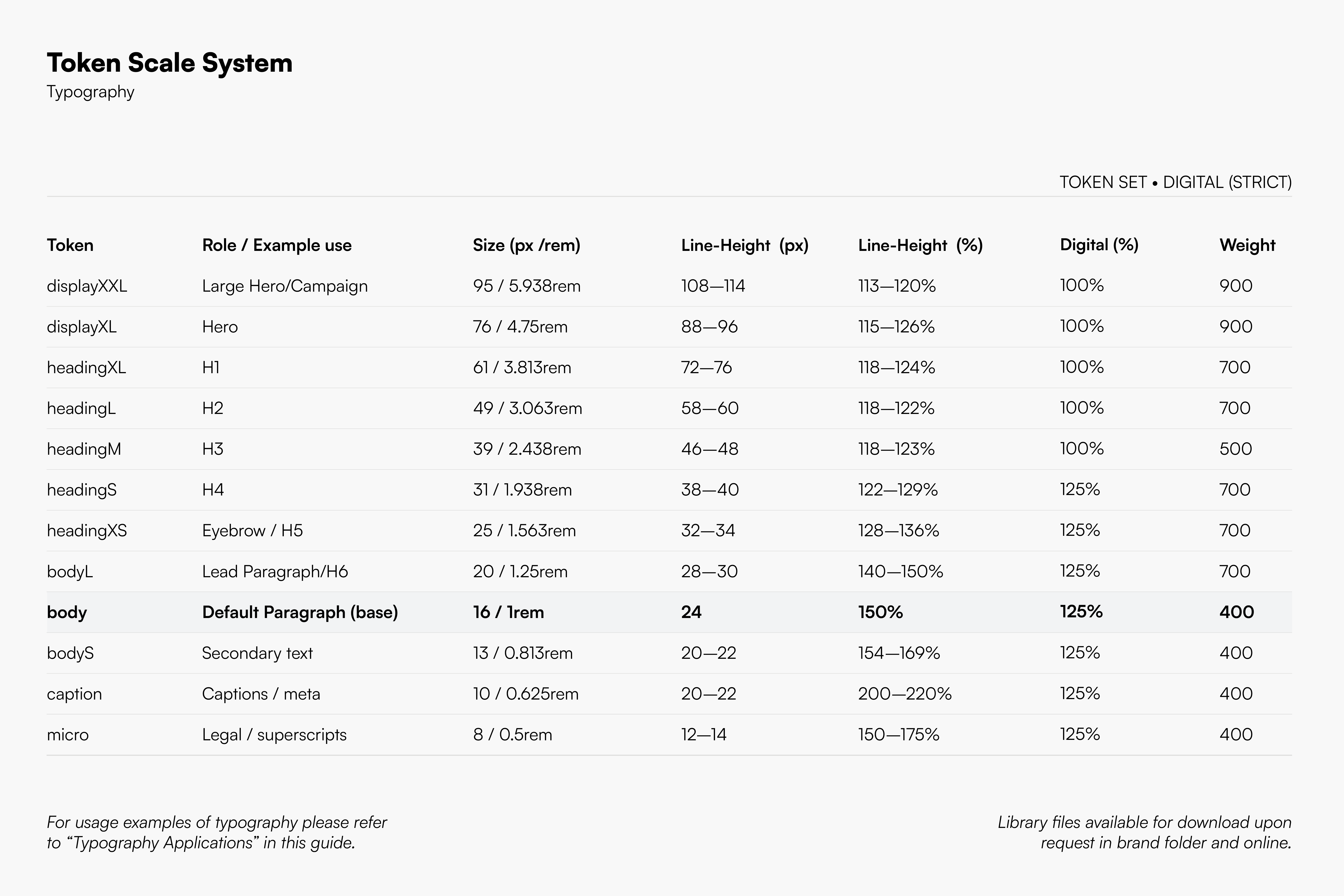
This brand was so important it needed it's own custom font created from sctratch.
03. Building a marketing operating system
This is where the engagement shifted from brand work to organizational infrastructure. The Marketing Operating System (MOS v1.0) is a central, functional document that defines how the entire marketing function works across all marketing departments. It’s not a brand guide, or a strategy deck. It is the underlying operating logic that informs all of them.
Building it required understanding every layer of how the organization produces work — how ideas move from founders to marketing leadership, how creative gets briefed, reviewed, and approved, how assets are governed across channels, how new team members learn the system, and how the brand stays coherent when dozens of people are producing simultaneously.
Here are some excerpts from that live document:
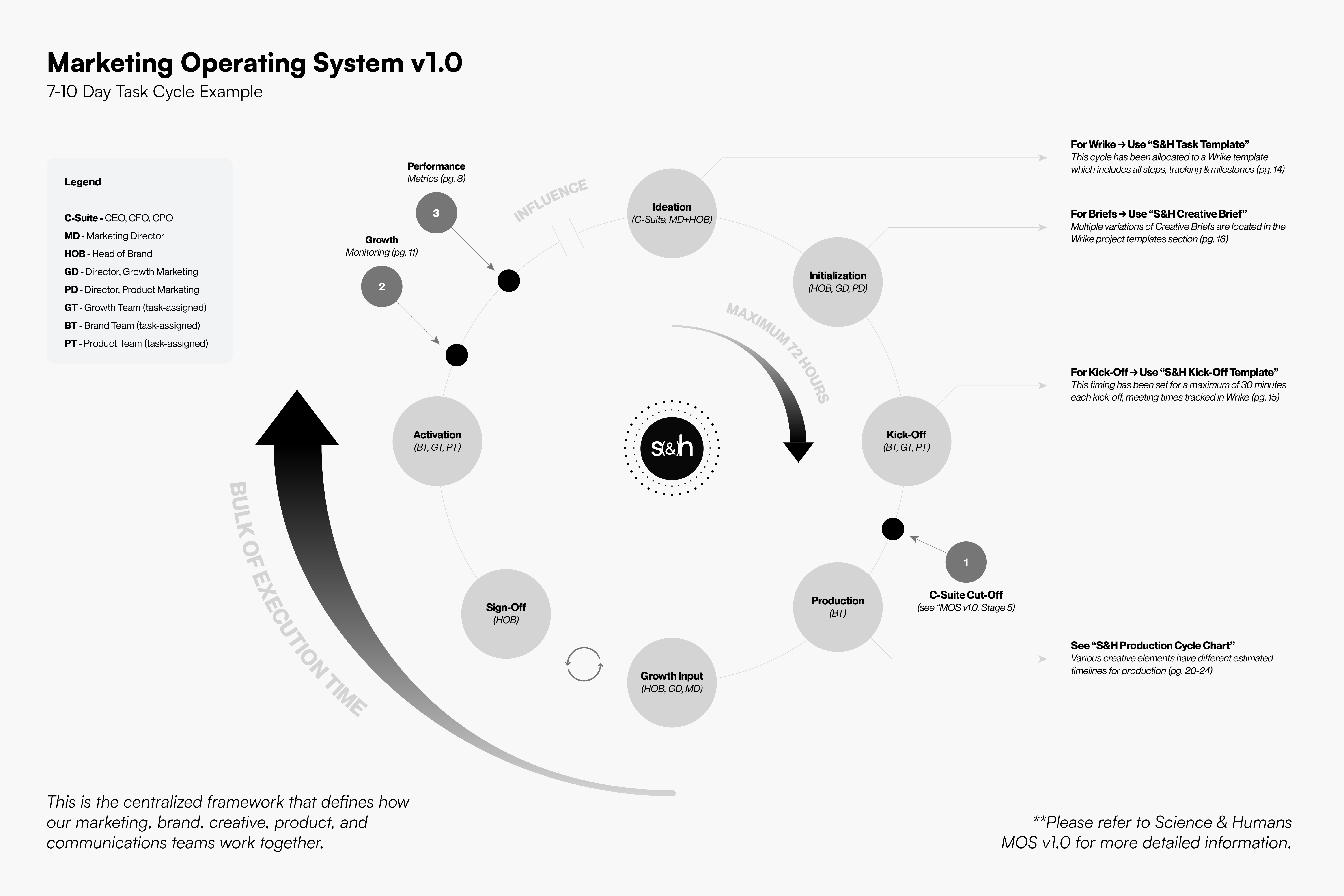
MOS v1.0/ 7-10 Day Task Cycle
The task cycle framework established a predictable operating cadence across the team — from intake to delivery. It reduced the ambiguity that had been creating friction, gave every contributor a clear understanding of their role in the process, and made it possible to run multiple initiatives in parallel without losing coherence.
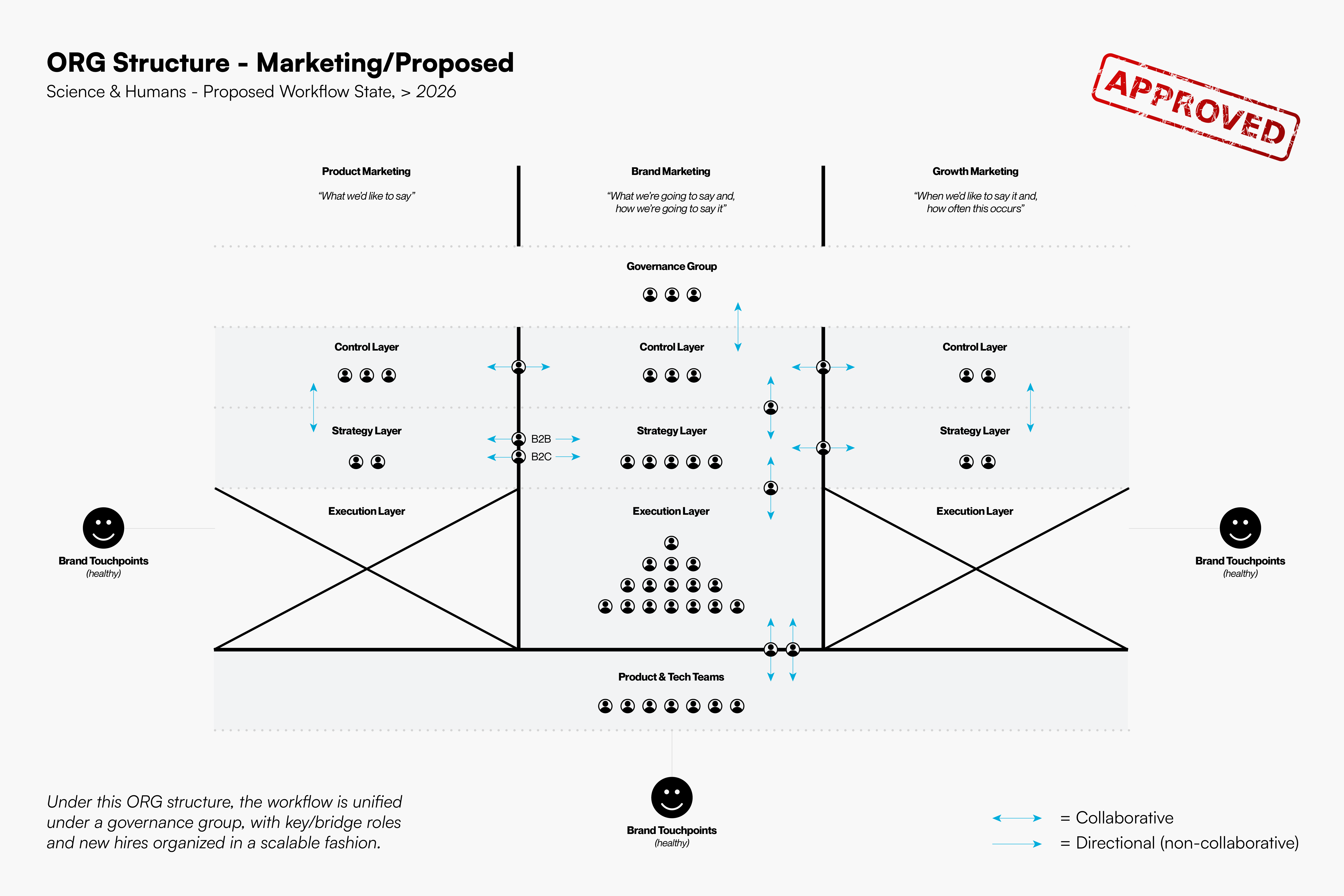
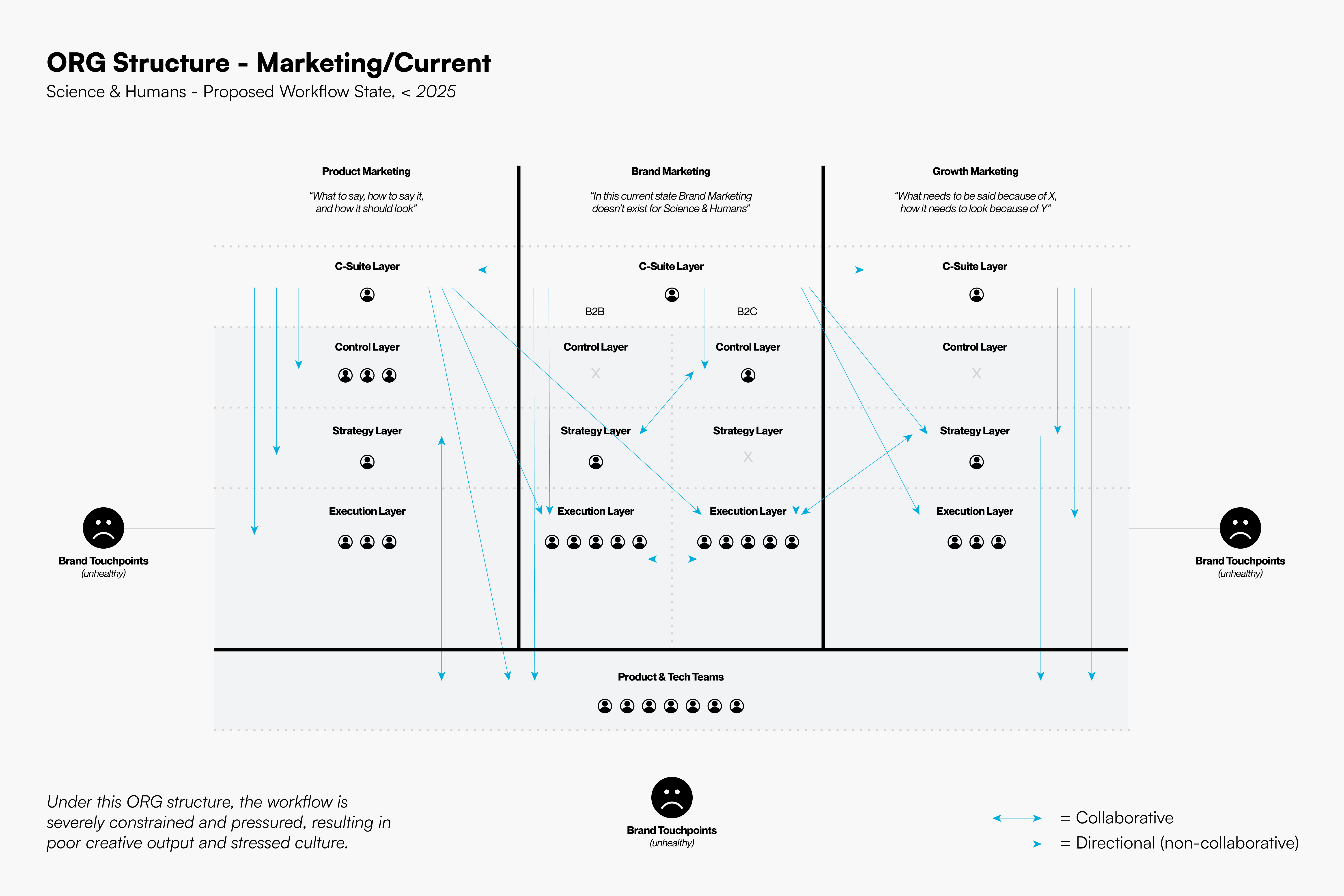
MOS v1.0/ Marketing ORG Structure
One of the structural changes with the most immediate impact was rebuilding the marketing org. The incoming structure lacked clear lanes, and the result was overlap, bottlenecks, and decisions surfacing at the wrong level.
The new org was designed around the MOS — roles defined by function, accountability mapped to each stage of the rollout frameworks, and a clear chain of command that kept creative decisions with creative leadership and strategic decisions with marketing leadership. I hired nine people into the brand team during this engagement and supported four additional growth hires, building the org from a loose collection of contributors into a structured, functional department.
04. Visual language models
The VLM system is the creative governance layer at the center of the MOS. It answers one of the most persistent problems in marketing at scale: how do you maintain consistent brand expression when dozens of people are producing hundreds of assets across five different channels and three compliance requirements?
The answer isn’t more rules.
It’s the right framework.
For Science & Humans, it was five models, each governing a distinct mode of communication:

VLM 1 - Brand Campaigns & Advertisements
High-concept, top-of-funnel brand signal. Cinematic, minimal, emotional. Single human subject. No product imagery, no CTAs. The brand at its most elevated. Lives in OOH, CTV, brand films, and high-impact social.
VLM 2 - Conversational/Human Speak
Always-on communication. Product updates, feature promotions, lifecycle content. Warm, friendly, direct. Product and UI imagery only — no human subjects. CTA required. The voice the brand uses most frequently.
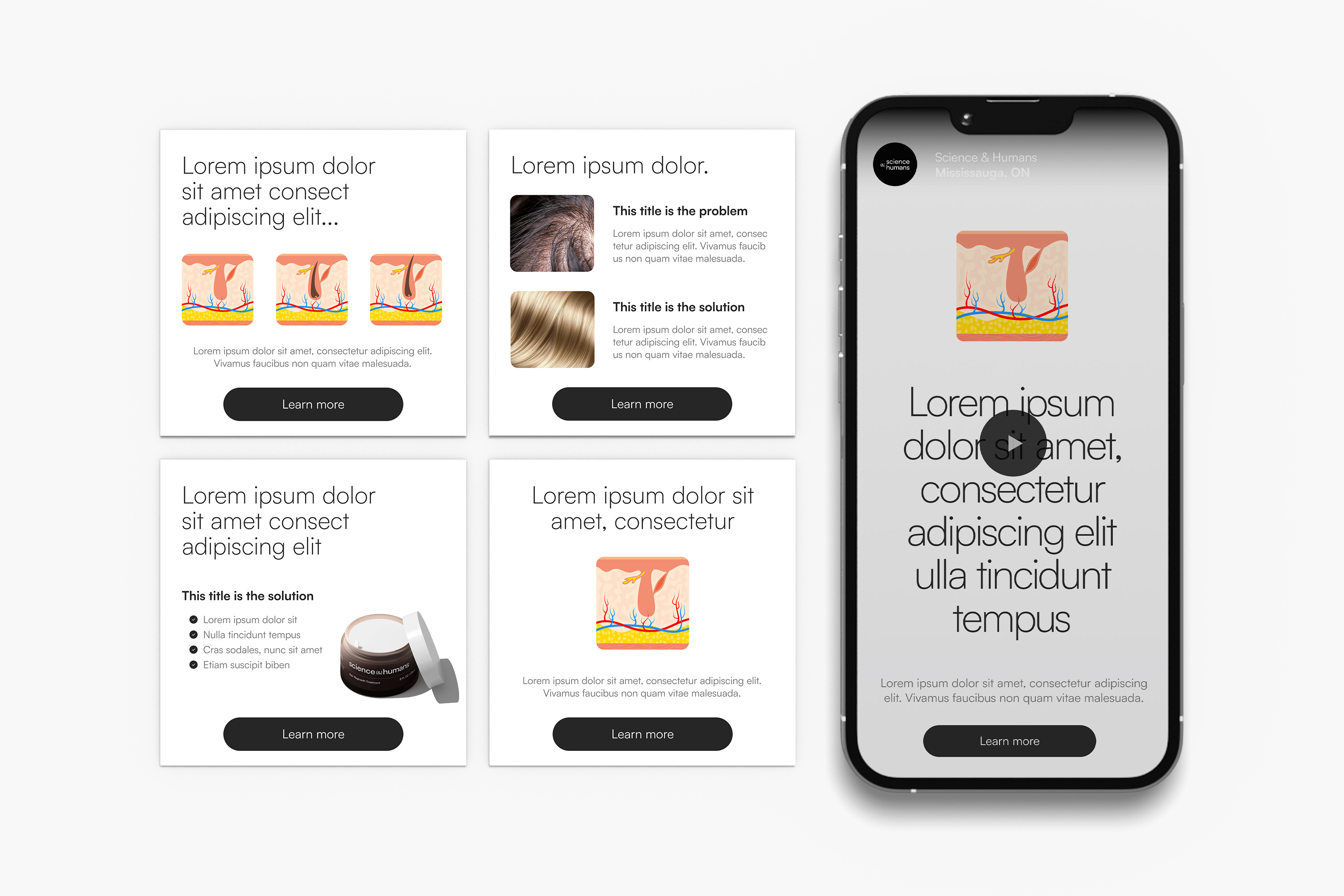
VLM 3 - Treatment Programs & Educational
Funnel-stage content. Problem-to-solution framing, symptom education, program walkthroughs. Supportive and factual. The bridge between awareness and conversion.
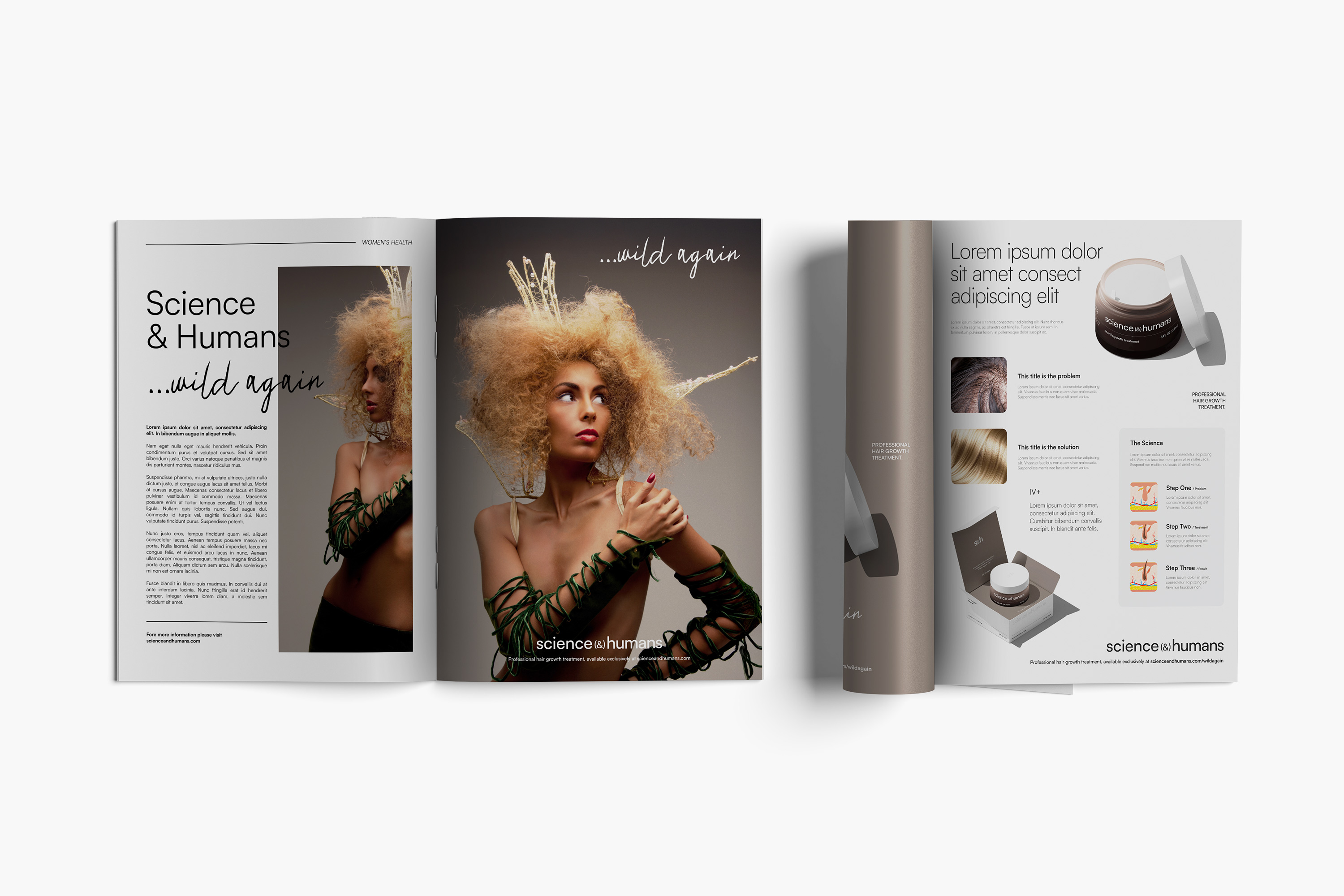
VLM 4 - Corporate, Medical & Scientific
Clinical authority content. Data visualizations, research summaries, whitepapers, provider-facing materials. Precise language, citation-bound, compliance reviewed. No promotional copy.
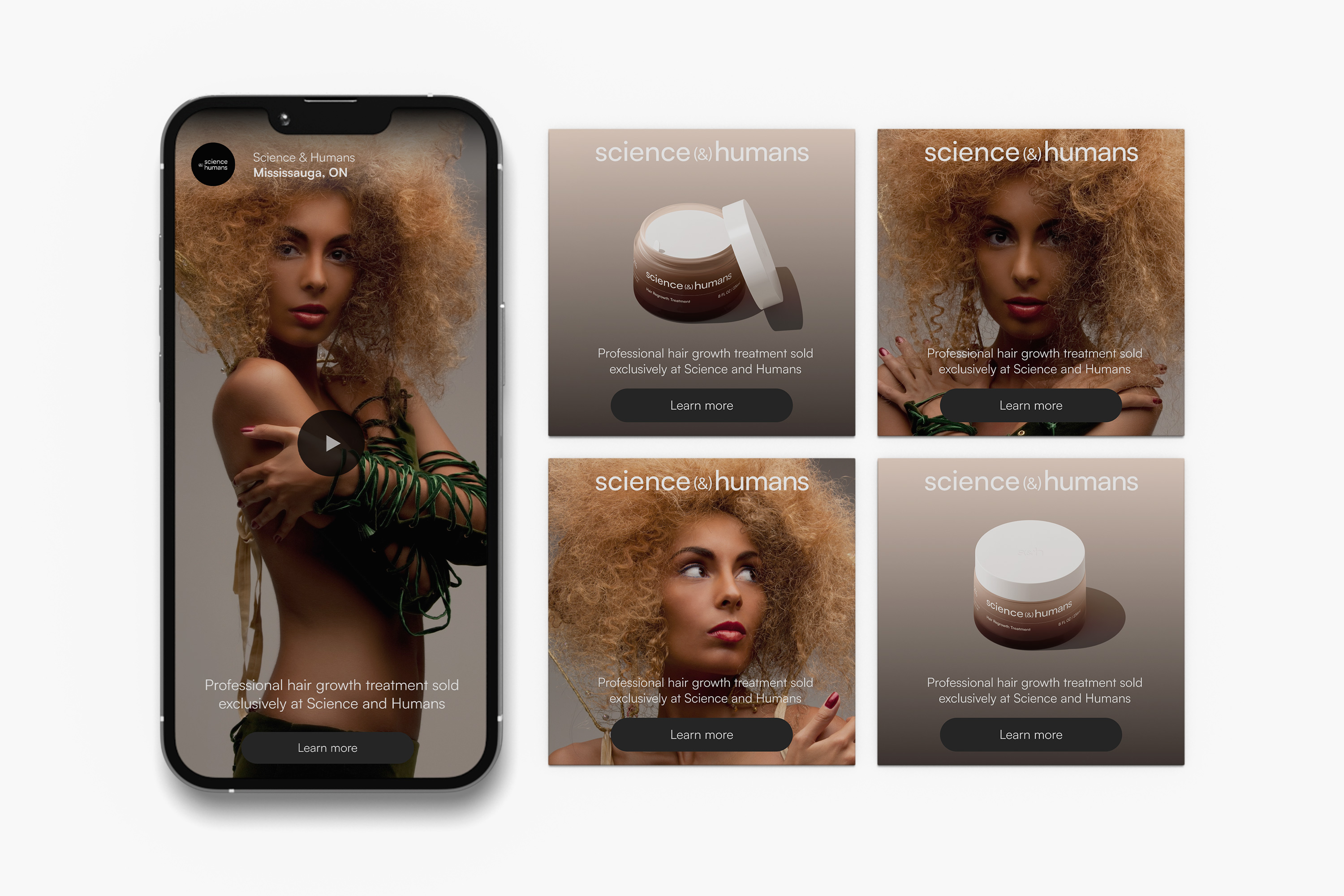
VLM 5 - Events & Special Campaigns
Omni-channel activations, event announcements, launches. Flexible tone and imagery calibrated to audience — B2C leads with energy and warmth, B2B with polish and credibility.
VLMs 1-5/ How it Works
The routing logic is what makes the system functional rather than theoretical. Before any asset enters production, the VLM is identified. That single decision determines tone, imagery rules, CTA requirements, compliance routing, and approval chain.
It eliminates the most common creative failure mode at scale — model mixing — and gives every contributor a shared decision framework rather than a set of taste-based preferences.
05. Product marketing example
The VLM system was designed to be applied, not just documented. These examples were developed as directional references — production-ready demonstrations of how the framework translates into real creative output across every channel.
Each piece was built to show the team not just what the brand should look like, but how the system makes that output repeatable.
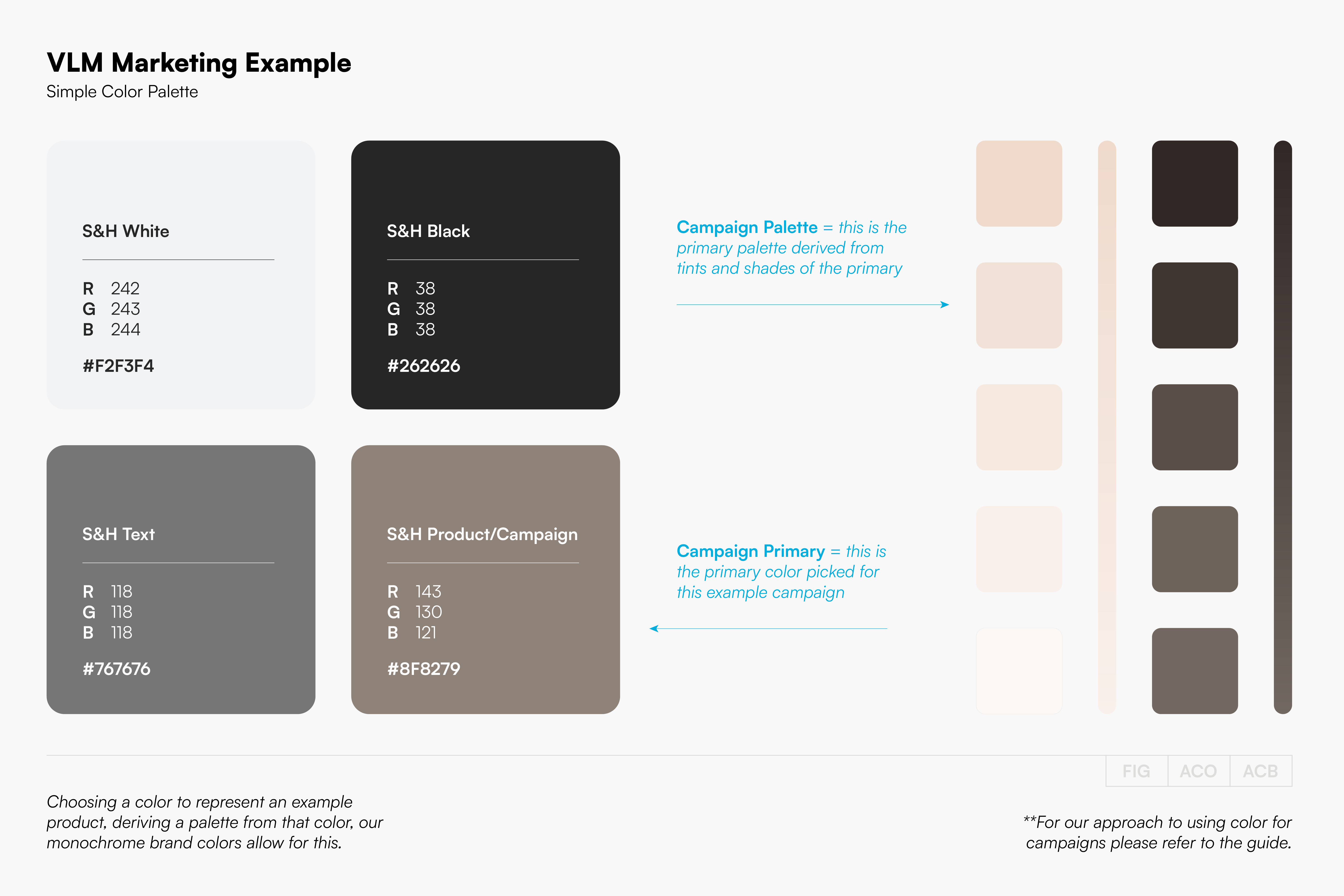
VLM/ Choosing a color palette
Colour decisions at Science & Humans are never decorative. The system establishes a monochrome foundation — black, white, and neutral greys — and introduces colour only when it serves a specific communicative purpose: narrative tone, emotional context, functional hierarchy, or audience signal. These examples show the system in practice: how colour adapts across campaign contexts without the brand losing its center.
VLM/ Creating the CPG
The product packaging applies the same logic as every other brand expression. Structural grid, intentional hierarchy, purpose-driven colour — no aesthetic decisions without a reason behind them. These concepts demonstrate how the identity system would extend into a physical product context.
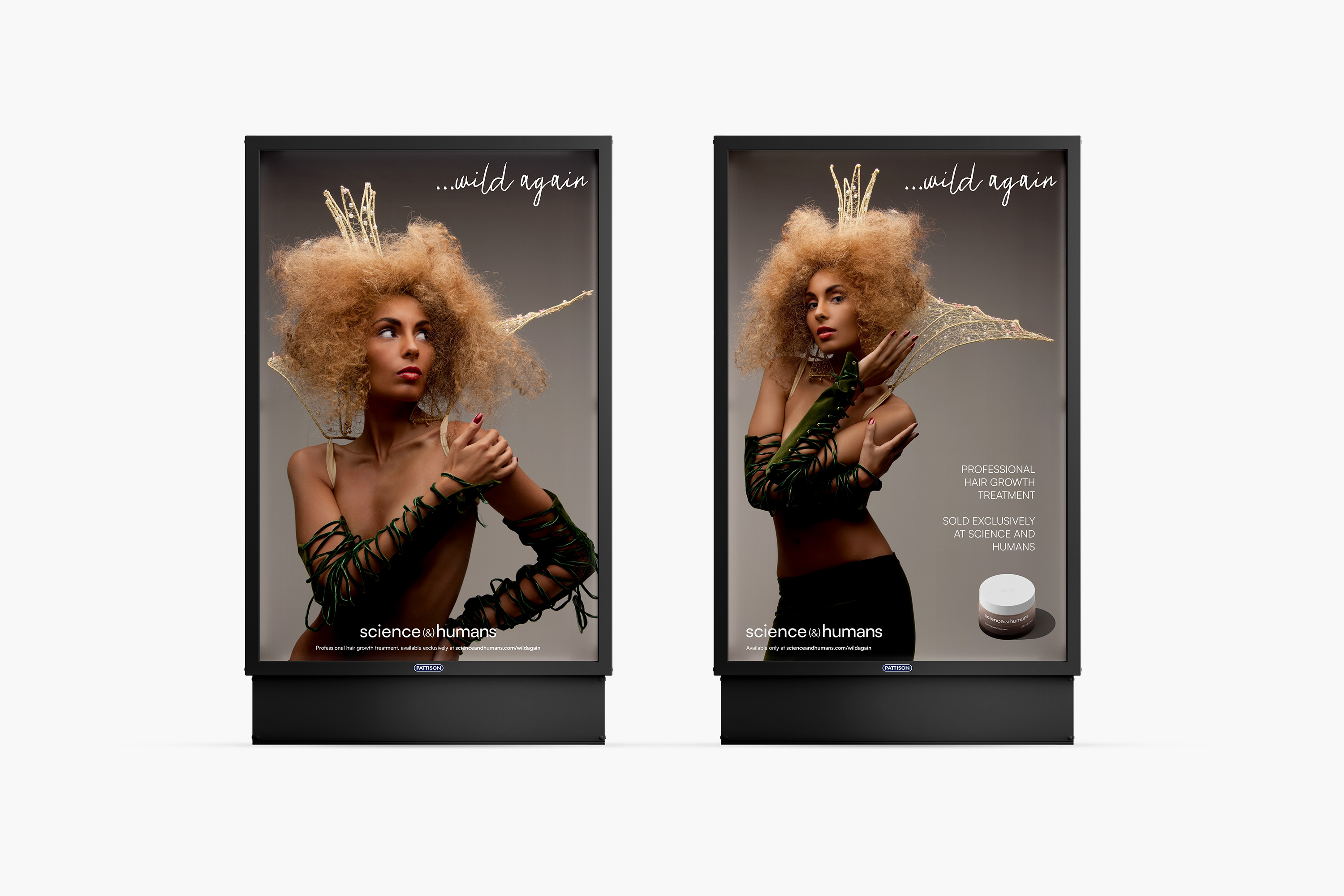
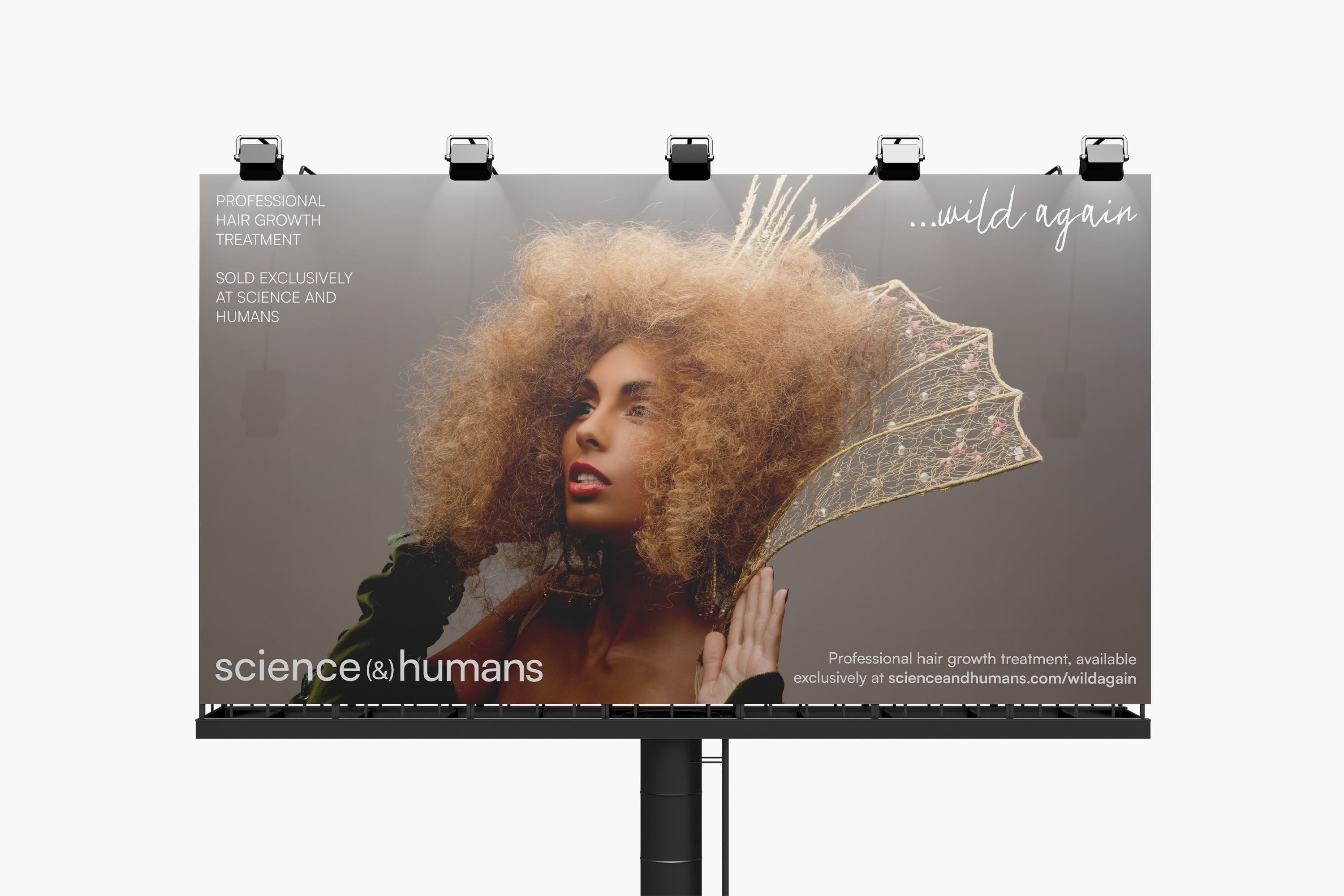
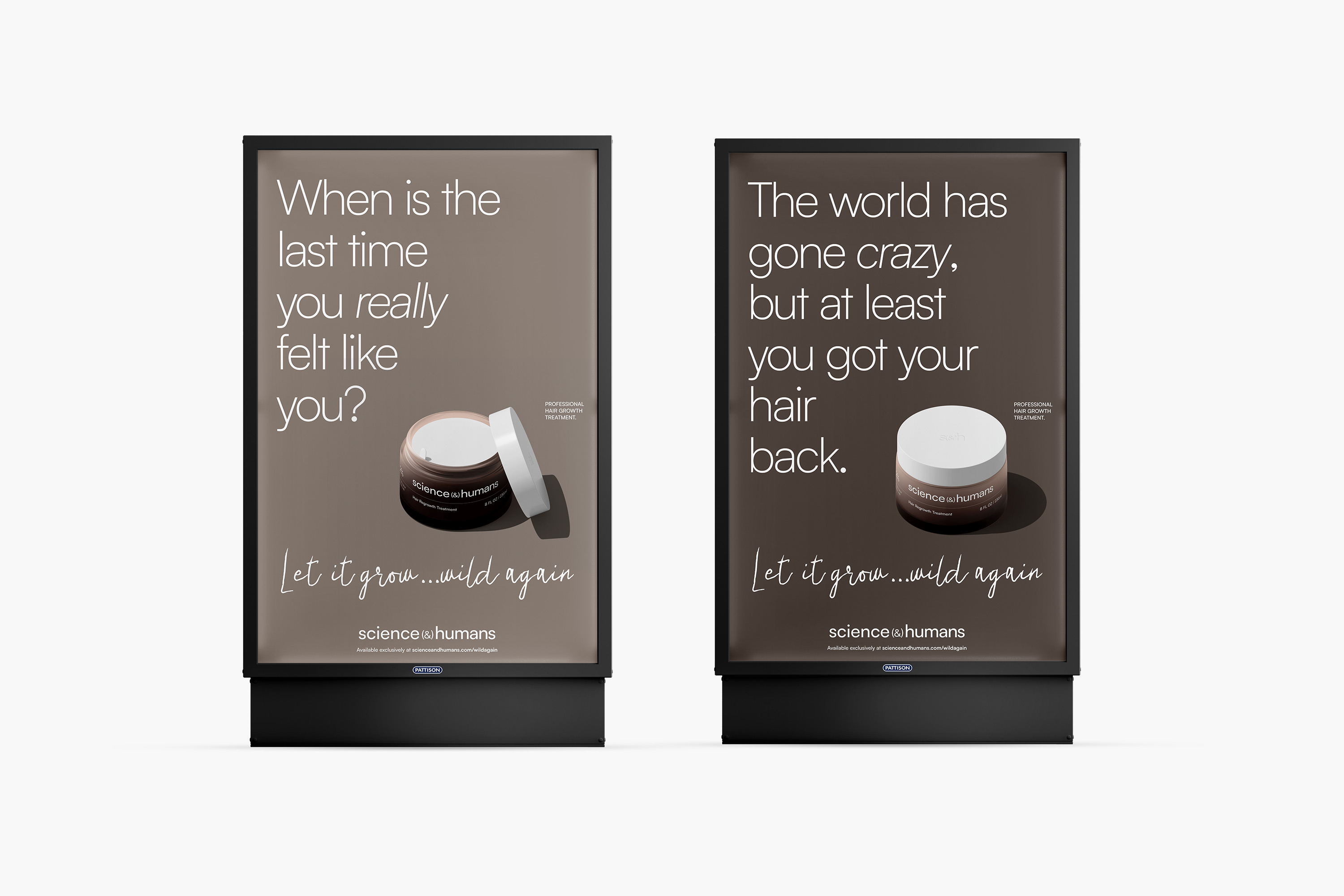
VLM/ OOH & Print
OOH is where brand systems either hold or fall apart. These executions demonstrate the reduction principle at scale: the same disciplined visual language that works at label size translates directly to poster and billboard without modification. No re-art direction needed when the system is built correctly – with style.
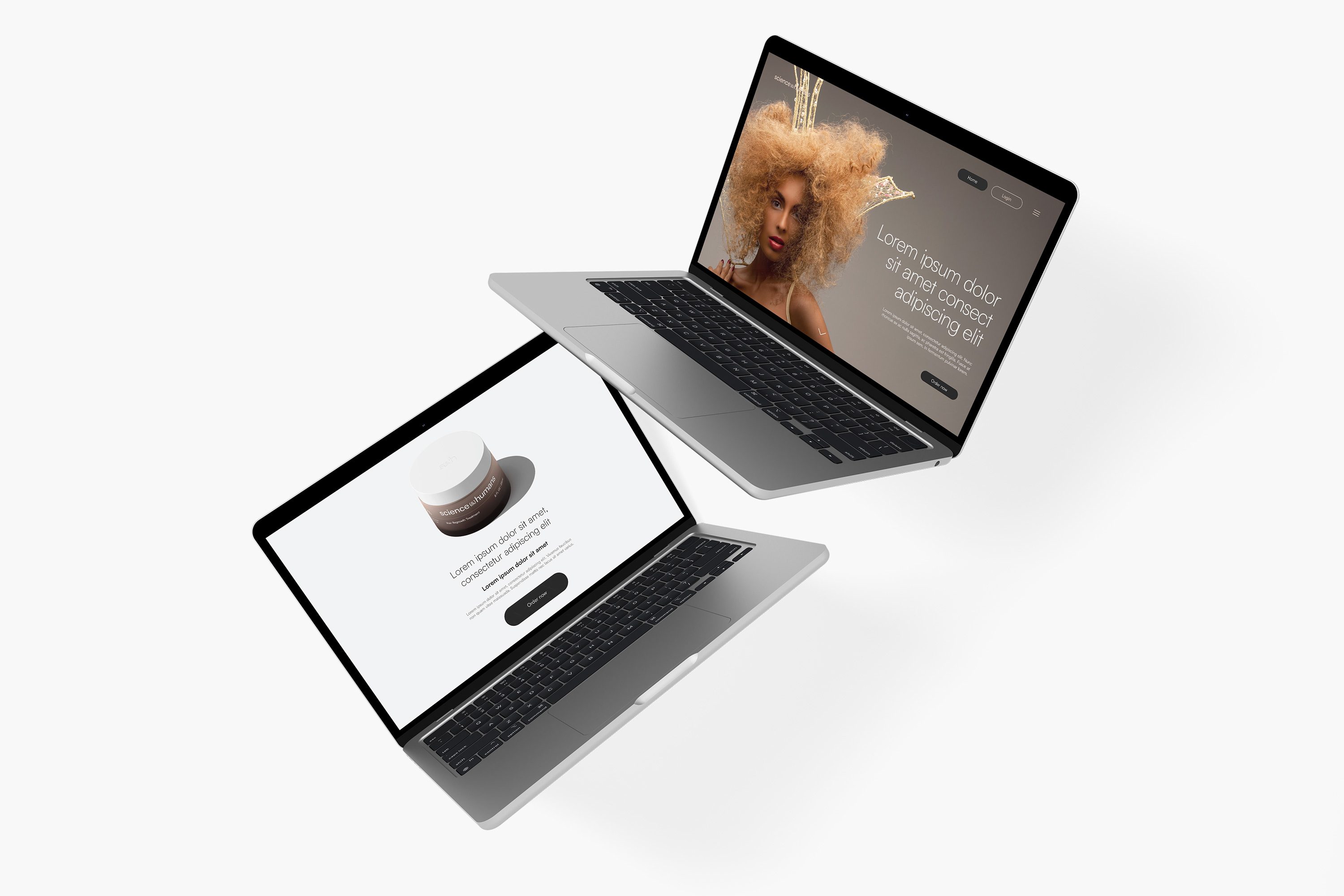
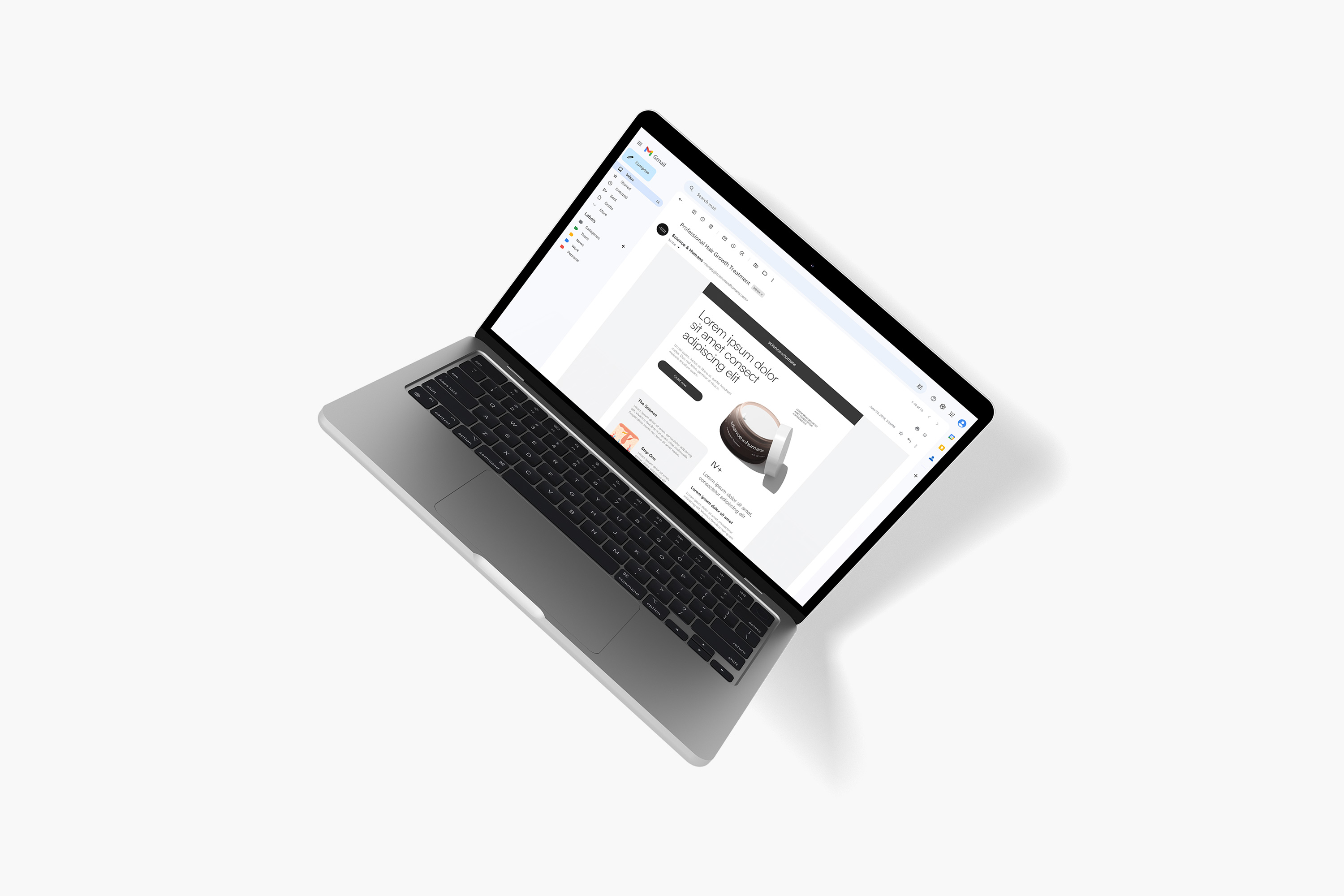
VLM/ Digital & Interactive Layers
EDMs and landing pages represent the system at its most functional — where brand expression and conversion logic have to coexist. These examples show how VLM 2 and VLM 3 operate in digital environments: consistent identity, purpose-driven layout, and creative that serves the funnel without sacrificing the brand.
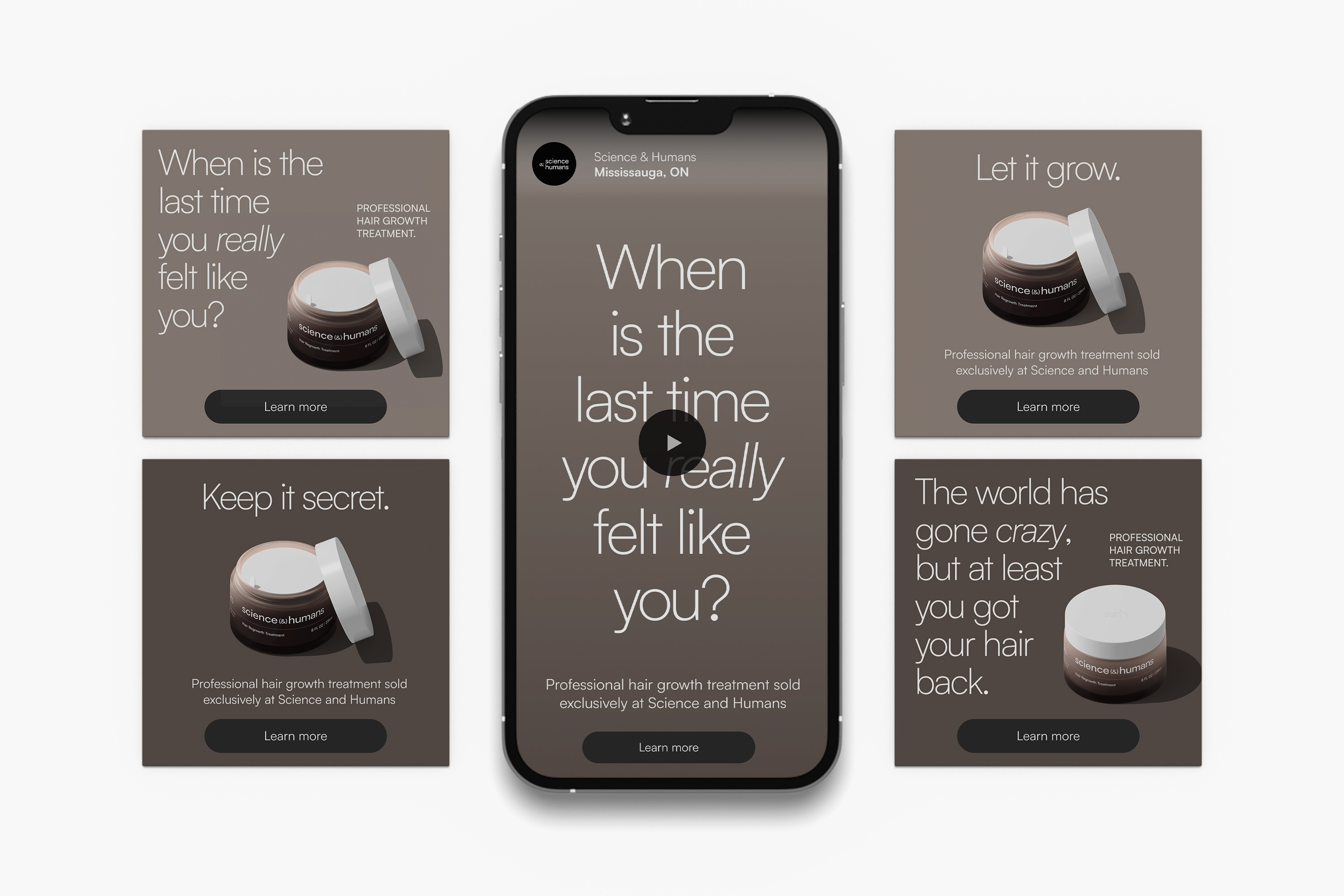
VLM/ Paid Ads & Social
The paid and organic social examples demonstrate the system’s range across content types — brand awareness through to direct response — all operating within the same visual and tonal framework. Different VLMs, same coherent brand.
06. The Result
Six months. One operating system. A 10M funded company.
The measure of this engagement isn’t any single deliverable. It’s whether the organization was more capable at the end of it than it was at the beginning.
The marketing function that existed when I arrived had ambition without infrastructure. What it needed wasn’t a campaign or a rebrand — it needed the underlying system that makes campaigns and rebrands work. That’s what I built.
By the time the engagement closed:
- A complete Marketing Operating System — governance, frameworks, creative standards, compliance routing, and onboarding — built and deployed across a growing team
- A solid 9-person brand department – hired and structured, with defined roles mapped to the MOS, VLM and structured creative workflows
- 4 additional growth hires supported – plus 10 product team expansions managed through the scaled corporate transition
- A $6.5M marketing budget – architected, allocated, and governed across eight strategic categories providing room for scale and creative tinkering
- An investor narrative – strengthened and aligned with the brand system — contributing to an oversubscribed $10M Series A in Q1 2026
- Brand direction produced across every channel – paid, organic, OOH, digital, CPG, and lifecycle — as the operational reference layer for the team
The Series A tells part of the story.
An oversubscribed raise at that scale doesn’t happen on product alone. Investors are funding the organization they can see as much as the product they’re buying. A coherent brand, a structured marketing function, and a clear operational framework are part of that picture.
The work I’m most proud of isn’t visible in any single asset.
It’s in the system that makes all of them possible.
-
Client
Science & Humans
-
Role
Head of Brand Marketing
-
Industry
Health & Wellness
-
Market
Canada
-
Investment
$6.5M Marketing Budget